The 1950 vintage: what the label says
A year on a bottle of armagnac commits the house: the brandy comes entirely from that year's harvest. No younger harvest to round out the taste, no marriage of several lots. It is the opposite of age-statement armagnacs, VSOP, XO or hors d'âge, which are blended from several years to keep a consistent profile.
A 1950 vintage still available is also the result of a choice: the choice not to sell. For more than seven decades, the Cavé family let this lot age separately, when it could have gone to the trade or joined a blend. Only a few bottles remain today.
1950, a year between two eras
On 9 May 1950, Robert Schuman, the French Minister of Foreign Affairs, proposed pooling the coal and steel production of France and Germany: this was the Schuman Declaration, considered the founding text of European integration (source: Wikipedia, article "Déclaration Schuman"). On 16 July, at the Maracanã stadium in Rio de Janeiro, Uruguay beat Brazil and won the FIFA World Cup (source: Wikipedia, article "Coupe du monde de football 1950"). In Gascony, the wine from the autumn harvest was distilled the following winter. We found no source from the houses on the quality of this harvest; we therefore attribute no reputation to it.
The Jean Cavé house's 1950
Our 1950 armagnac is signed Jean Cavé. The history of the house begins in 1883, when a winegrower of that name settled in Lannepax, in the Gers, as a distiller and cellar master, with his wife and two sons. Henri Cavé, the fourth generation, today carries on continuous distillation and watches over a paradis where demijohns dating from 1900 rest.
What we know about this bottle:
- a Bas-Armagnac AOP appellation, for the 1950 harvest alone;
- no blending, according to the house, which draws its vintages from its family collection;
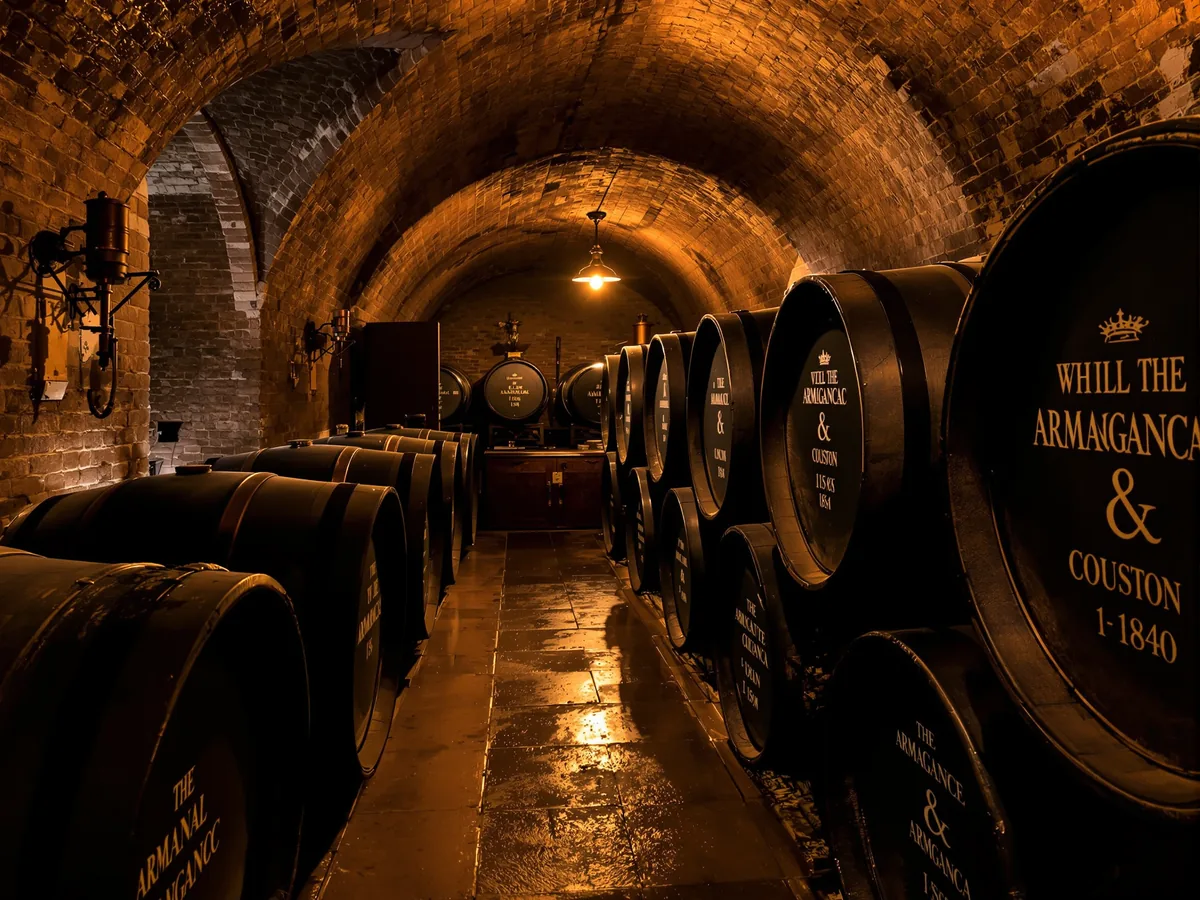
- aged in Gascon oak casks, in the Lannepax cellars;
- bottled brut de fût, with no added water, the exact strength being shown on the label;
- a 70 cl bottle, accompanied by a wooden box.
Brut de fût is not synonymous with single cask: the first term says that the armagnac has not been reduced, the second that it comes from a single cask. Only the first is claimed here.
From Gascon grapes to old armagnac
Armagnac is first of all a wine: a dry, light white made from the appellation's grape varieties, ugni blanc, baco, folle blanche and colombard. For its 1950, the house does not specify the grape varieties, and we do not guess them. This wine is distilled only once, continuously, in the armagnac still, whereas cognac goes twice through its pot still. The colourless distillate then goes into cask. Over the years in wood, the oak gives it its colour, its tannins and its bouquet, while the alcohol gently evaporates: this is the angels' share. Once bottled, armagnac no longer ages.
Three terroirs make up the appellation: Bas-Armagnac, Ténarèze and Haut-Armagnac. Lannepax lies in Bas-Armagnac, whose tawny sands are reputed to give fine and fruity brandies.
Tasting a 76 year old armagnac
The house does not publish a tasting note specific to the 1950. It does, however, describe its old vintages as having a mahogany hue and woody, vanilla and cocoa notes. Beyond that, armagnacs of this age often bring to mind prune, dried fruit, walnut, leather or sweet spices, sometimes with that note of rancio that only long ageing brings.
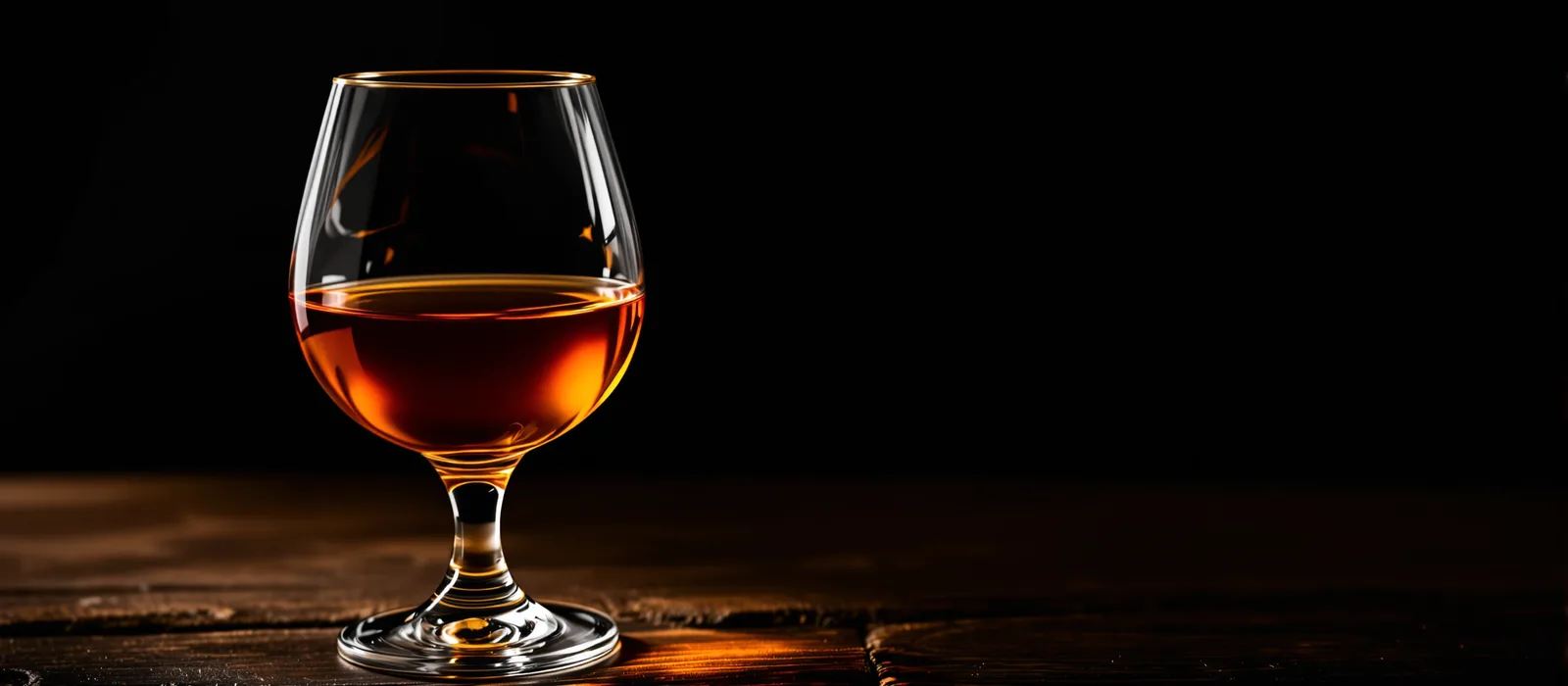
- a tulip glass, to concentrate the aromas;
- a small measure, served at room temperature;
- a few minutes of waiting before tasting;
- small sips, as a digestif, without water or ice.
Giving a 1950 armagnac
In 2026, people born in 1950 celebrate their 76th birthday. A brandy from their birth year has been ageing all that time, and its wooden box makes it a ready-to-give present. For collectors, the 1950 fits between the 1949 armagnac and the 1951 armagnac.
Keep the bottle upright, away from light and temperature variations, so that the alcohol does not touch the cork. Unopened, it keeps for decades; once opened, it stays at its best for several months.
Other houses, other years
For more recent years, our shop also brings together the vintages of several estates and châteaux of the South West: Château de Laubade in Sorbets, Château de Millet near Eauze, Dartigalongue in Nogaro, Armagnac Delord, the Cavés' neighbour in Lannepax, Castarède, Baron de Sigognac at Château de Bordeneuve, or Domaine de Pellehaut in Ténarèze. Each house has its own way: a younger Laubade, Millet or Pellehaut armagnac, tasted after this 1950, lets you measure what several decades in cask change in the glass.
For producers who work with folle blanche, such as Castarède or Pellehaut, the base wine brings more floral notes; at Delord or Dartigalongue, other grape varieties and other cellars give other balances. This is the whole richness of armagnac compared with cognac: an appellation of winegrowers, family houses and châteaux, where each wine and each date tells a different story.
Frequently asked questions about 1950 armagnac
How much does a 1950 armagnac cost?
It reflects the age and rarity of the lot. The product page shows the price, the bottle size and the house.
Where can I buy a 1950 armagnac?
At Plaisirs de Gascogne, an online shop devoted to selling vintage armagnacs, from the youngest to the oldest: secure payment, shipping in a carefully packed parcel, delivery in France and across Europe, and a customer service team to advise you before you order. Each product is presented with its house, its appellation and its bottle size.
What is the difference between a 1950 armagnac and a VSOP?
A VSOP is a blend of brandies from several years, the youngest of which has spent at least four years in cask. The 1950 is a vintage armagnac: a single harvest, kept for more than seven decades in the same cellar. The date on the label tells you everything about its age.
What are the characteristics of the 1950 armagnac?
A Bas-Armagnac AOP from a single harvest, without blending, bottled brut de fût, in 70 cl with a wooden box.
Who are the producers of 1950 armagnac?
In our selection, one house: Jean Cavé, in Lannepax, in the Gers.
Find all our vintage armagnacs, year by year.
Please enjoy responsibly. Excessive alcohol consumption is harmful to health.