1900 armagnac, a collector's vintage
Armagnac is a brandy made from white wine, a cousin of cognac, and a vintage armagnac contains only one harvest. For a 1900, this means that every drop in the bottle comes from that year's harvest, without ever having been mixed with others. It is the opposite of a VSOP, an XO or a hors d'âge, which blend several ages to maintain a consistent style.
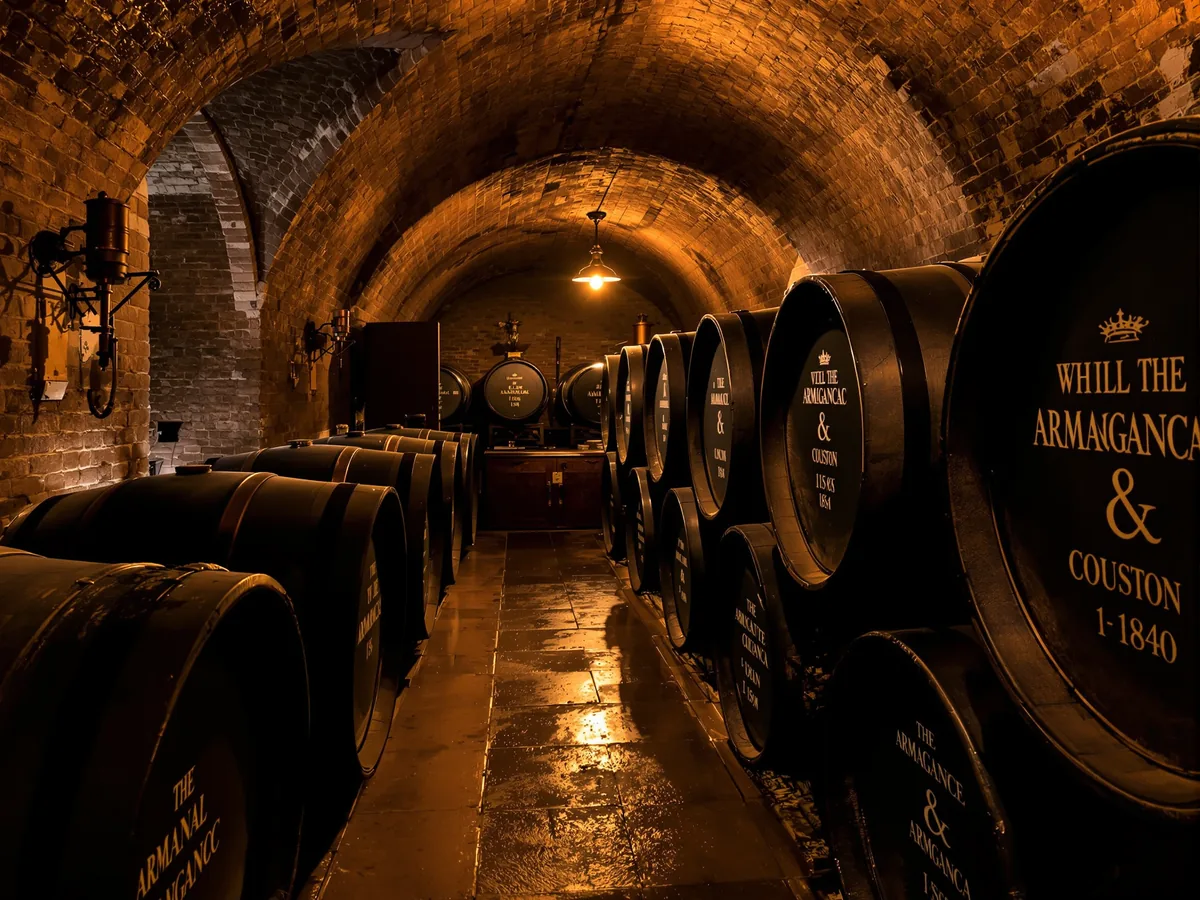
That such a vintage is still on sale is a matter of perseverance. Generations of cellar masters had to resist the temptation to sell or blend it, cask after cask, then demijohn after demijohn. Our two 1900 bottles are the fruit of this long keeping.
1900 in France: the Exposition and the métro
In Paris, the Exposition Universelle opened on 14 April 1900 and closed on 12 November, after 212 days; the same year, on 19 July, the first line of the Paris métro was inaugurated (source: Wikipedia, article "Exposition universelle de 1900"). In the vineyards, it was a difficult period for Gascony: according to Wikipedia (article "Armagnac (eau-de-vie)"), phylloxera reached the Gers from 1893 onwards. No producer source describes the 1900 harvest itself, and we do not characterise it.
Two houses, two 1900 armagnacs
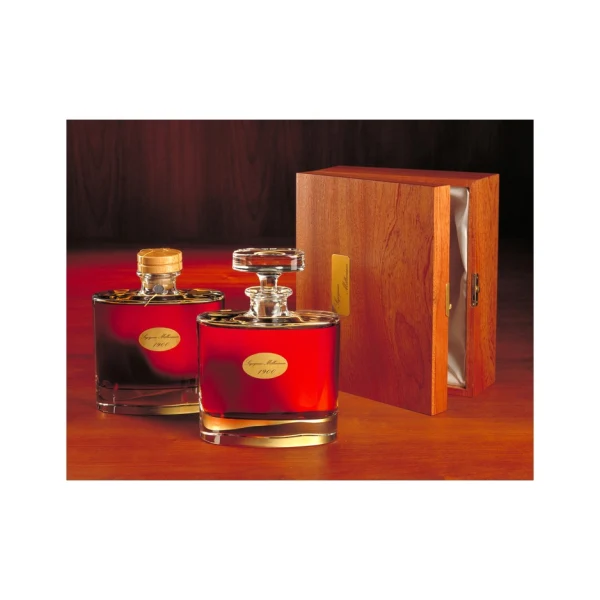
The two bottles on this page are Bas-Armagnacs in 70 cl bottles, with a wooden case. They are not alike for all that:
- Baron de Sigognac: a 1900 at 40% ABV, made from ugni blanc and baco. It is kept at Château de Bordeneuve, in Castelnau d'Auzan, where each year ages separately and where the estate keeps vintages dating back to 1893. The house describes it as having an amber colour with mahogany highlights and a fine nose, open on dried and candied fruit, with notes of vanilla;
- Jean Cavé: a 1900 brut de fût, drawn from the collection of this house, based in Lannepax since 1883. In its "paradis", the part of the cellar reserved for treasures, the family keeps demijohns that date precisely from 1900. The label bears the words Bas-Armagnac AOP; the brandy has never been blended and was bottled at its natural strength, with no added water.
Two approaches, then: an armagnac at 40% ABV, more supple, and a brut de fût armagnac, for those who want to taste the spirit just as it comes out of its vessel.
From Gascon vine to oak cask
The Armagnac AOC is divided between three terroirs: Bas-Armagnac, Ténarèze and Haut-Armagnac, each with its own AOC. Our two 1900s come from Bas-Armagnac, the land of tawny sands. The grape varieties of the appellation are mainly ugni blanc, baco, folle blanche and colombard. The wine, a dry, lively white, low in alcohol, is distilled continuously in the armagnac still, in a single pass, whereas cognac goes through the still twice. The distillate then ages in oak casks and, for the oldest vintages, is often transferred to glass demijohns: there it stops evolving and keeps intact.
Good to know: an armagnac no longer ages in the bottle. When the bottling date appears on the label, it tells you how long this 1900 spent in wood.
Tasting an armagnac more than 120 years old
At this age, it is less about power than depth. Very old armagnacs often reveal aromas of dried fruit, prune, waxed wood, spices and rancio, with a finish that seems never to end. For the bottle kept at Bordeneuve, follow the house's notes: candied fruit and vanilla. For the Jean Cavé, which does not publish a note specific to this vintage, let the glass speak for itself.
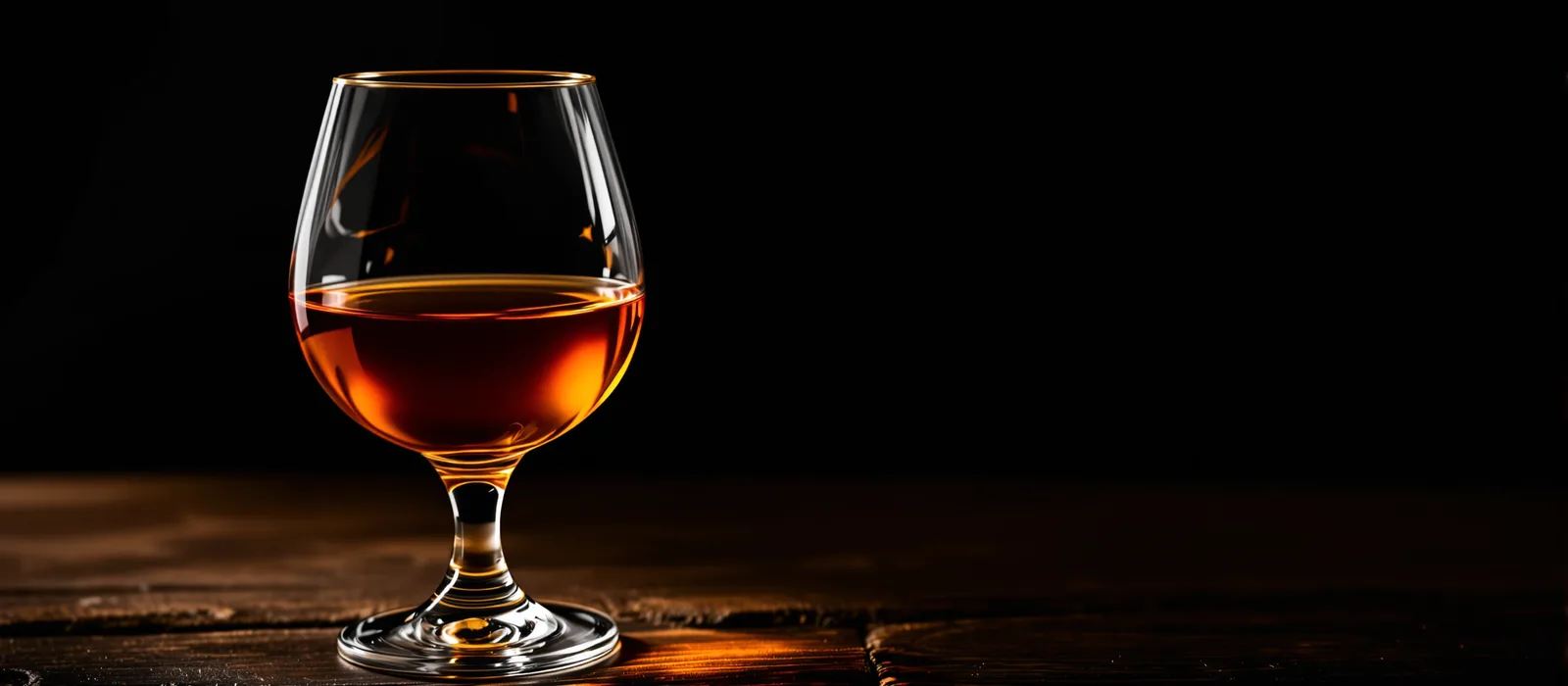
Our advice: a tulip glass, a very small measure, room temperature. Wait a good ten minutes, then taste as the aromas open up. An armagnac like this is best savoured on its own, well away from an overly rich meal.
Giving or handing down a 1900 armagnac
A 1900 armagnac no longer celebrates a birth date: it marks an exceptional event, a retirement, the arrival of a legendary bottle in a cellar, a handing down between generations. To keep it, store it upright, in the dark and somewhere cool; unopened, it will cross the years without losing its qualities.
Exploring further in our cellar
A lover of very old vintages? Also discover our 1888 armagnac, older still, or the 1918 armagnac, the year of the Armistice. For more recent harvests, our shop brings together the vintages of other Gascon houses: Château de Laubade, in Sorbets; Dartigalongue, in Nogaro; Château de Millet, the Dèche family's estate in Eauze; Domaine de Pellehaut, in Ténarèze, which works notably with folle blanche; or Armagnac Delord, in Lannepax, and Armagnac Castarède, a house founded in 1832. Each has its own way of ageing its brandies. Every château, every cellar gives its distilled wine its own signature, and that is the whole point of comparing brandies from the same appellation.
Frequently asked questions about 1900 armagnac
How much does a 1900 armagnac cost?
It depends on the house and the bottling method. Each product page shows the price and the bottle size.
Where can I buy 1900 armagnac?
At Plaisirs de Gascogne, an online shop specialising in vintage armagnac. You can order with complete peace of mind; the bottles come directly from the houses, and delivery is handled with care, in France and across Europe.
What are the characteristics of the 1900 armagnac?
Two Bas-Armagnacs from a single harvest, in 70 cl with a wooden case: Baron de Sigognac at 40% ABV, from ugni blanc and baco, and Jean Cavé brut de fût, unblended.
Who are the producers of 1900 armagnac?
With us, Baron de Sigognac and Jean Cavé. For more recent years, turn to Château de Laubade, Dartigalongue, Château de Millet or Domaine de Pellehaut.
How do I order a 1900 armagnac?
Add the bottle to your basket from its product page, then pay for your order by secure payment. Each bottle travels in packaging suited to fine spirits.
What is the history of the 1900 armagnac?
It is the story of a harvest kept for more than a century by Gascon families, until it was bottled.
Discover all our vintage armagnacs, year by year.
Please enjoy responsibly. Excessive alcohol consumption is harmful to health.



 Jean Cavé
113 bottles
 Armagnac Delord
92 bottles
 Baron de Sigognac
90 bottles
 Château de Millet
83 bottles
 Sempé
82 bottles
 Dartigalongue
77 bottles
 Marcel Trépout
72 bottles
 Clés des Ducs
67 bottles
 Château de Monluc
64 bottles
 Armagnac Castarède
63 bottles
 Château de Laubade
42 bottles
 Château de Bordeneuve
32 bottles