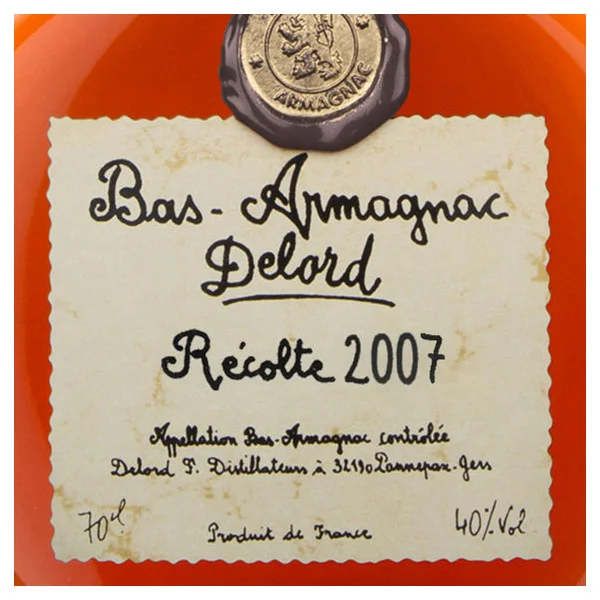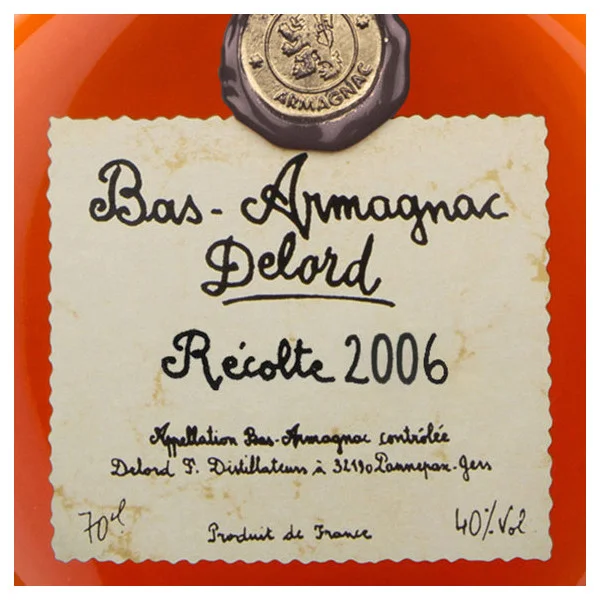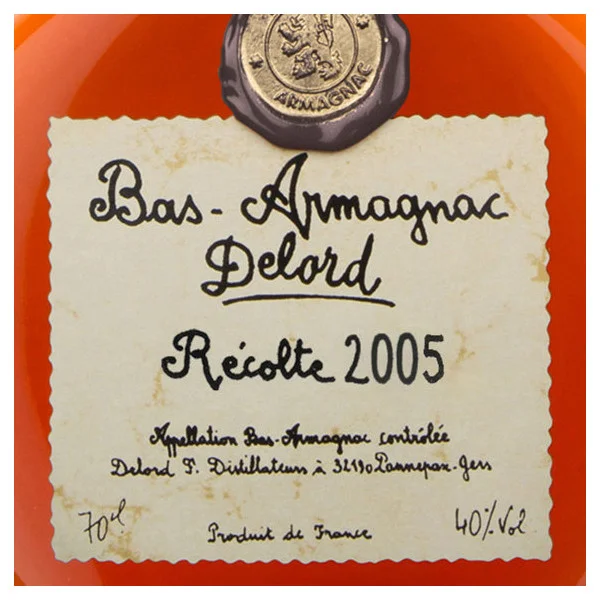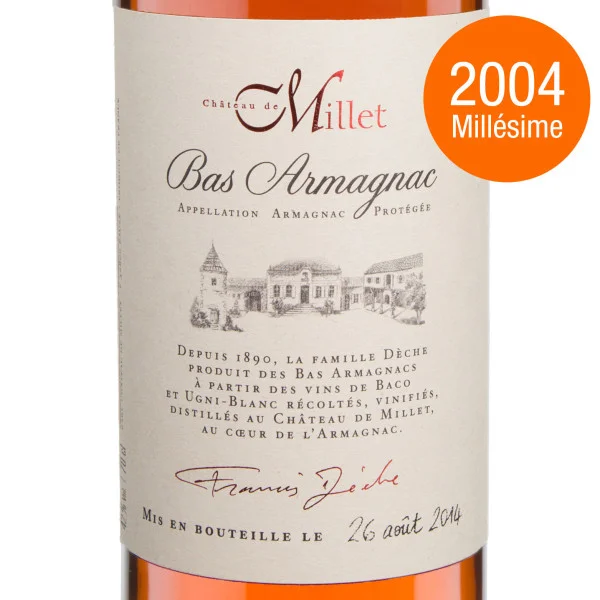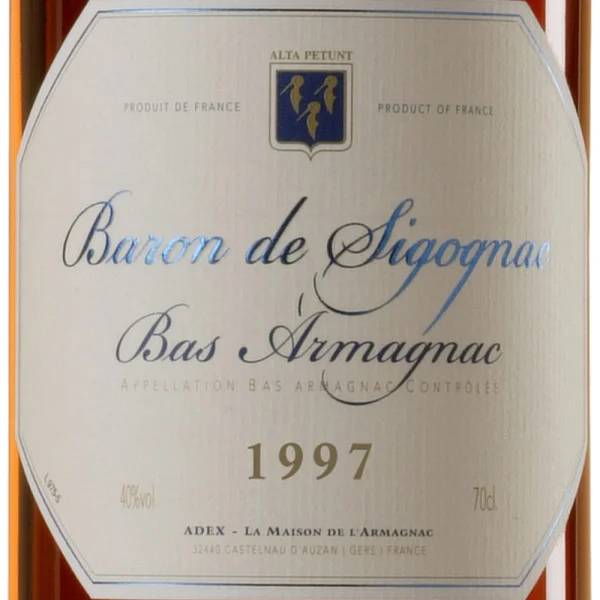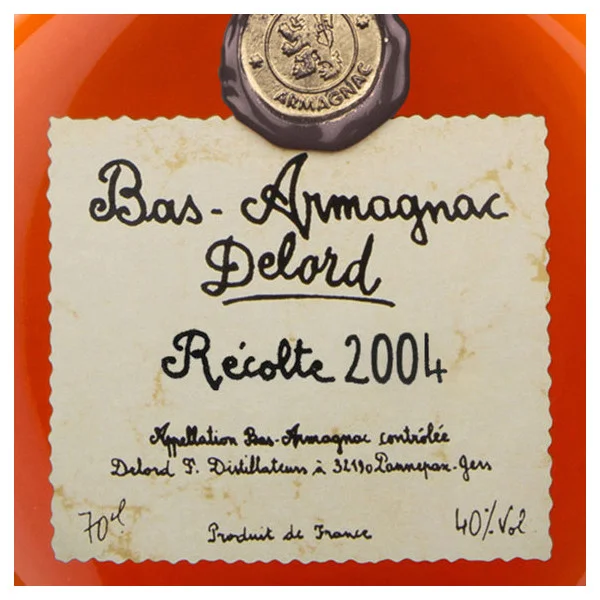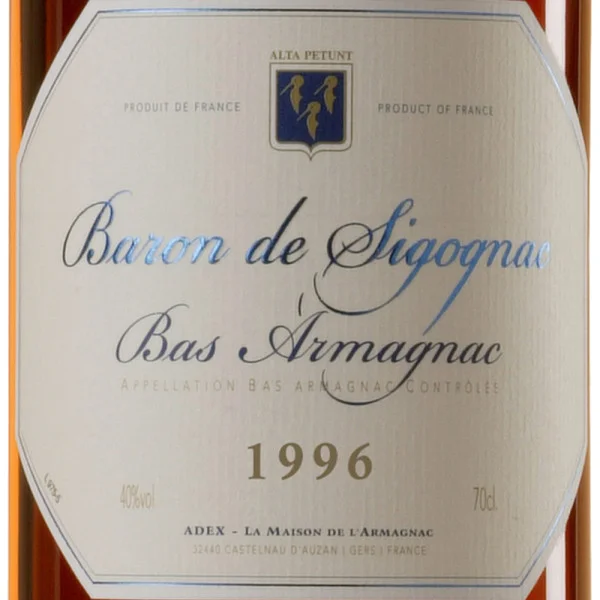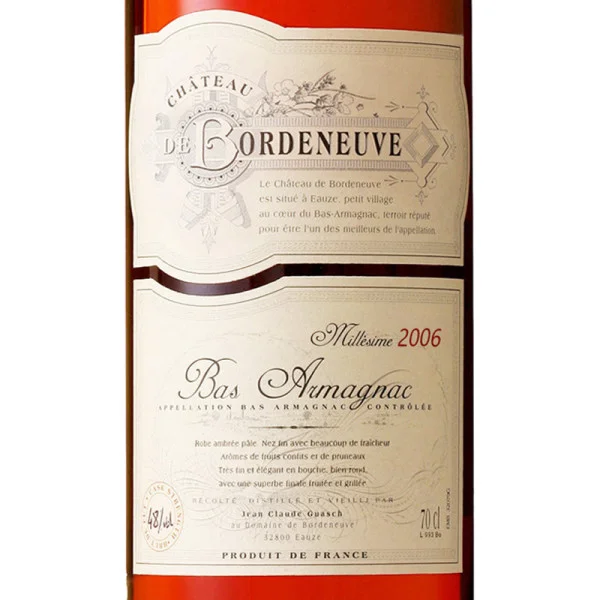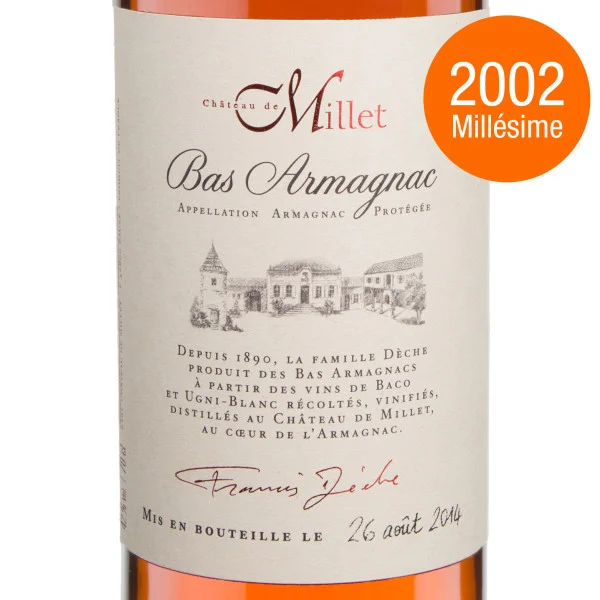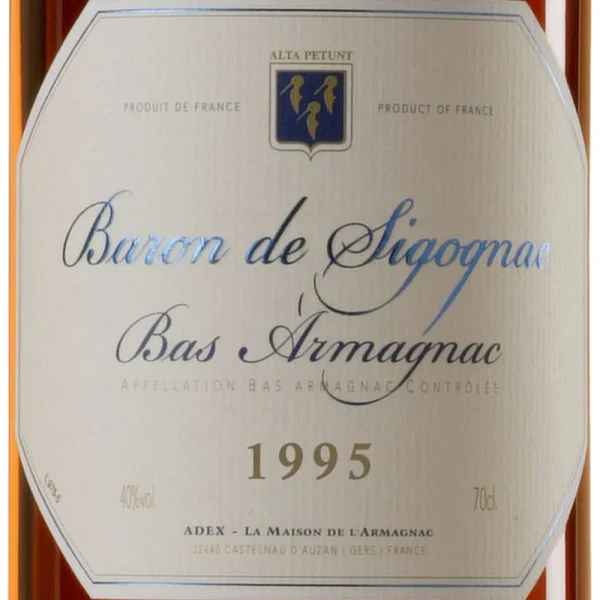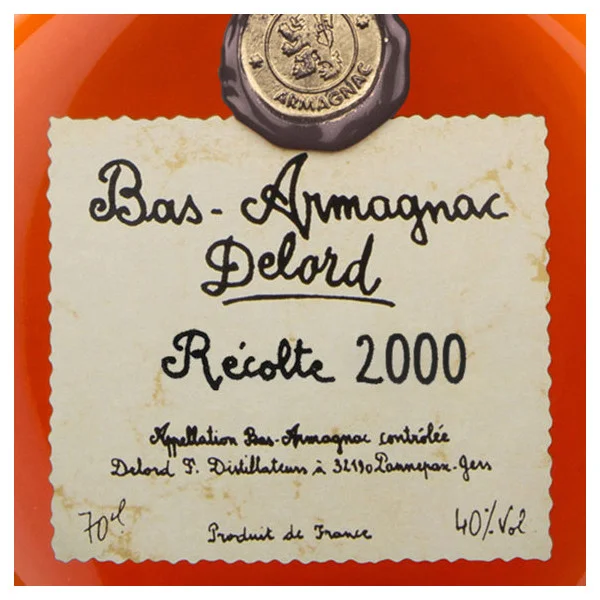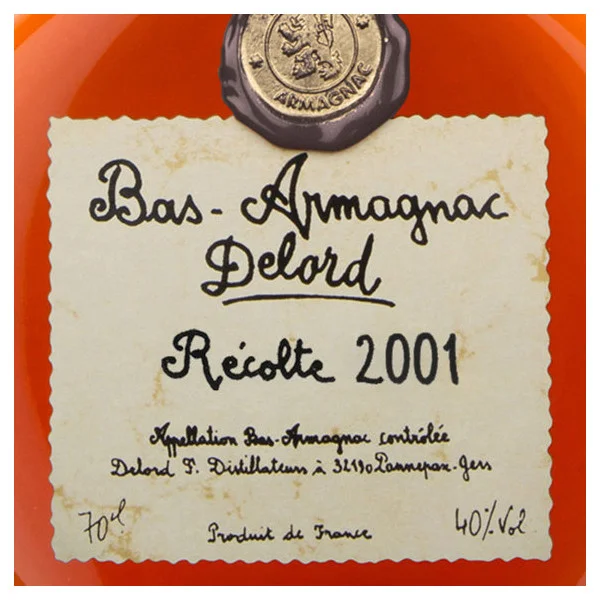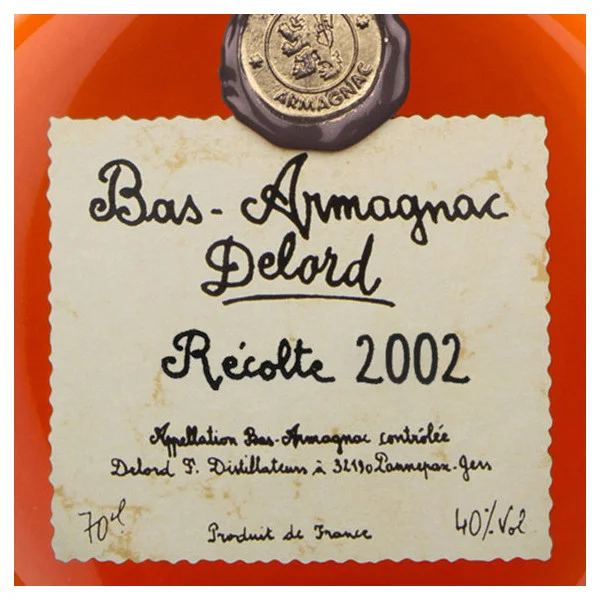


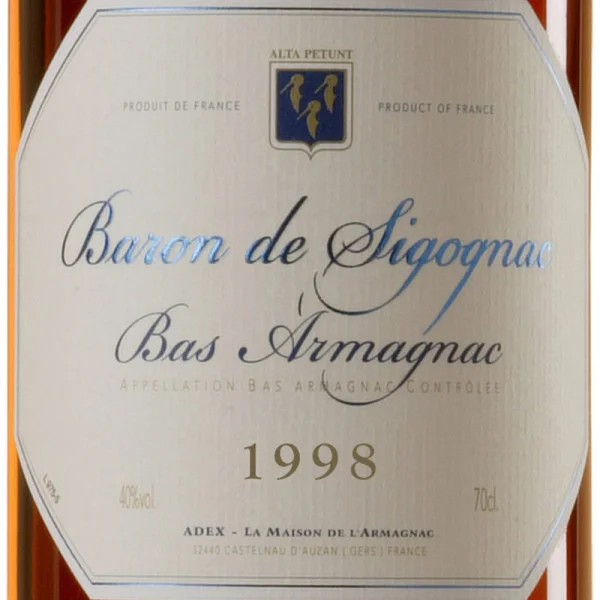
BARON DE SIGOGNAC ARMAGNAC VINTAGE 1998
Fruity - Luscious - Harmonious - Long - Rounded
Millésimé Armagnac is a jewel of French viticulture. Distilled in the Gascony region of south-west France, each vintage bears the imprint of a specific harvest year, reflecting the unique interaction between climate, soil and grape.
Experience the complexity of an eau-de-vie that has patiently matured in oak casks, where each year of ageing contributes to the depth and richness of its aromatic palette. From fruity notes to woody and spicy accents, Armagnac Millésimé offers a diverse and enchanting tasting experience. Celebrate special moments with a Vintage Armagnac, which links the quintessence of a precise year with the perfection of artisanal distillation.
Fruity - Luscious - Harmonious - Long - Rounded

Elegant - Floral - Fruity - Round

Soft - Elegant - Balanced - Fruity

Expressive - Round

Expressive - Round

Woody - Elegant - Fruity

Woody - Elegant - Fruity

Woody - Elegant - Fruity

Expressive - Round

Fruity - Luscious - Harmonious - Long - Rounded

Woody - Elegant - Fruity

Expressive - Round

Fruity - Luscious - Harmonious - Long - Rounded

Elegant - Fresh - Fruity - Round

Expressive - Round

Elegant - Fruity - Long - Round

Woody - Elegant - Fruity

Woody - Elegant - Fruity

Woody - Elegant - Fruity
Vintage Armagnac
A vintage armagnac comes from a single harvest: the year on the label is the year the grapes were picked, and nothing else. This is the key difference from a blended armagnac (VSOP, XO, hors d'âge, 20 year old...), which combines brandies of several ages to achieve a consistent style from one bottle to the next. A vintage, on the other hand, embraces its individuality: it carries the imprint of one season, one estate and the work of a cellar master over several decades.
According to the Bureau national interprofessionnel de l'armagnac, a vintage must be aged for at least ten years. In practice, the bottles in our selection have often spent much longer in oak casks, sometimes more than a century for the oldest. Vintages are a real speciality of armagnac: many Gascon houses keep their brandies year by year, a historic tradition, whereas cognac and champagne rely mainly on blending.
A vintage armagnac is not just a label stuck on a blend. From distillation onwards, the brandies of each harvest are filled into identified casks and tracked, batch by batch, in the cellar registers. It is this traceability, governed by the specification of the armagnac AOC, that allows a year to be stated on the bottle.
Another useful marker is the bottling date. Armagnac no longer ages once it is bottled, so two bottles of the same vintage may have spent very different lengths of time in cask. Many of our product pages give this date when the house provides it: it tells you how long the brandy has really matured.
Giving an armagnac from someone's birth year means giving a spirit that has aged for a whole lifetime. Customers ask us for them for 18th, 20th, 30th, 40th, 50th or 60th birthdays, for golden or diamond wedding anniversaries, for a retirement, or for the year a company was founded. A bottle from the exact year turns the gift into a keepsake: it can be opened on the day of the celebration, or kept for another occasion.
A few ideas for getting this gift just right:
Our selection covers harvests from 1888 to 2015. For each one, you will find one or more houses, so you can choose a style as well as a date.
The oldest bottles come from three houses that have kept casks for generations: Jean Cavé, whose oldest bottle is an 1888 brut de fût, Castarède, with an 1893, and Baron de Sigognac, whose vintages begin in 1900. The 1920s to the 1950s are well represented, often with one or two bottlings per year, such as 1946 armagnac or 1956 armagnac. These are rare bottles: once a year has sold out, it does not always come back.
From this decade onwards the choice widens, with the arrival of Armagnac Delord, Dartigalongue and Clés des Ducs. The years 1963, 1965 and 1966 are therefore available from several producers, for birthdays that really count.
The heart of our cellar: around ten houses offer these decades. For 1975, 1976, 1985 or 1986, expect around ten bottlings, in 70 cl, magnum or pot gascon depending on the producer.
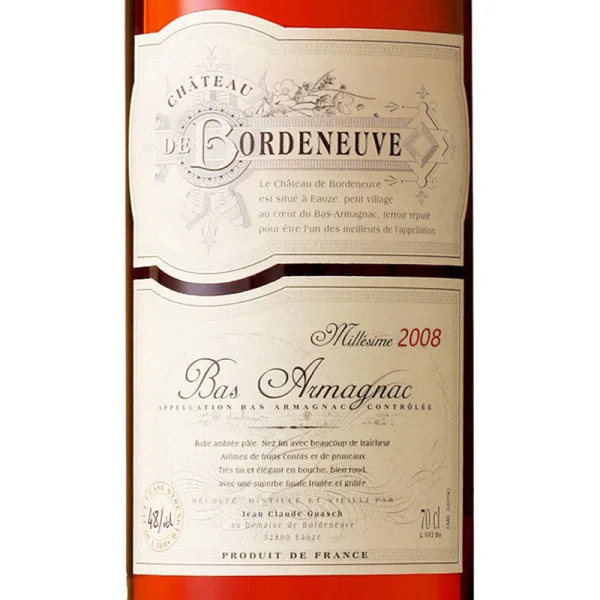
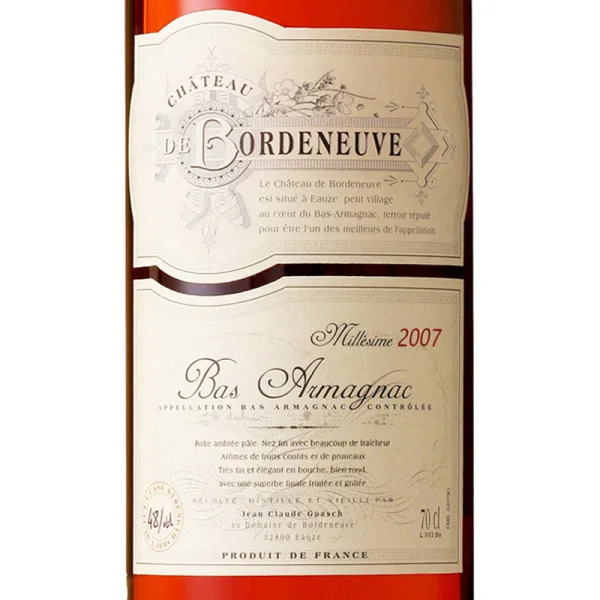
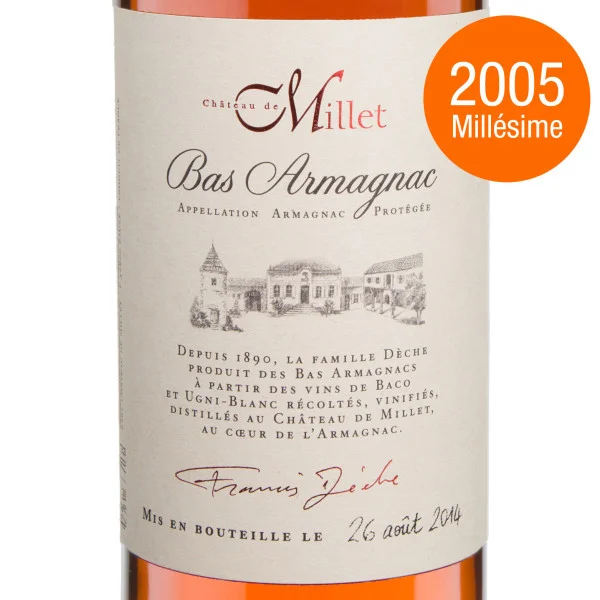
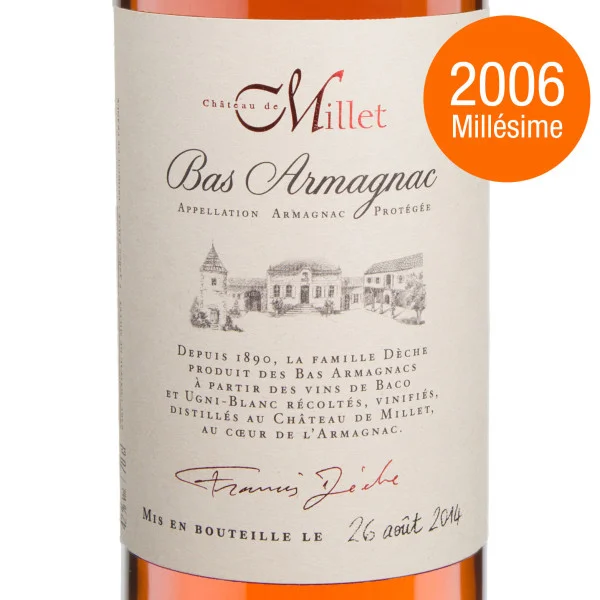
Younger vintages, but already long aged, for a child's 20th, 30th or 35th birthday or a wedding anniversary. Château de Bordeneuve joins the selection from 1987. Among the most sought-after years: 1996 and 2006. The years 2010 to 2015 remain few, from Delord, Dartigalongue and Clés des Ducs.
Every family has its own way of ageing a vintage. Here are the producers you will find in this category, almost all based in Bas-Armagnac, in the heart of Gascony, in the Gers or the Landes:
The base wine matters too: depending on the estate, the vintage is made from ugni blanc, baco, folle blanche or colombard, on their own or blended. Baco gives round, fruity brandies, folle blanche a more floral taste. Ténarèze vintages are often more structured than those from Bas-Armagnac; Haut-Armagnac, for its part, hardly produces any today.
A vintage can be reduced: the cellar master gradually lowers the strength, often to 40 or 42% ABV, using "petites eaux". The armagnac gains roundness and is easy to enjoy. It can also be brut de fût, meaning cask strength, not reduced: bottled at its natural strength, which depends on the cask and the time spent in the cellar. More than a hundred of our vintages are cask strength. They offer more intensity and depth, and reveal the personality of the year without any filter. To discover them all, browse our cask strength armagnacs.
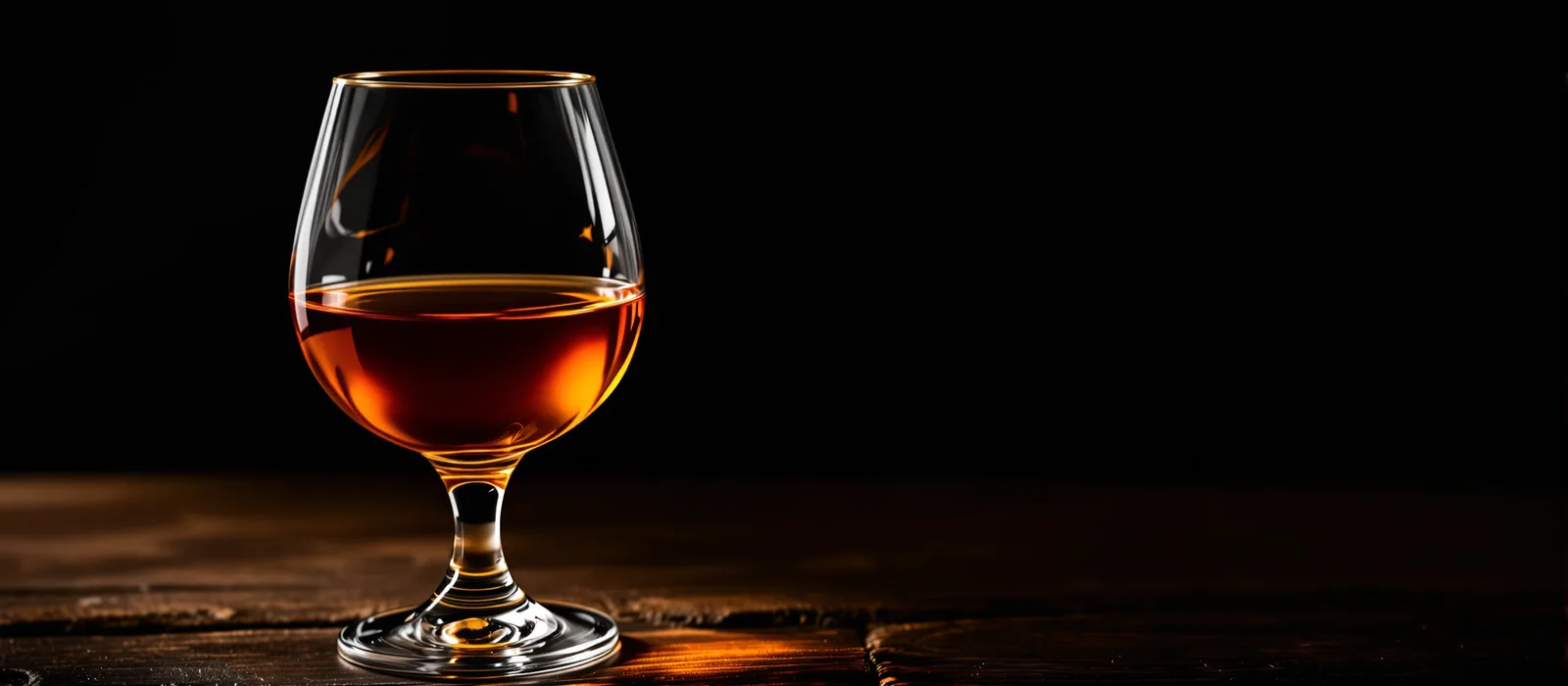
In the glass, an old Gascon vintage often develops notes of prune, dried fruit, vanilla, cocoa and, with age, that much-prized rancio. Each house has its own style, however, fruitier at one, oakier at another: that is exactly why it is worth comparing two producers for the same year.
Serve it at room temperature, in a tulip glass, and give it a few minutes to open up. A cask strength armagnac can take a drop of water to release its aromas. Store the bottle upright to protect the cork, away from light and at a stable temperature. Unopened, it keeps its qualities for years; once opened, it can be enjoyed at leisure over several months.
The one from the right year, in the style of the person who will receive it. A reduced vintage will please an occasional drinker; a cask strength bottling from Jean Cavé or Pellehaut, or a Baron de Sigognac, will suit a connoisseur looking for an exceptional armagnac.
Harvests from 1888 to 2015, with a very wide choice from 1960 to 2006. The oldest are often available as a single bottling. Each vintage has its own page, accessible from this category.
It depends mainly on the age, the rarity of the bottle and the house: there is something for every budget. Every product page shows its price, so you can compare estates such as Delord, Millet, Laubade or Castarède for the same vintage.
Ten varieties are permitted by the appellation, but four dominate: ugni blanc, baco, folle blanche and colombard.
Choose the vintage, then the house and the bottle size, and add the bottle to your basket in our shop. Payment is secure and delivery carefully handled, in France and across Europe, in packaging designed for shipping spirits. Can't decide between two vintages? Our team will be happy to advise you.
Please enjoy responsibly. Excessive alcohol consumption is harmful to health.
Sorted by decade: click a year to see its bottles. Anniversaries 2026 : 10, 20, 30… years
Explore our other Armagnacs too
Also in our cellar
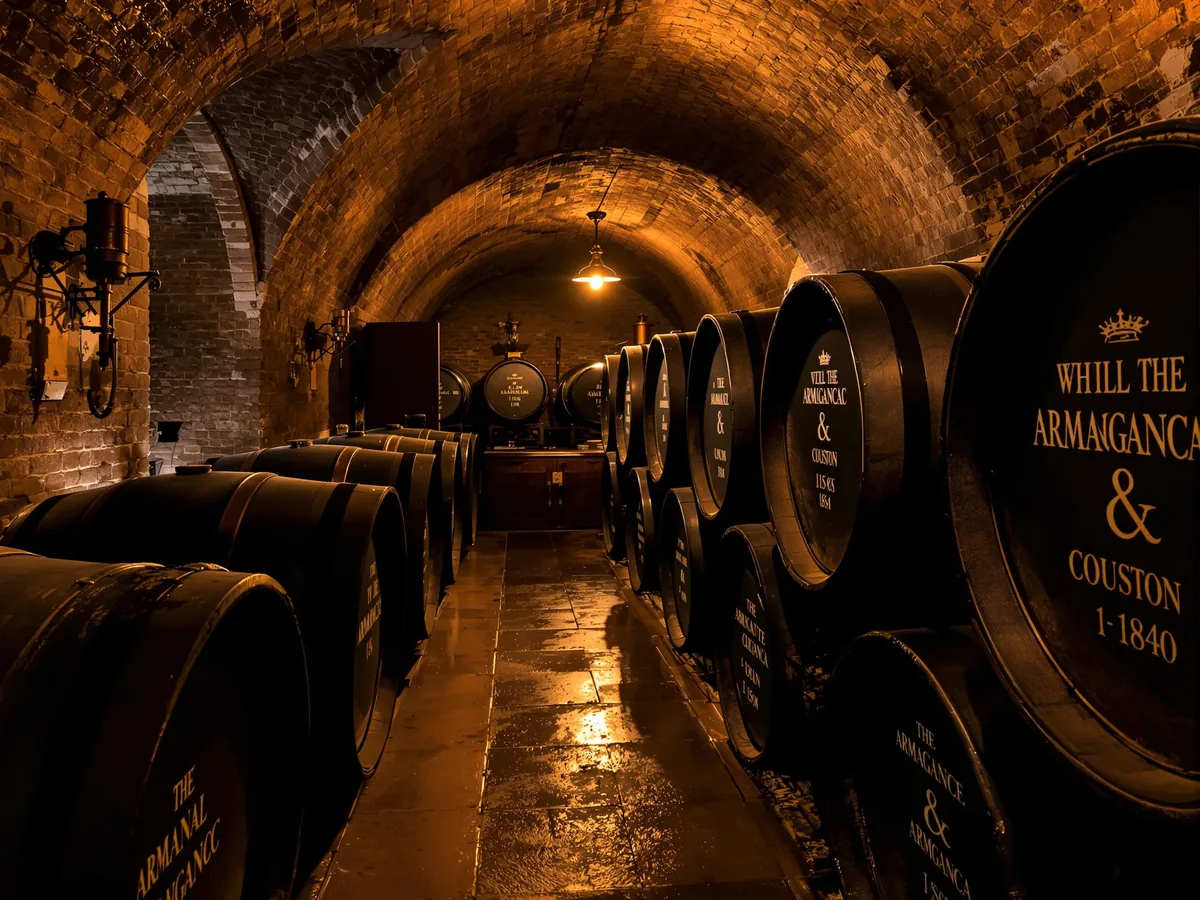
Each house has its own cellar, its own still and its own way of waiting. We represent them with no middleman.
 Jean Cavé
95 bottles
Jean Cavé
95 bottles
 Armagnac Delord
92 bottles
Armagnac Delord
92 bottles
 Château de Millet
79 bottles
Château de Millet
79 bottles
 Dartigalongue
75 bottles
Dartigalongue
75 bottles
 Baron de Sigognac
69 bottles
Baron de Sigognac
69 bottles
 Armagnac Castarède
59 bottles
Armagnac Castarède
59 bottles
 Clés des ducs
48 bottles
Clés des ducs
48 bottles
 Château de Laubade
31 bottles
Château de Laubade
31 bottles
 Château de Bordeneuve
17 bottles
Château de Bordeneuve
17 bottles
 Domaine de Pellehaut
17 bottles
Domaine de Pellehaut
17 bottles
 Charles de Granville
13 bottles
Charles de Granville
13 bottles
 Roger Groult
7 bottles
Roger Groult
7 bottles
Armagnac specialist
A cellar devoted to the brandies of Gascony.
The year on the label
Authentic vintages, from 1888 to the present day.
Careful shipping
Bottles wedged and protected, tracked delivery in France and Europe.
Need advice?
A year, a budget, an occasion: write to us.
New houses, rare years found again, gift ideas: a few letters a year, no more.