One vintage, three houses
The rule is the same for all three bottles: the year shown is that of the harvest, and the armagnac has not been mixed with any other harvest. Age-statement armagnacs, VSOP, XO or hors d'âge, follow a different logic, that of blending several years for a consistent taste. A 1952 vintage, on the contrary, captures a single autumn.
What differs is everything else: the estate, the cellar, the casks, the length of ageing, the bottling date and the final strength. Bringing together three 1952s therefore means seeing how three families accompanied the same year.
1952, a reign begins
On 6 February 1952, on the death of her father George VI, Elizabeth II became Queen of the United Kingdom (source: Wikipedia, article "Élisabeth II"). At the Helsinki Olympic Games the following summer, the Czechoslovak Emil Zátopek won the 5,000 m, the 10,000 m and the marathon (source: Wikipedia, article "Emil Zátopek"). In Gascony, the 1952 grapes were harvested in the autumn and distilled during the winter. None of our three houses describes the quality of this harvest: we therefore say nothing about it.
Our three 1952 armagnacs
- Armagnac Castarède: a house founded in 1832, still independent and family-run, led by Florence Castarède, the sixth generation, from Château de Maniban. Its 1952, a single-year brandy without blending, spent 68 years in oak casks before being bottled in 2020; it is 40% ABV and comes in a case;
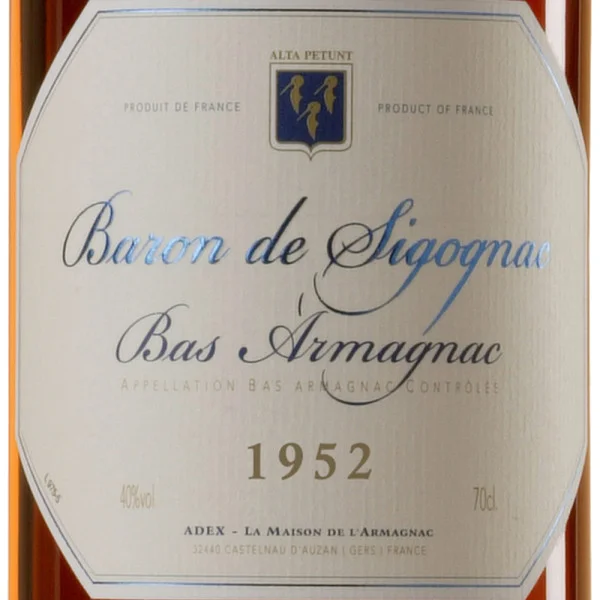
- Baron de Sigognac: a 1952 at 40% ABV, from ugni blanc and baco, aged at Château de Bordeneuve, in Castelnau d'Auzan, where each year ages separately. The house states that it prepares its vintages to order; it does not publish a tasting note specific to 1952, and we do not invent one;
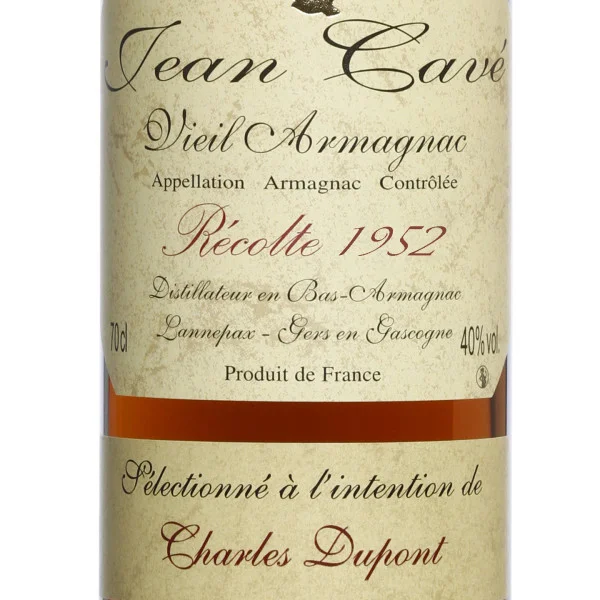
- Jean Cavé: a 1952 Bas-Armagnac AOP at 42.3% ABV, without any blending, bottled brut de fût, with no added water. It comes from the family's collection of old vintages, in Lannepax, and is delivered in a wooden box.
Two bottles at 40% ABV and a brut de fût at 42.3% ABV: the gap seems modest, but it can be felt on the nose as on the palate. For other brandies left at their natural strength, see our brut de fût armagnacs.
Maniban, Bordeneuve, Lannepax
Castarède presents itself as the oldest independent, family-run merchant house in the appellation. At Château de Maniban, in Mauléon-d'Armagnac, it grows ugni blanc, colombard, folle blanche and, since 2015, baco; it distils in an Orthez-type armagnac still dating from 1942 and holds the Entreprise du Patrimoine Vivant label.
Château de Bordeneuve has belonged to the Guasch family since 1974. On the sands of Bas-Armagnac, near Eauze, the estate ages each year separately, for a very limited production; the house describes the Sigognac style as round and fruity, with long finishes. Finally, in Lannepax, the Cavé family has been established since 1883; four generations later, it keeps one of the richest collections of old vintages in the appellation.
From white wine to old armagnac
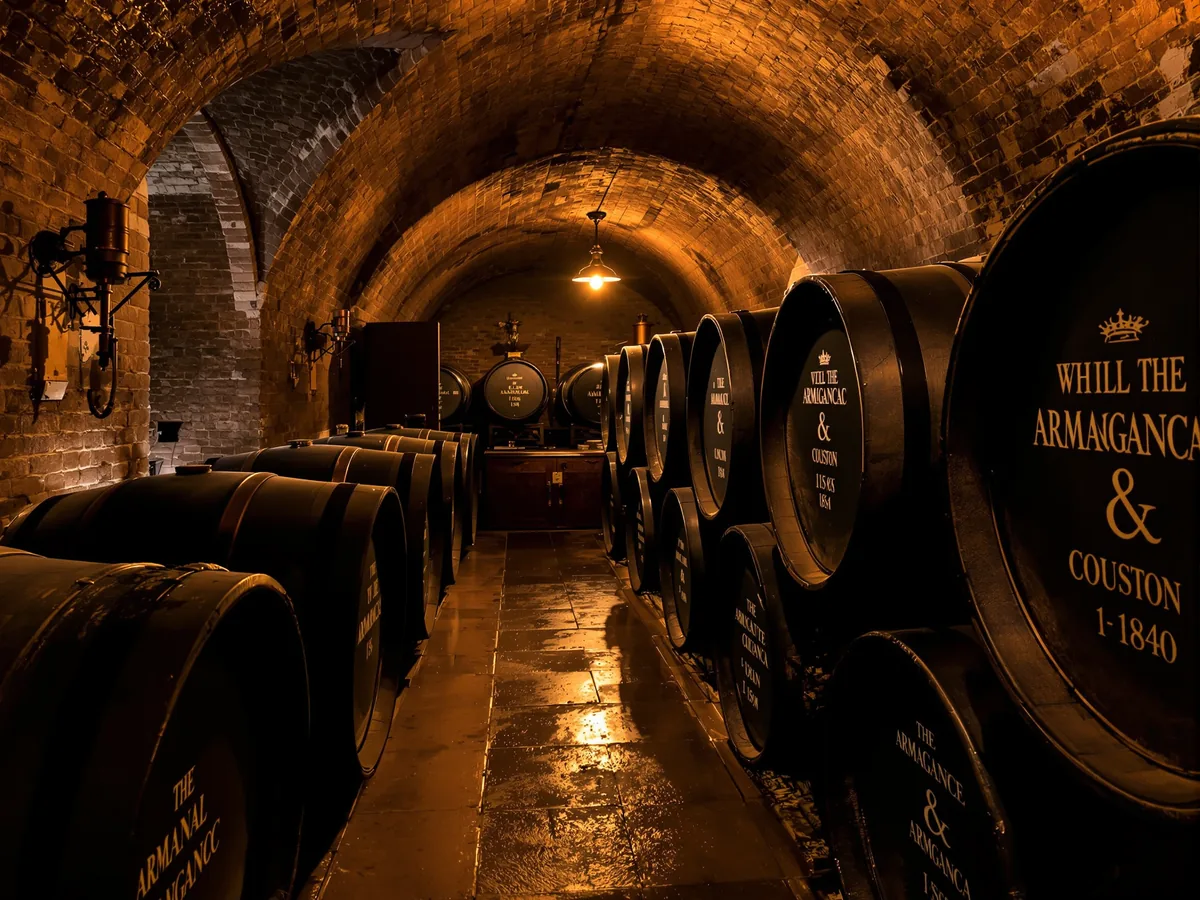
Armagnac is born from a dry white wine, made from the appellation's grape varieties: ugni blanc, baco, folle blanche and colombard. This wine is distilled only once, continuously, in the armagnac still, whereas cognac goes through the still twice. The brandy then ages in oak casks, in the cellar; there it takes on its colour, its tannins and its bouquet, while part of the alcohol evaporates. Bottling stops this work: the Castarède, bottled in 2020, thus sums up 68 years in cask.
Our three 1952s come from Bas-Armagnac, one of the three terroirs of the appellation along with Ténarèze and Haut-Armagnac, renowned for its fine brandies.
Tasting a 74 year old armagnac
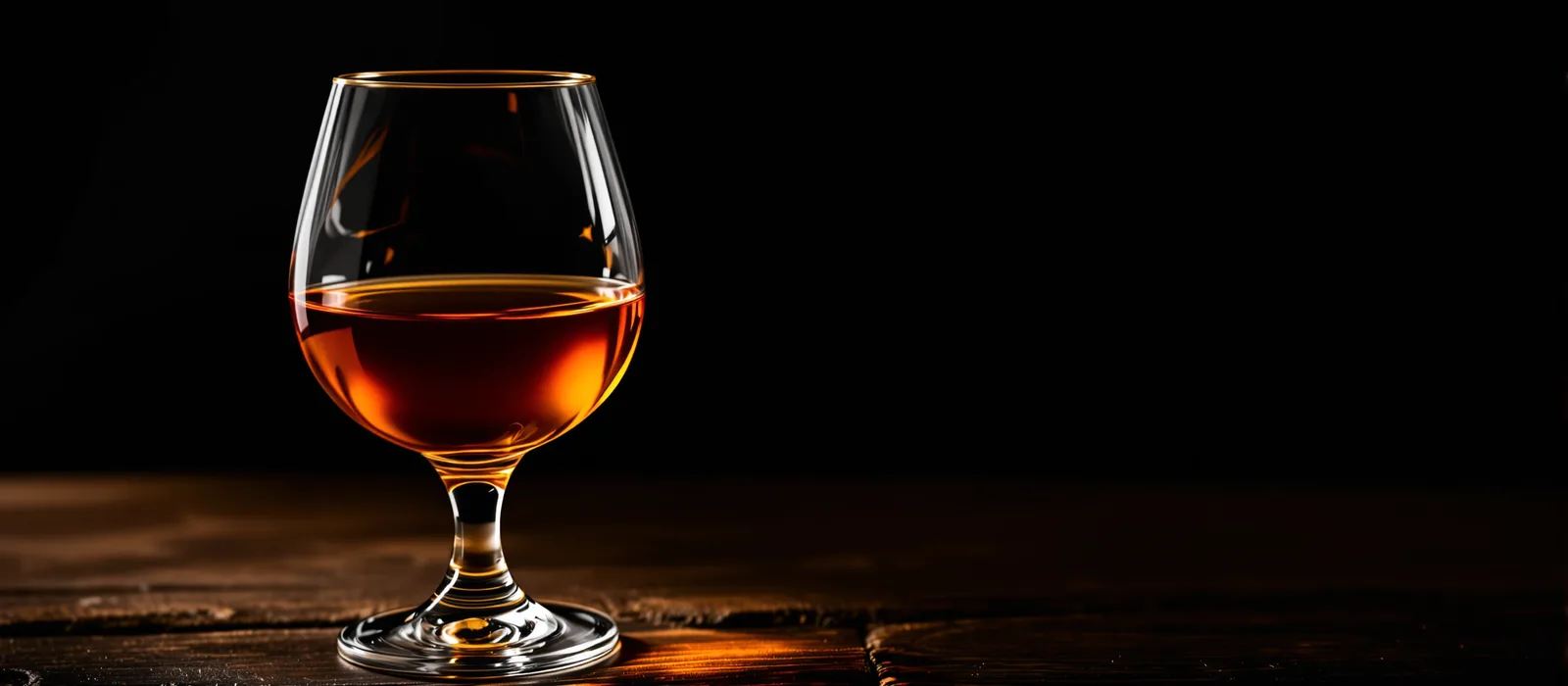
At this age, armagnacs often show a colour ranging from dark amber to mahogany and notes of prune, candied fruit, vanilla, cocoa, sweet spices, sometimes rancio. At Sigognac, the house associates its old vintages with toasted dried fruit, coffee and dark chocolate; at Cavé, with wood, vanilla and cocoa. These are style markers, not notes specific to these 1952s.
If you bring all three together, serve them side by side in tulip glasses, at room temperature, finishing with the brut de fût. Let each glass breathe for a few minutes, then taste in small sips.
Giving a 1952 armagnac
In 2026, people born in 1952 celebrate their 74th birthday. An armagnac from their year is a gift that has aged along with them; in a case from Castarède, in a wooden box from Cavé, it is ready to give. For collectors, the 1952 fits between the 1951 armagnac and the 1953 armagnac.
Keep the bottle upright, away from light and heat. Unopened, it keeps for decades; once opened, for several months.
Frequently asked questions about 1952 armagnac
How much does a 1952 armagnac cost?
It varies according to the house, the strength and the presentation. Each product page shows the price, the bottle size and the house.
Where can I buy a 1952 armagnac?
At Plaisirs de Gascogne, an online shop dedicated to vintage armagnacs: secure payment, careful shipping, delivery in France and across Europe, and a customer service team to help you choose between the three houses.
Who are the producers of 1952 armagnac?
In our selection: Armagnac Castarède, Baron de Sigognac and Jean Cavé, three Bas-Armagnac houses.
What are the characteristics of the 1952 armagnac?
Three armagnacs from a single harvest: Castarède at 40% ABV, after 68 years in cask; Sigognac at 40% ABV, from ugni blanc and baco; Jean Cavé brut de fût at 42.3% ABV.
Find all our vintage armagnacs, year by year.
Please enjoy responsibly. Excessive alcohol consumption is harmful to health.



 Jean Cavé
113 bottles
 Armagnac Delord
92 bottles
 Baron de Sigognac
90 bottles
 Château de Millet
83 bottles
 Sempé
82 bottles
 Dartigalongue
77 bottles
 Marcel Trépout
72 bottles
 Clés des Ducs
67 bottles
 Château de Monluc
64 bottles
 Armagnac Castarède
63 bottles
 Château de Laubade
42 bottles
 Château de Bordeneuve
32 bottles