A 1888 armagnac, a piece of history
A vintage armagnac contains only one harvest, the one written on the label. For a 1888 to reach us, a Gascon estate had to keep this spirit for more than a century, without ever selling it or blending it with other harvests. That is what makes such a bottle so rare: every generation could have emptied it, and none did. Unlike an XO or a hors d'âge, which marry harvests of several ages, this old armagnac tells the story of a single, pure harvest, and of the patience of those who watched over it.
1888, the Armagnac vineyard before phylloxera
The date matters in the history of the region. According to Wikipedia (article "Armagnac (eau-de-vie)"), phylloxera reached the Cognac region in 1879, driving up demand and prices for brandy, much to the benefit of armagnac. The disease only arrived in the Gers from 1893, just as the Armagnac vineyard reached its greatest extent, around 100,000 hectares. A 1888 armagnac therefore comes from the Gascon vineyard as it was before the crisis, of which very few witnesses remain in bottle.
This is also the period when several of the appellation's great estates took shape: Château de Laubade, in Sorbets, was built in 1870, and Château de Bordeneuve, which makes the Baron de Sigognac armagnacs, keeps vintages dating back to 1893 in its cellar. Two landmarks that show how deeply the estates and châteaux of the South West are rooted in time.
Elsewhere in France, 1888 is also the year the Institut Pasteur was inaugurated in Paris, on 14 November, by President Sadi Carnot (source: Wikipedia, article "Institut Pasteur").
The Jean Cavé 1888, brut de fût
The armagnac house Jean Cavé was born in 1883, when Jean Cavé, a winegrower, settled in Lannepax, in the Gers, as a distiller and ageing house. Four generations later, the family has built up one of the most remarkable collections of old vintages in the appellation, with demijohns kept in its "paradis", the part of the cellar reserved for the oldest brandies.
This 1888 vintage is drawn from that collection. It comes in a 70 cl bottle, with the words Bas-Armagnac AOP on the label. It has never been blended: it is a brut de fût armagnac, bottled at its natural strength, with no added water, at 41.7% ABV. A modest strength for a brut de fût, explained by its very long stay in wood: over the decades, part of the alcohol evaporates, the famous angels' share.
From grape to cask: how an old armagnac is born
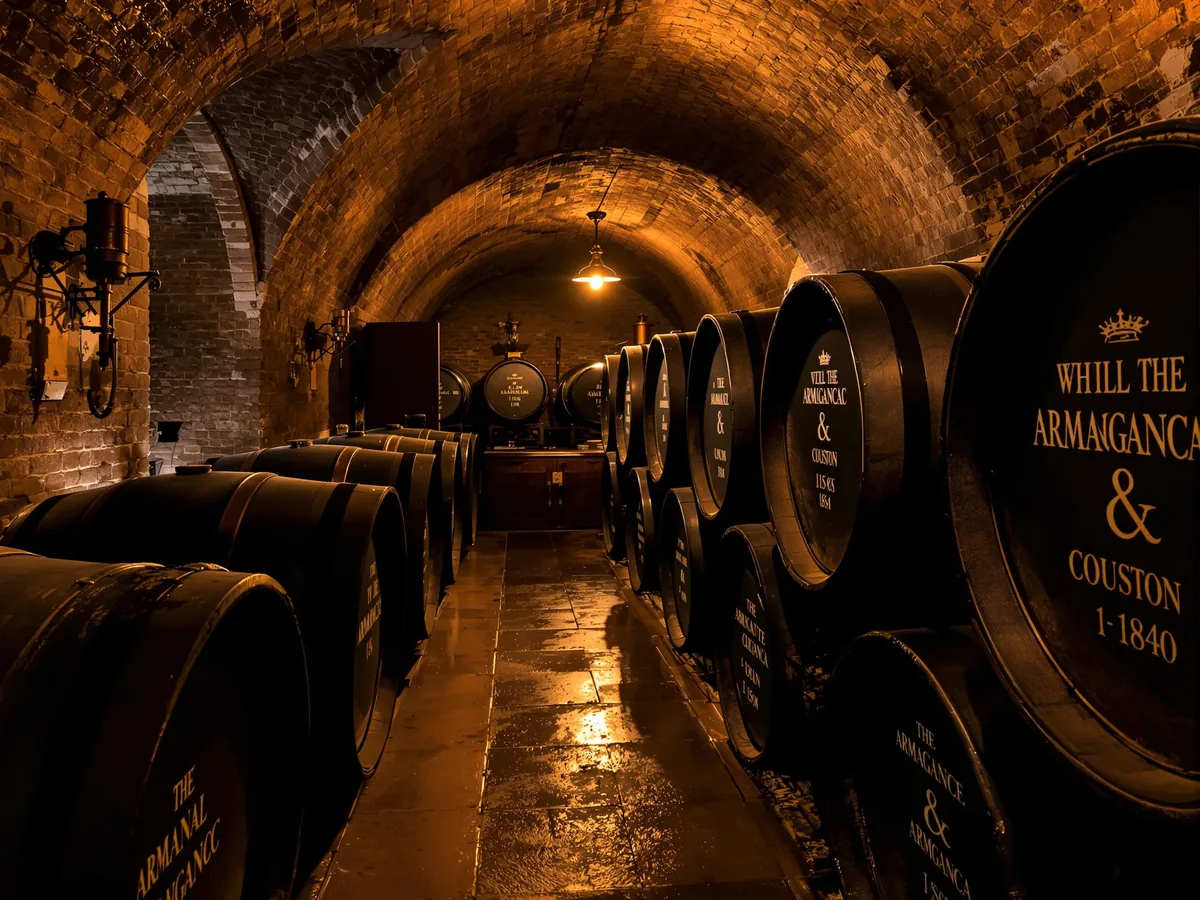
It all starts with a dry white wine made from the grape varieties of the appellation, such as ugni blanc, baco, folle blanche or colombard, depending on the estate. Folle blanche is one of the historic grape varieties of Gascony. In winter, this wine is distilled in the armagnac still, a continuous column still, following the region's traditional method. The distillate is then aged in Gascon oak casks, in the cellar of the estate or château, where the wood gives it its colour, its tannins and its aromatic richness. Good to know: armagnac only ages in the cask. Once in the bottle, it stays exactly as it was drawn.
Tasting an armagnac more than 130 years old
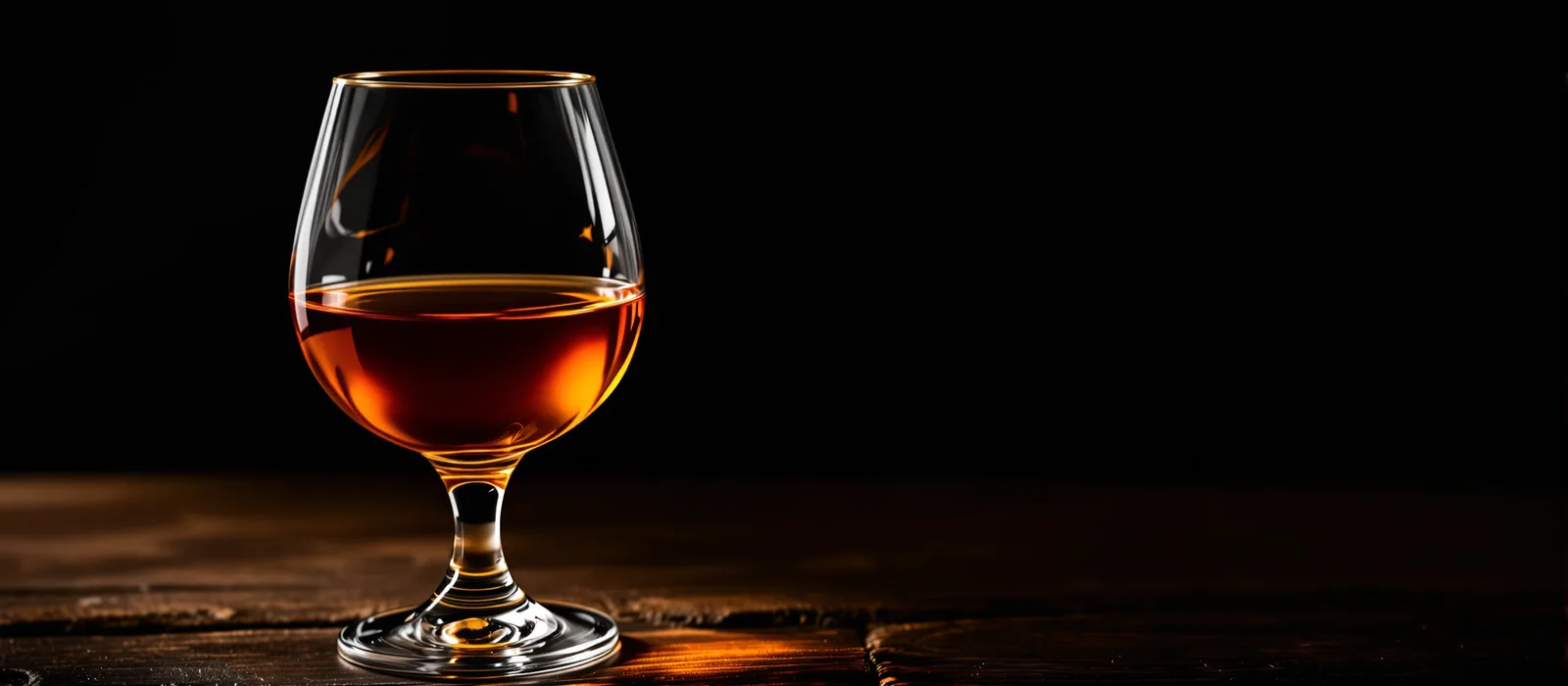
An armagnac of this age should be approached with respect. Pour a very small amount into a tulip glass, at room temperature. Let it open up for a good few minutes, then come back to it several times: very old armagnacs evolve in the glass. Their complexity often shows in notes of dried fruit, prune, precious woods, sweet spices and rancio. A rare experience, to share with a few chosen connoisseurs.
Our advice as wine merchants: do not serve it after an overly rich meal, but at a quiet moment, so that it has all the room it deserves. An armagnac like this deserves the time to note every aroma.
Giving or keeping a 1888 armagnac
Among possible gifts, this is no ordinary birthday present: it is a collector's item, something to hand down, a bottle for a truly extraordinary occasion. To keep it, store it upright, away from light and heat, so that the alcohol does not touch the cork. Unopened, it keeps for a very long time. If you are looking for a more accessible old vintage, also discover our 1946 armagnac.
Frequently asked questions about 1888 armagnac
How much does a 1888 armagnac cost?
The price reflects the extreme rarity of this vintage. The product page shows the house, the bottle size, the strength and the price.
Where can I buy a 1888 armagnac?
At Plaisirs de Gascogne, an online wine and spirits shop specialising in vintage armagnac. The provenance is clear: the bottle comes directly from the Jean Cavé house. Payment is secure and delivery is handled with care, in France and across Europe. Our customer service will gladly answer your questions before you order.
What do people say about the 1888 armagnac?
The house does not publish detailed tasting notes for this vintage, and we prefer not to invent any. Our view rests on its rarity: a 1888 Bas-Armagnac, brut de fût, is first and foremost a bottle of history, for the informed connoisseur.
What are the characteristics of this 1888 armagnac?
A Bas-Armagnac from a single harvest, unblended, brut de fût at 41.7% ABV, in a 70 cl bottle.
Is a 1888 armagnac still good?
Yes. An old armagnac does not spoil in the bottle if it is stored upright, somewhere cool and away from light.
Also discover all our vintage armagnacs, year by year.
Please enjoy responsibly. Excessive alcohol consumption is harmful to health.