An old 1935 armagnac, rare by nature
1935 armagnac is no longer produced: everything that exists was distilled more than nine decades ago, and all that remains is what a few houses had the patience to keep. Each bottle is therefore drawn from a reserve that cannot be replenished. That is what gives an old vintage its value, far more than its age alone.
A vintage refers to a single harvest, that of the year written on the label. By contrast, a VSOP, an XO or a grande fine marry several harvests. With a 1935, you taste a single year, just as the house aged it.
1935, the year the AOCs were born
On 30 July 1935, a decree-law created the AOCs in France, the appellations d'origine contrôlée, along with the national committee responsible for defining them, the forerunner of today's INAO (source: Wikipedia, article "Institut national de l'origine et de la qualité"). Armagnac obtained its own the following year, in 1936, with its three terroirs: Bas-Armagnac, Ténarèze and Haut-Armagnac (source: Wikipedia, article "Armagnac (eau-de-vie)"). A 1935 armagnac was thus born just before its appellation was officially recognised. On the quality of the harvest itself, we have no producer source, so we stick to the bottles.
Our 1935 armagnacs
Two 70 cl bottles, two Bas-Armagnac houses, two strengths:
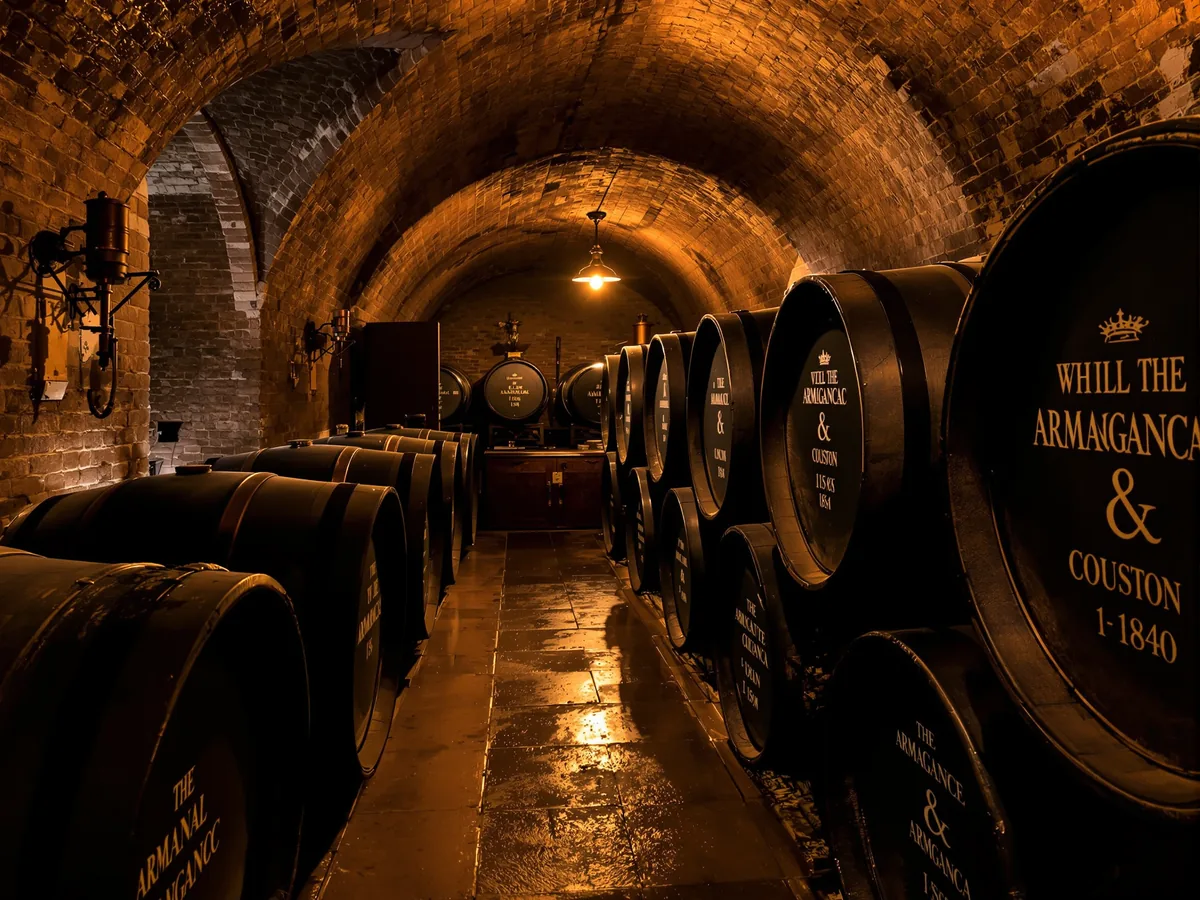
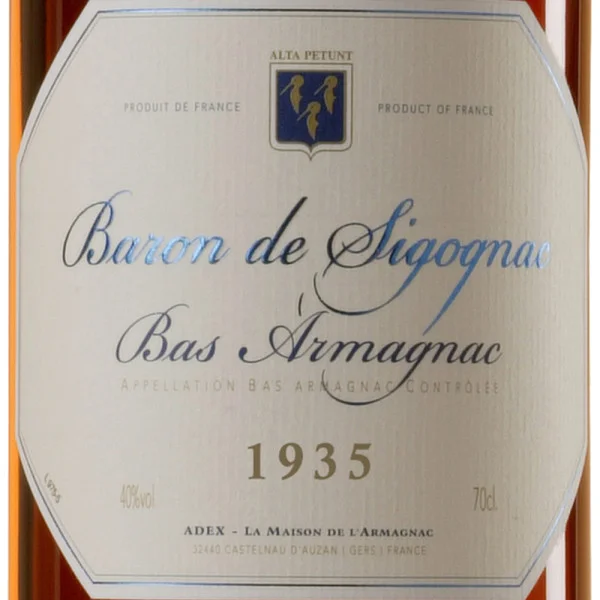
- Baron de Sigognac: a 1935 at 40% ABV, from ugni blanc and baco, kept at Château de Bordeneuve, in Castelnau d'Auzan. The Guasch family ages each year separately there and keeps vintages dating back as far as 1893. The house does not publish tasting notes for 1935, and we do not invent any;
- Jean Cavé: a 1935 at 41.5% ABV, bottled brut de fût, with no added water and no blending, bearing the words Bas-Armagnac AOP. It comes from the reserve of old vintages of this Lannepax family, established since 1883, and is presented in a wooden box.
People sometimes speak of single cask for a bottle drawn from one cask only; our product sheets do not specify this for these two 1935s. What is certain is that the Jean Cavé keeps the strength of its cask: as such, it joins our brut de fût armagnacs.
Two families, one terroir
The house of Jean Cavé was born in 1883, when a winegrower from Lannepax, in the Gers, set up as a distiller and cellar master. Four generations later, the family keeps one of the richest collections of old vintages in the appellation, with old demijohns kept in its paradis, the part of the cellar reserved for the oldest brandies. Château de Bordeneuve, for its part, lies on the tawny sands around Eauze: the Baron de Sigognac armagnacs are produced there in small quantities, with great care, in a round and fruity style.
For more recent years, you will also find with us the vintages of Château de Laubade, Château de Millet, Dartigalongue, Delord, Clés des Ducs or Domaine de Pellehaut.
From white wine to old armagnac
At the start, a dry white wine from the South West, made from ugni blanc, baco, folle blanche or colombard. The quality of this wine matters: it is what gives the future spirit its fruit. During the winter, this wine goes through the armagnac still, in continuous distillation and in a single pass, whereas cognac is distilled twice. The distillate that comes out is clear; it is the oak cask that gives it its colour, its tannins and its aromatic range, over a very long ageing in the cellar, while the alcohol slowly evaporates. Once bottled, armagnac no longer evolves: this 1935 aged in wood, not in glass.
Tasting notes for an armagnac more than 90 years old
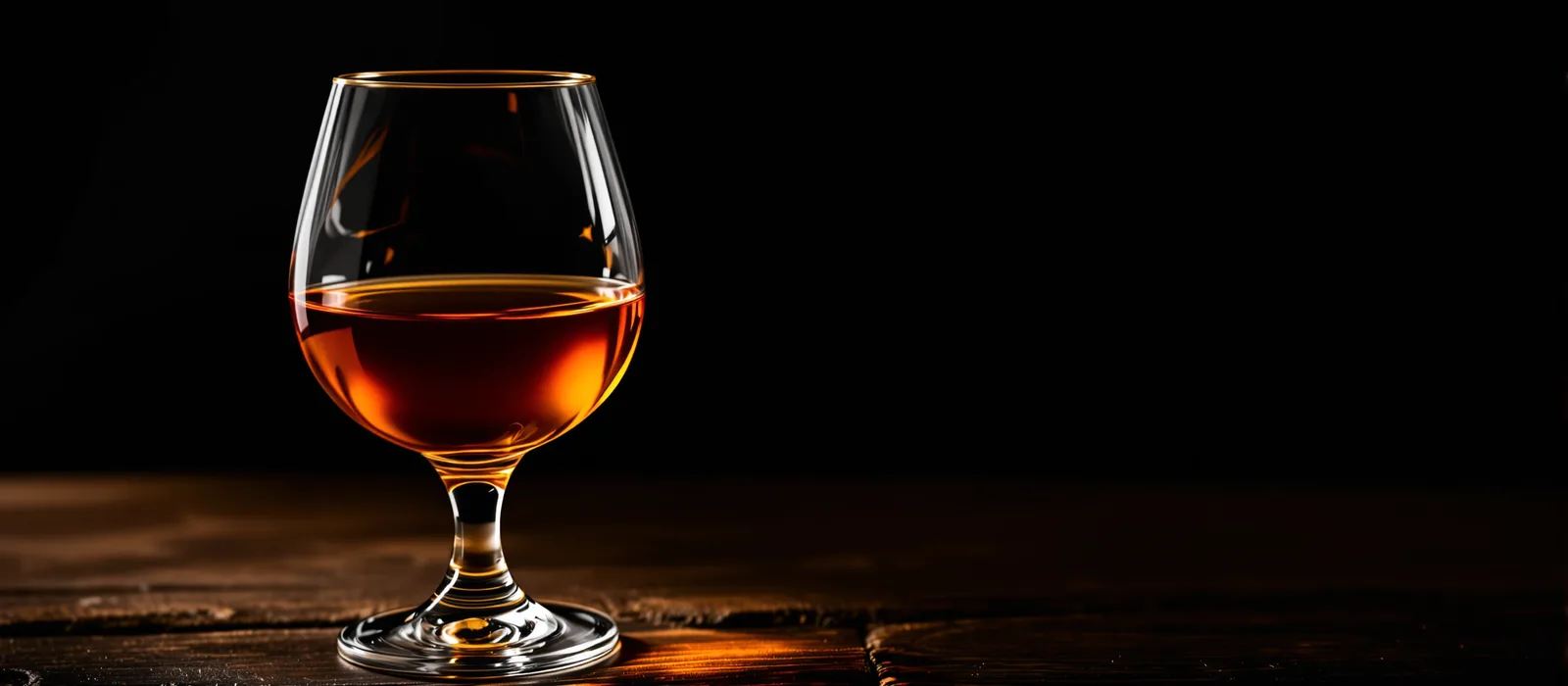
The colour of an armagnac of this age often leans towards deep mahogany. On the nose, very old armagnacs readily offer prune, candied fruit, vanilla, cocoa, leather or waxed wood; on the palate, sweet spices and sometimes rancio, the sign of exceptionally long ageing. Each bottle remains unique: it is up to you to discover what time has made of the original fruit.
To taste it, pour a little into a tulip glass, at room temperature. Let the armagnac breathe for a good ten minutes, then proceed in small sips. The Jean Cavé, at cask strength, reveals itself with a little more patience than the Sigognac.
Giving a 1935 armagnac
In 2026, people born in 1935 celebrate their 91st birthday. A bottle from their birth year is one of those gifts people remember, to open with the family or to hand down. For lovers of great old vintages, a 1935 sits naturally alongside a 1936 armagnac, the year of the appellation.
Store it upright, somewhere cool and dark, so that the alcohol does not touch the cork. Unopened, it keeps indefinitely; once opened, for several months.
Frequently asked questions about 1935 armagnac
How much does a 1935 armagnac cost?
It depends on the house, the strength and the quantity still available. Each product page shows the house, the bottle size and the price.
Where can I buy 1935 armagnac?
At Plaisirs de Gascogne, an online shop dedicated to single-year armagnacs: bottles from the Gascon houses, secure payment, careful shipping in France and across Europe, and a customer service team to help you choose.
What are the characteristics of the 1935 armagnac?
Two Bas-Armagnacs from a single harvest: Baron de Sigognac at 40% ABV, Jean Cavé brut de fût at 41.5% ABV.
Where does the 1935 armagnac come from?
It comes from a wine harvested in 1935 in the region, distilled in the armagnac still, then aged in oak casks by a Bas-Armagnac family until it was bottled.
Discover all our vintage armagnacs, year by year.
Please enjoy responsibly. Excessive alcohol consumption is harmful to health.




 Jean Cavé
113 bottles
 Armagnac Delord
92 bottles
 Baron de Sigognac
90 bottles
 Château de Millet
83 bottles
 Sempé
82 bottles
 Dartigalongue
77 bottles
 Marcel Trépout
72 bottles
 Clés des Ducs
67 bottles
 Château de Monluc
64 bottles
 Armagnac Castarède
63 bottles
 Château de Laubade
42 bottles
 Château de Bordeneuve
32 bottles