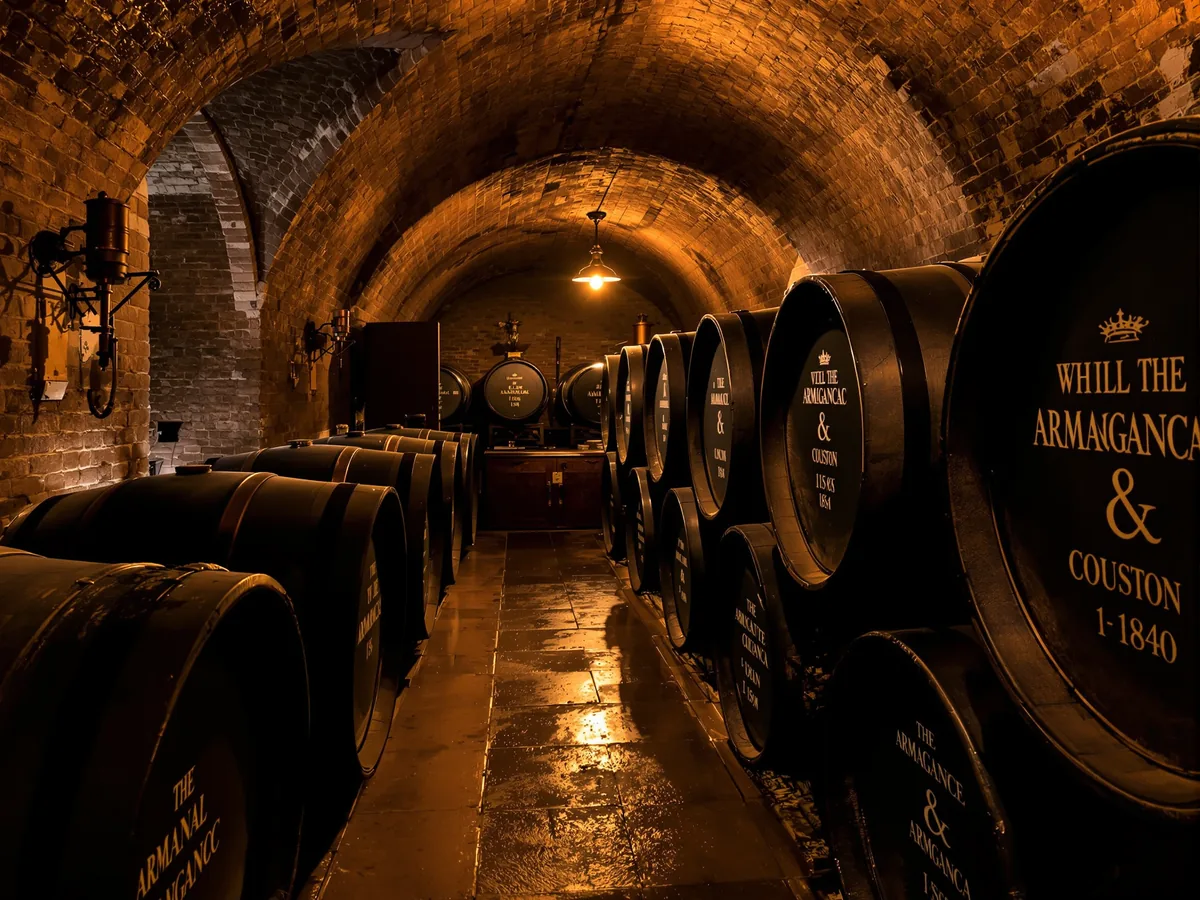
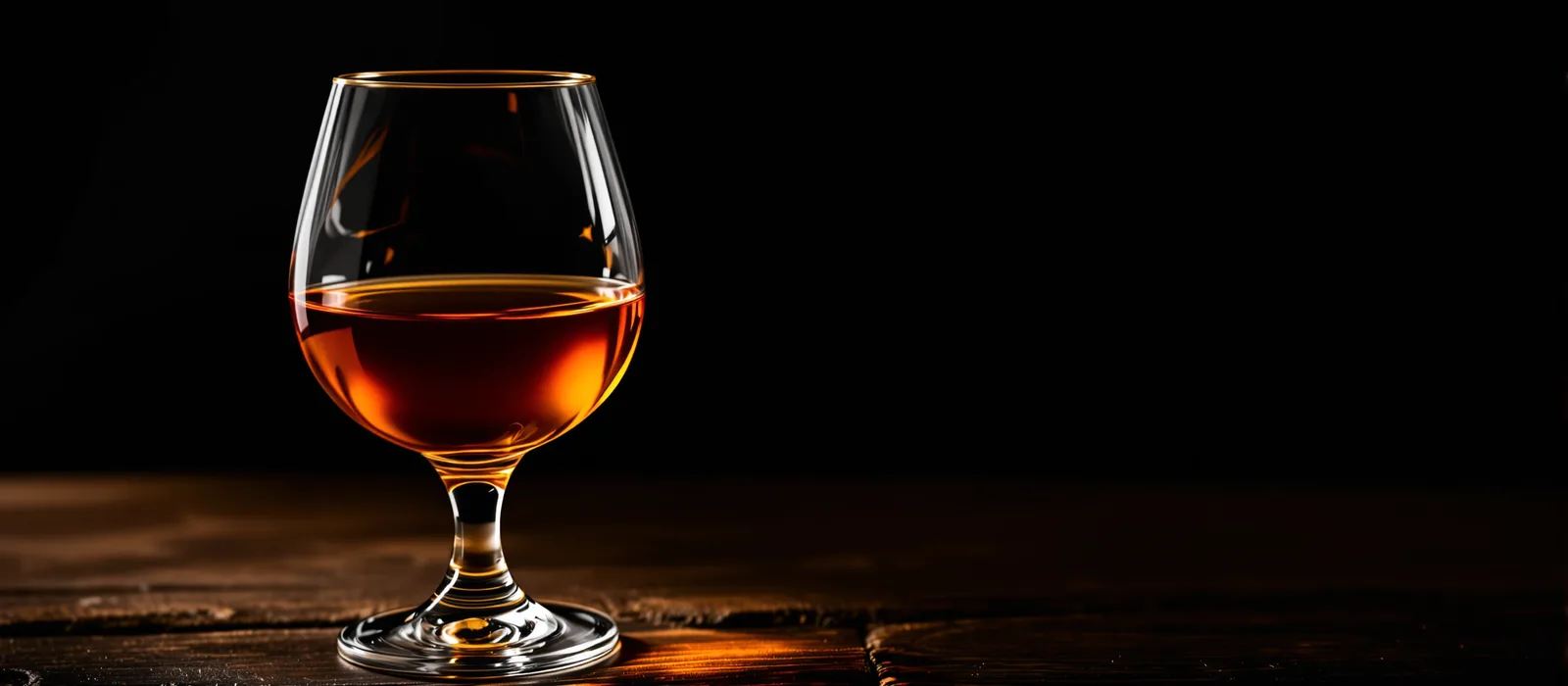
What the 1932 date on the label guarantees
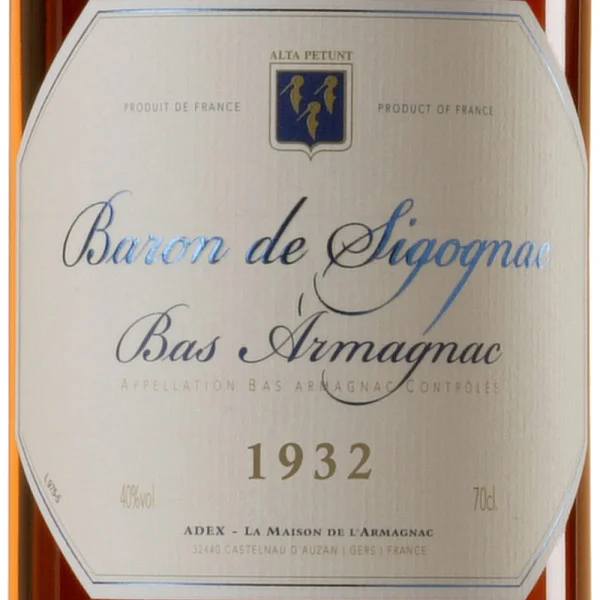
On a bottle of armagnac, the year is no mere ornament. It means that the entire contents come from a single harvest, here that of 1932, with no younger spirit added. This is the great difference from age-statement armagnacs, VSOP, XO or hors d'âge, which marry several years to maintain a consistent style. A vintage, on the other hand, is unique: when the last cask is emptied, the year leaves the cellar for good.
That is why the 1932 vintage has become so rare. A house had to resist for decades the temptation to sell this lot in bulk or to fold it into a blend, so that it could be bottled on its own, under its year, much later. Note in passing that a vintage does not necessarily mean single cask (one cask only): this term, common in whisky, is not claimed for our two bottles.
1932 in a few dates
On 6 May 1932, the President of the Republic Paul Doumer was fatally shot in Paris; a few days later, on 10 May, Albert Lebrun was elected to succeed him (source: Wikipedia, articles "Paul Doumer" and "Albert Lebrun"). At the same time, Gascon winegrowers were preparing a harvest whose wine would go to the still during the winter. In the absence of a source from the houses on the quality of this harvest in the South West, we refrain from any judgement.
Our two 1932 armagnacs
- Baron de Sigognac: a 1932 at 40% ABV, from ugni blanc and baco, aged at Château de Bordeneuve, in Castelnau d'Auzan, where each year ages separately. According to the estate, the colour is amber, a deep brown; the nose opens on roasted notes of coffee and cocoa; the attack is rich and smooth, and the long finish blends wood and honey;
- Jean Cavé: an AOC armagnac, labelled Bas-Armagnac AOP, drawn from the family's collection of old vintages, in Lannepax. It has undergone no blending and was bottled brut de fût, without reduction; its exact strength is shown on the label. It is delivered in a wooden box.
On one side, an armagnac at 40% ABV described precisely by its estate; on the other, a brandy left at its natural strength: two readings of the same year. Lovers of this style will find other references among our brut de fût armagnacs.
Two houses, two Gascon traditions
Château de Bordeneuve has belonged to the Guasch family since 1974. On its Bas-Armagnac sands, near Eauze, the family distils its own wine in an almost century-old armagnac still and fills a small number of casks each year. According to the house, its style can be recognised by its roundness and its notes of toasted dried fruit, coffee and dark chocolate in the oldest vintages, which the product sheet for this 1932 confirms.
Further east, Lannepax is home to the Jean Cavé house, founded in 1883 by a winegrower who became a distiller and cellar master. Henri Cavé, the fourth generation, now watches over a paradis where old demijohns rest. Two family stories, one shared tradition: letting time do its work.
One terroir, three appellation areas
The armagnac appellation, in the heart of Gascony, brings together three terroirs: Bas-Armagnac to the west, Ténarèze in the centre and Haut-Armagnac to the east and south. Our two 1932s come from the first, whose tawny sands are reputed for fine and fruity brandies. For more recent years, our cellar brings together other estates and châteaux of the region: Château de Laubade, Château de Millet, Dartigalongue, Delord, Castarède, Domaine de Pellehaut or Domaine de Laballe.
Distillation and ageing: from white wine to a 94 year old vintage
In the beginning, there is a dry, low-alcohol white wine made from the appellation's grape varieties: ugni blanc, baco, folle blanche and colombard. Folle blanche, a historic grape variety of Gascony, is renowned for its floral finesse. In Gascony, this wine is distilled continuously, in a single pass, in the armagnac still; cognac, for its part, goes through the still twice. The colourless distillate then goes into oak casks. It is during this ageing that it acquires its colour, its tannins and its bouquet, while part of the alcohol slowly evaporates. Once bottled, an armagnac stops ageing: its bottling date therefore tells you how long it stayed in wood.
Tasting a 1932 armagnac
Armagnacs of this age often show a very dark colour, verging on mahogany, and a nose where prune, dried fruit, cocoa, coffee, vanilla and sometimes rancio meet. The Sigognac, with its roasted notes and honeyed finish, belongs to this line; the Cavé, unreduced, reveals itself even more slowly.
- a tulip glass rather than a balloon, to hold in the aromas;
- a small measure, at room temperature;
- several minutes of breathing before bringing it to your lips;
- patience: the empty glass keeps its fragrance for a long time.
A unique gift for a 94th birthday
People born in 1932 celebrate their 94th birthday in 2026. Giving them an armagnac from their year means handing them a bottle that has lived through the same decades as they have, to open with the family on the day of the celebration. Among gift ideas for a milestone birthday, few carry as much meaning. For a collector's cellar, the 1932 takes its place between a 1930 armagnac and a 1935 armagnac.
Store the bottle upright, in the dark and away from any source of heat, so that the alcohol stays clear of the cork. Unopened, it will keep for many more years; once opened, it can be enjoyed over several months.
Frequently asked questions about 1932 armagnac
How much does a 1932 armagnac cost?
It varies according to the house, the strength and the presentation. The price of each bottle is shown on its product page, with its size and its house.
Where can I buy a 1932 armagnac?
In our Plaisirs de Gascogne online shop, specialising in vintages from the South West: simple ordering, secure payment, careful shipping and delivery in France and across Europe. Our customer service will gladly advise you before you buy.
Which houses offer a 1932 armagnac?
In our selection, two Bas-Armagnac houses: Baron de Sigognac, at Château de Bordeneuve, and Jean Cavé, in Lannepax.
What are the characteristics of the 1932 armagnac?
Two brandies from a single harvest, aged for more than nine decades: one at 40% ABV, the other brut de fût. To be enjoyed as a digestif, neat, in a tulip glass.
Discover all our vintage armagnacs, year by year.
Please enjoy responsibly. Excessive alcohol consumption is harmful to health.



 Jean Cavé
113 bottles
 Armagnac Delord
92 bottles
 Château de Millet
83 bottles
 Dartigalongue
76 bottles
 Baron de Sigognac
69 bottles
 Armagnac Castarède
63 bottles
 Clés des Ducs
48 bottles
 Château de Laubade
43 bottles
 Domaine de Pellehaut
28 bottles
 Château de Bordeneuve
17 bottles
 Charles de Granville
13 bottles
 Roger Groult
7 bottles