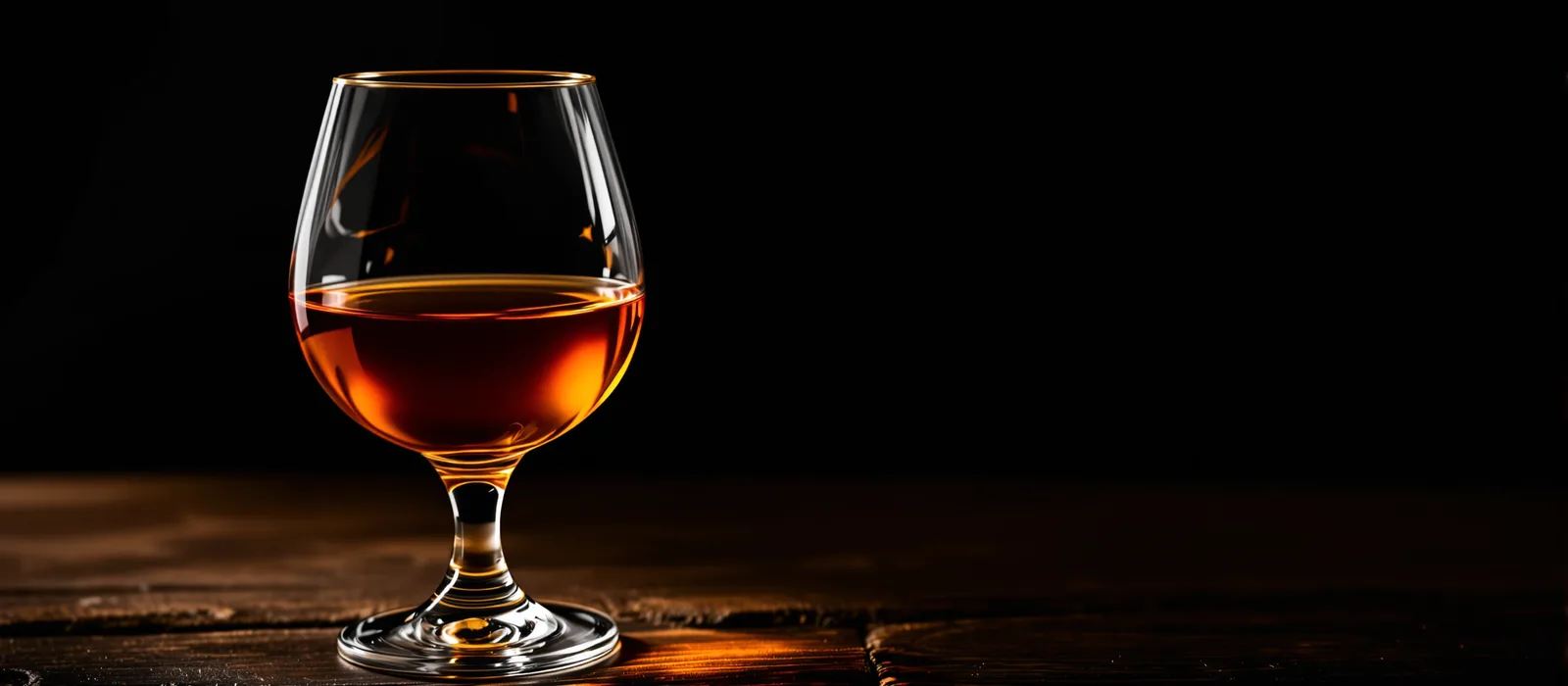
A 1938 vintage armagnac, a rarity
In the world of armagnac, the vintage refers to a brandy from a single harvest, whose year is written on the label. Age-statement armagnacs, VSOP, XO or hors d'âge, on the contrary marry several harvests. A 1938 therefore tells the story of a single year of wine, seen through a single cellar.
What makes it so rare is time. For a bottle of 1938 to still be available, a family had to keep this lot for nearly nine decades, without selling or blending it. Reserves from this era are tiny, and every bottle drawn from them is unique.
1938, a World Cup year in France
On 1 January 1938, the SNCF was born, bringing together the major French railway companies (source: Wikipedia, article "Société nationale des chemins de fer français"). A few months later, France hosted the third FIFA World Cup; Italy won it by beating Hungary in the final at Colombes, on 19 June 1938 (source: Wikipedia, article "Coupe du monde de football 1938"). In Gascony, the autumn harvest followed its usual rhythm. To our knowledge, no house describes the quality of this harvest: we therefore stick to the facts.
Jean Cavé's 1938 Bas-Armagnac
Our 1938 armagnac comes from the Jean Cavé house. In 1883, Jean Cavé, a winegrower, set up in Lannepax, in the Gers, as a distiller and cellar master, with his wife and two sons. Four generations later, Henri Cavé carries on this know-how. The family has assembled one of the most remarkable collections of old armagnacs in the appellation, with a paradis where demijohns dating from 1900 rest.
- Bas-Armagnac AOP, from the 1938 harvest only, without any blending;
- aged in Gascon oak casks, in the house's cellars;
- bottled brut de fût, with no added water; the exact strength is shown on the label;
- 70 cl bottle, delivered in a wooden box.
Be careful not to confuse brut de fût and single cask: the first means that no water has been added, the second that a single cask filled the bottles. The house claims brut de fût and the absence of blending, not single cask.
Bas-Armagnac and its grape varieties
The armagnac appellation, in the South West of France, is divided into three areas: Bas-Armagnac, Ténarèze and Haut-Armagnac. Lannepax belongs to Bas-Armagnac, whose tawny sands are reputed for fine and fruity brandies. Four grape varieties are mainly planted there: ugni blanc, baco, folle blanche and colombard. Folle blanche, a historic grape variety of Gascony, gives a delicate wine with floral notes; folle blanche is found in many armagnacs of great finesse, on its own or with the other grape varieties. For this 1938, the house does not specify the grape varieties.
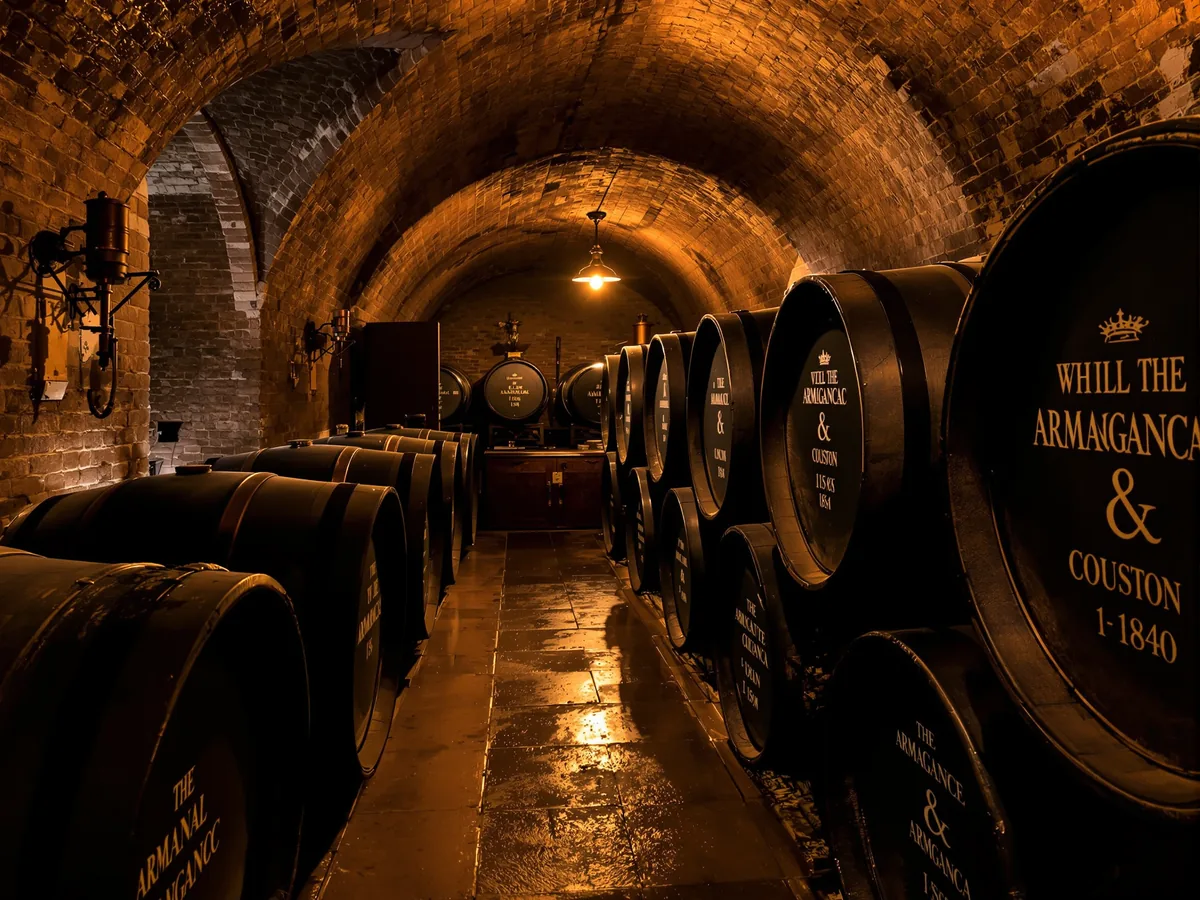
This dry, low-alcohol white wine is distilled continuously in the armagnac still, in a single heating, whereas cognac requires two. The brandy is then placed in oak casks, in the cellar, where the cellar master follows its development year after year, right up to the last day before bottling. The wood gives it its colour, its tannins and its bouquet; the alcohol slowly evaporates, this is the angels' share. Bottling stops the ageing.
The notes of an 88 year old armagnac
The house does not publish a tasting note for its 1938. It describes its old vintages as having a mahogany colour, sometimes darker with age, and woody, vanilla and cocoa notes. At this age, armagnacs also often evoke prune, dried fig, candied orange, coffee or rancio, with a full palate and a long finish.
For tasting, a tulip glass, a small measure at room temperature and ten minutes of waiting are all you need. As a digestif, among close friends and family, it is a great moment, and the best way to pay tribute to the art of the Gascon cellar masters.
Comparing with other Gascon houses
Our cellar brings together other estates, châteaux and houses of the region, for more recent years: Château de Laubade in Sorbets, Château de Millet in Eauze, Dartigalongue in Nogaro since 1838, Armagnac Delord, Jean Cavé's neighbour in Lannepax, Castarède, founded in 1832, Domaine de Pellehaut in Ténarèze, Baron de Sigognac or Clés des Ducs. A younger Laubade or Millet armagnac, tasted after this 1938, shows the effect of the years spent in wood.
Buying an old armagnac with confidence
Choosing an 88 year old armagnac online calls for a few reference points. In our shop, each product page shows the house, the appellation, the strength when it is known with certainty, the bottle size and the presentation. Our selection comes directly from the houses of the South West, and your order is carefully packed.
Legal reminder: in accordance with the French Public Health Code (art. L3342-1), the sale of alcoholic beverages to minors is prohibited, and proof that the buyer is of legal age may be required.
Giving a 1938 armagnac
In 2026, people born in 1938 celebrate their 88th birthday. A bottle from their year is a rare gift, to open with the family or to keep. The wooden box makes it ready to give. Collectors will place it between the 1937 armagnac and the 1939 armagnac.
Keep it upright, away from light and heat. Unopened, it will keep for decades; once opened, for several months.
Frequently asked questions about 1938 armagnac
What is the price of a 1938 armagnac?
The price depends on the rarity of the lot and its age; it is shown on the product page, with the bottle size and the house.
Where can I buy 1938 armagnac online?
In our Plaisirs de Gascogne shop, an online wine and spirits merchant dedicated to selling vintage armagnacs, to discover year by year: add to basket in a few clicks, secure payment, careful shipping and delivery in France and across Europe. Our customer service remains available to you before you buy.
What are the characteristics of the 1938 armagnac?
A Bas-Armagnac AOP from a single harvest, without blending, brut de fût, in 70 cl with a wooden box.
How should I taste a 1938 armagnac?
Neat, as a digestif, in a tulip glass, after a few minutes of breathing.
What are the risks of drinking armagnac?
Those of any alcohol: enjoy it in moderation, in small quantities, and never before driving.
Discover all our vintage armagnacs, year by year.
Please enjoy responsibly. Excessive alcohol consumption is harmful to health.