A 1915 vintage, a single harvest
When an armagnac bears a year, it contains only the wine of that harvest. Our 1915 was therefore distilled from the grapes of autumn 1915, then aged without ever being blended with other years, unlike a VSOP, an XO or a hors d'âge. This is what makes a dated armagnac unique: it keeps the trace of a single season, and of a single house.
1915, the year absinthe was banned
In 1915, as the war became bogged down, France banned absinthe, blamed for every ill; this ban would last until 2011 (source: Wikipedia, article "Absinthe"). It is an important moment in the history of French spirits. In the vineyards of the Gers, the harvest was brought in with a reduced workforce, as the men were at the front. We found no producer source on the quality of the 1915 harvest, so we do not characterise it.
Our 1915 armagnac: Jean Cavé, brut de fût
The bottle comes from the collection of old armagnacs of the Jean Cavé house. The label bears the words Bas-Armagnac AOP. According to the product sheet, the armagnac has undergone no blending: it is characteristic of its single year. It was bottled brut de fût, without water added to lower its strength; its exact strength is written on the label. The 70 cl bottle comes with a wooden box, a case that makes it a ready-to-give gift.
Brut de fût does not mean single cask: the product sheet does not specify whether this 1915 comes from a single cask, and we do not claim it. To compare, see our brut de fût armagnac page.
Jean Cavé, nearly a century and a half of patience
A winegrower, Jean Cavé settled in Lannepax in 1883 as a distiller and cellar master, with his wife and two sons. In 1915, the house was thirty-two years old. Four generations later, Henri Cavé carries on the continuous armagnac distillation, and the family keeps one of the most remarkable collections of old vintages in the appellation. Keeping a 1915 lot for more than a hundred years is a choice made by each generation.
Armagnac at a glance
- One region: Gascony, in the South West, with three terroirs, each with its own AOC: Bas-Armagnac, Ténarèze and Haut-Armagnac;
- four main grape varieties: ugni blanc, baco, folle blanche and colombard; before phylloxera, the vineyard was planted mainly with folle blanche, according to Wikipedia (article "Armagnac (eau-de-vie)");
- continuous distillation, in a single pass, in the armagnac still, whereas cognac is distilled twice;
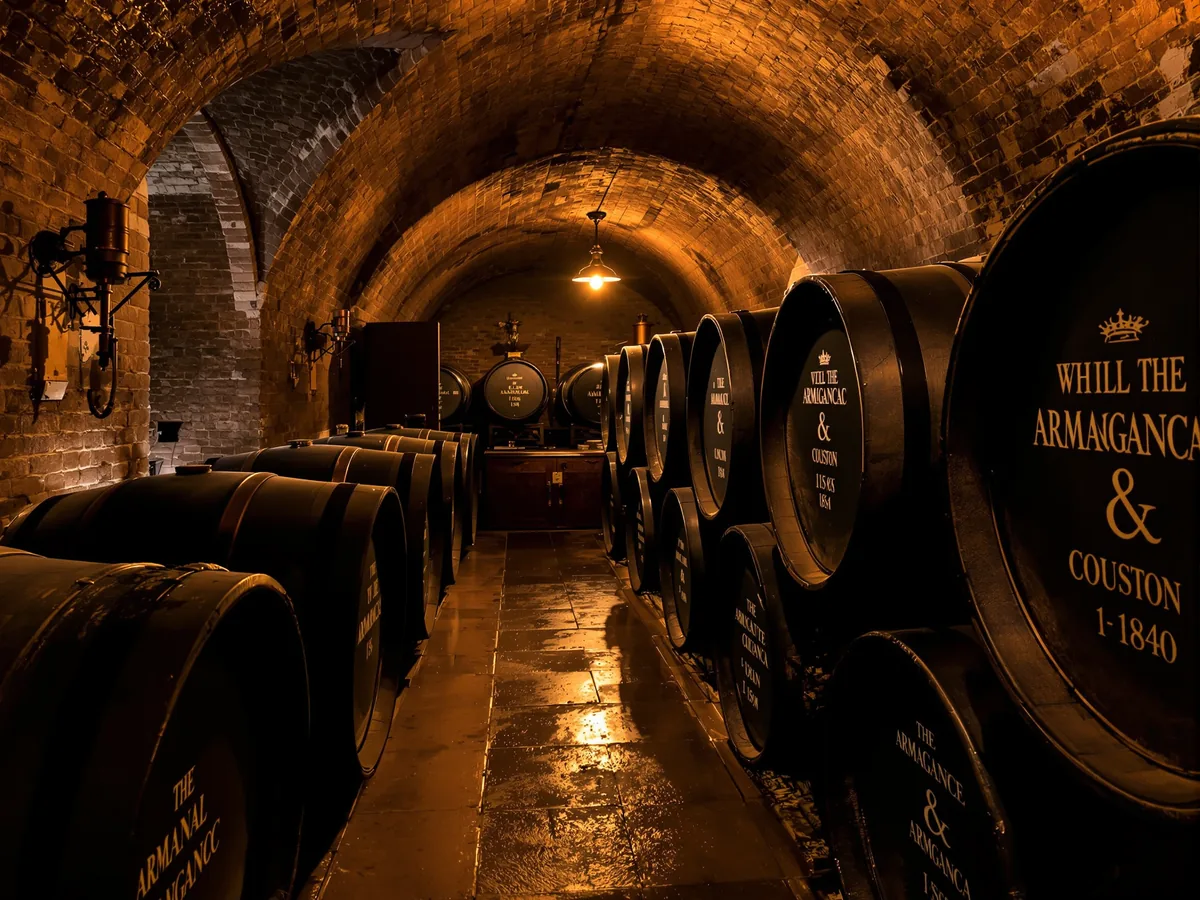
- ageing in oak casks, in the cellar, which gives armagnac its colour and its aromas;
- one rule: once in the bottle, armagnac no longer ages.
How to taste a 111 year old armagnac
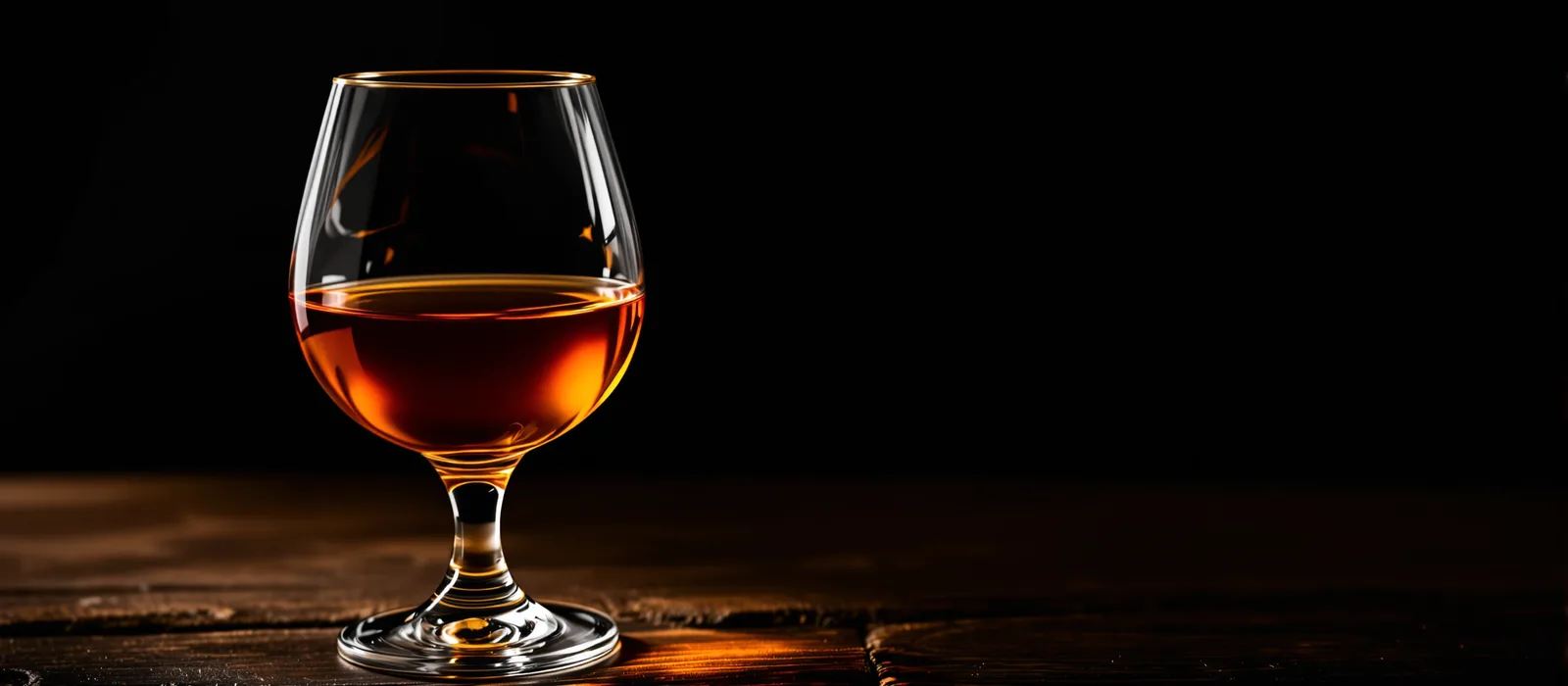
Jean Cavé does not publish a tasting note for this 1915, and we do not invent one. Armagnacs more than a century old often show a very dark mahogany colour, a nose of prune, dried fruit, polished wood and spices, and a long palate marked by rancio. Serve it at room temperature, in a tulip glass, in a small measure. As it is a brut de fût, let it breathe for several minutes, and do not hesitate to add a drop of water.
Giving a 1915 armagnac
A 1915 armagnac lends itself to gifts of remembrance: someone passionate about the Great War, a family commemoration, the anniversary of a company or a house founded that year, a collector of very old armagnacs. To keep it, store the bottle upright, in a dark, cool place.
Around this vintage, our shop offers the 1914 armagnac, with a Baron de Sigognac from Château de Bordeneuve, and the 1916 armagnac. For more recent years, also discover the armagnacs of Château de Laubade, Castarède, Dartigalongue, Armagnac Delord, Château de Millet, Laballe or Domaine de Pellehaut. At Château de Millet, the Dèche family estate near Eauze, as at Château de Laubade, in Sorbets, each estate has its own way of ageing armagnac; Castarède and Delord, family houses, have another. Something to suit every taste.
Frequently asked questions about 1915 armagnac
How much does a 1915 armagnac cost?
The price reflects the rarity of a 1915 armagnac, 111 years old, available in very small quantities. The price is shown on the product page, with the bottle size.
Where can I buy a 1915 armagnac?
On Plaisirs de Gascogne, an online shop specialising in vintage armagnac: add the bottle to your basket, pay for your order securely by bank card, and it is shipped to France and Europe. A question before buying? Our customer service team is ready to listen. The sale of alcoholic drinks is restricted to adults.
What are the characteristics of the 1915 armagnac?
A Bas-Armagnac AOP from Jean Cavé, from a single harvest, brut de fût, without blending, in 70 cl with a wooden box.
What are the reviews of the 1915 armagnac?
The house publishes no rating for this year, so we do not quote any reviews. Our view as wine merchants concerns its rarity.
What is the history of the 1915 armagnac?
That of a harvest brought in during the war, distilled in Bas-Armagnac and kept for more than a century by the Cavé family.
Discover all our vintage armagnacs, year by year.
Please enjoy responsibly. Excessive alcohol consumption is harmful to health.