The 1893 vintage, a nineteenth-century armagnac
A dated armagnac is the fruit of a single wine, from a single harvest, whose year appears on the label. It has nothing in common with a VSOP, an XO or a hors d'âge, which blend armagnacs of several ages to maintain a consistent style. A vintage, by contrast, tells the story of a single season. For an 1893, that season took place under the Third Republic, the very year Gascon vines saw the arrival of phylloxera.
1893, phylloxera reaches the Gers
According to Wikipedia (article "Armagnac (eau-de-vie)"), the vine disease reached the Gers from 1893 onwards, at a time when the Armagnac vineyard was at its largest, with 100,000 hectares, then planted mainly with folle blanche. A harvest from 1893 therefore belongs to the old Gascon vineyard, before the great reconstruction that followed. We found no producer source on the quality of this harvest, and we do not characterise it.
Our 1893 armagnac: Castarède
The bottle on this page is an 1893 Castarède armagnac, in 70 cl, delivered in a gift case. According to the house, this wine from a single year, distilled after the 1893 harvest and never blended, spent 125 years in cask before being bottled. It was bottled in 2018, at 40% ABV. The house recommends it as a digestif.
This detail matters: an armagnac no longer ages once in the bottle. This 1893 therefore spent more than a century in contact with wood, an ageing of rare length.
Castarède, a house from 1832
Founded in 1832, the Castarède house is one of the oldest merchant houses in Armagnac, still independent and family-run. It is led today by Florence Castarède, the sixth generation, from Château de Maniban, in Bas-Armagnac. The house is recognised as an Entreprise du Patrimoine Vivant (Living Heritage Company). In 1893, it already had more than sixty years of history: it is this family continuity that allowed this old armagnac to come through the years.
From vine to cask
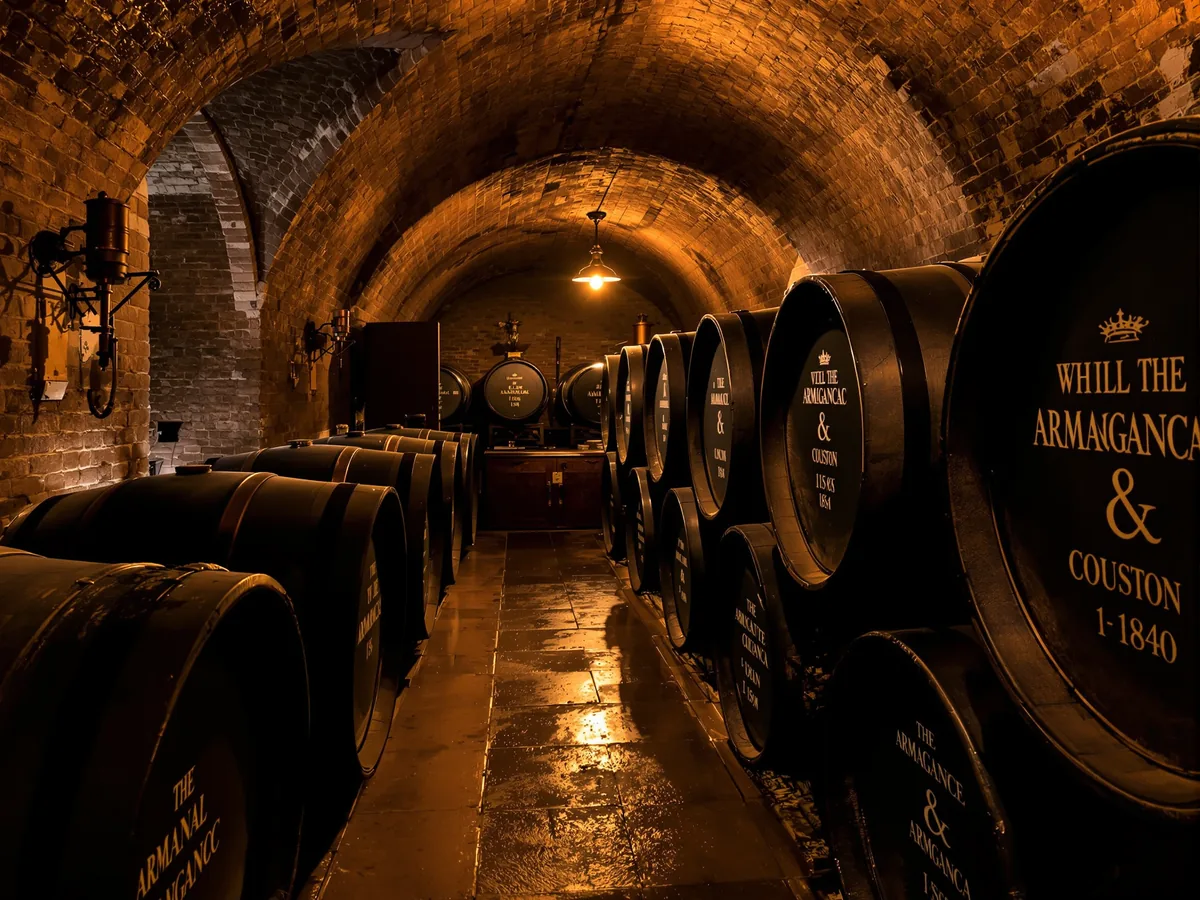
The Armagnac appellation brings together three terroirs of the South West: Bas-Armagnac, Ténarèze and Haut-Armagnac. The main grape varieties grown there are ugni blanc, baco, folle blanche and colombard. The resulting white wine, dry and low in alcohol, is distilled continuously, in a single pass, in the armagnac still, whereas cognac goes through the still twice. The distillate then goes into cask, in the cellar, where it gains colour, tannins and aromas while the alcohol slowly evaporates.
Tasting an 1893 armagnac
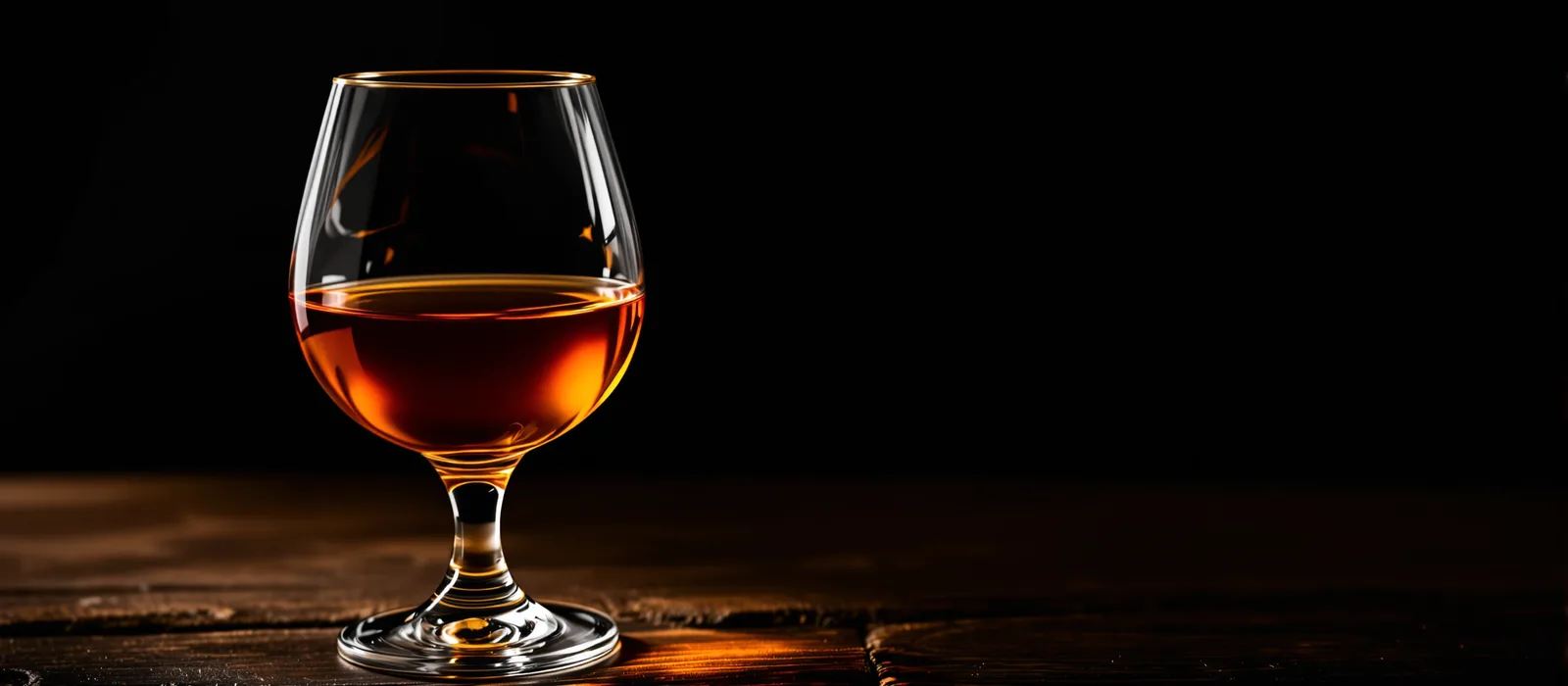
Castarède does not publish a tasting commentary for this year, and we do not invent one. Very old armagnacs often offer aromas of dried fruit, prune, polished wood and spices, with a note of rancio, a broad palate and a long finish. Serve it at room temperature, in a small measure, in a tulip glass, then let it open up for several minutes before tasting.
Giving an 1893 armagnac
At 133 years old, an 1893 armagnac no longer marks a birth: it celebrates a story. It is given for an exceptional event, the anniversary of a family house, a handing down between generations, or to bring a nineteenth-century bottle into a collection. Keep the bottle upright, away from light and heat.
For other very old years, see our 1888 armagnac, our 1898 armagnac or our 1900 armagnac. Our shop also brings together the years of other Gascon houses: Château de Laubade, Dartigalongue, Domaine de Pellehaut, Armagnac Delord or Jean Cavé, each with its own region, its own wine and its own tradition. A selection of Gascon spirits to discover, right up to the most recent years.
Frequently asked questions about 1893 armagnac
How much does an 1893 armagnac cost?
The price reflects the rarity of a vintage more than 130 years old. The price, bottle size and strength are shown on the bottle's product page.
Where can I buy an 1893 armagnac?
On Plaisirs de Gascogne, an online shop dedicated to vintage armagnac: add the bottle to your basket, pay for your order securely by bank card, with delivery in France and Europe. Our customer service team answers your questions before you buy.
What are the reviews of the 1893 armagnac?
The house does not publish a rating for this 1893 wine, so we do not quote any reviews. Our view as wine merchants rests on its rarity and its more than a century of ageing, which make it one of the finest gifts in our selection.
What types of armagnac can you find in our cellar?
Dated armagnacs, VSOP and XO blends, and brut de fût armagnacs, bottled without added water, from Château de Laubade, Domaine de Pellehaut or Dartigalongue.
What are the characteristics of the 1893 armagnac?
A Castarède from a single harvest, without blending, 125 years in cask, bottled in 2018 at 40% ABV, in 70 cl with a gift case.
What is the history of the 1893 armagnac?
That of a wine harvested the year phylloxera spread into the Gers, distilled the following winter, then kept for more than a century by a family house before being bottled.
Discover all our vintage armagnacs, year by year.
Please enjoy responsibly. Excessive alcohol consumption is harmful to health.



 Jean Cavé
113 bottles
 Armagnac Delord
92 bottles
 Château de Millet
83 bottles
 Dartigalongue
76 bottles
 Baron de Sigognac
69 bottles
 Armagnac Castarède
63 bottles
 Clés des Ducs
48 bottles
 Château de Laubade
43 bottles
 Domaine de Pellehaut
28 bottles
 Château de Bordeneuve
17 bottles
 Charles de Granville
13 bottles
 Roger Groult
7 bottles