What is a 1933 vintage?
Vintage armagnac is the expression of a single year of harvest. Everything in the bottle was harvested in 1933, distilled soon after, then aged without ever being mixed with another harvest. Age-statement armagnacs work differently: a VSOP, an XO or a hors d'âge is a blend of several years, designed to keep a consistent taste. A vintage, by contrast, captures a precise moment in the history of an estate.
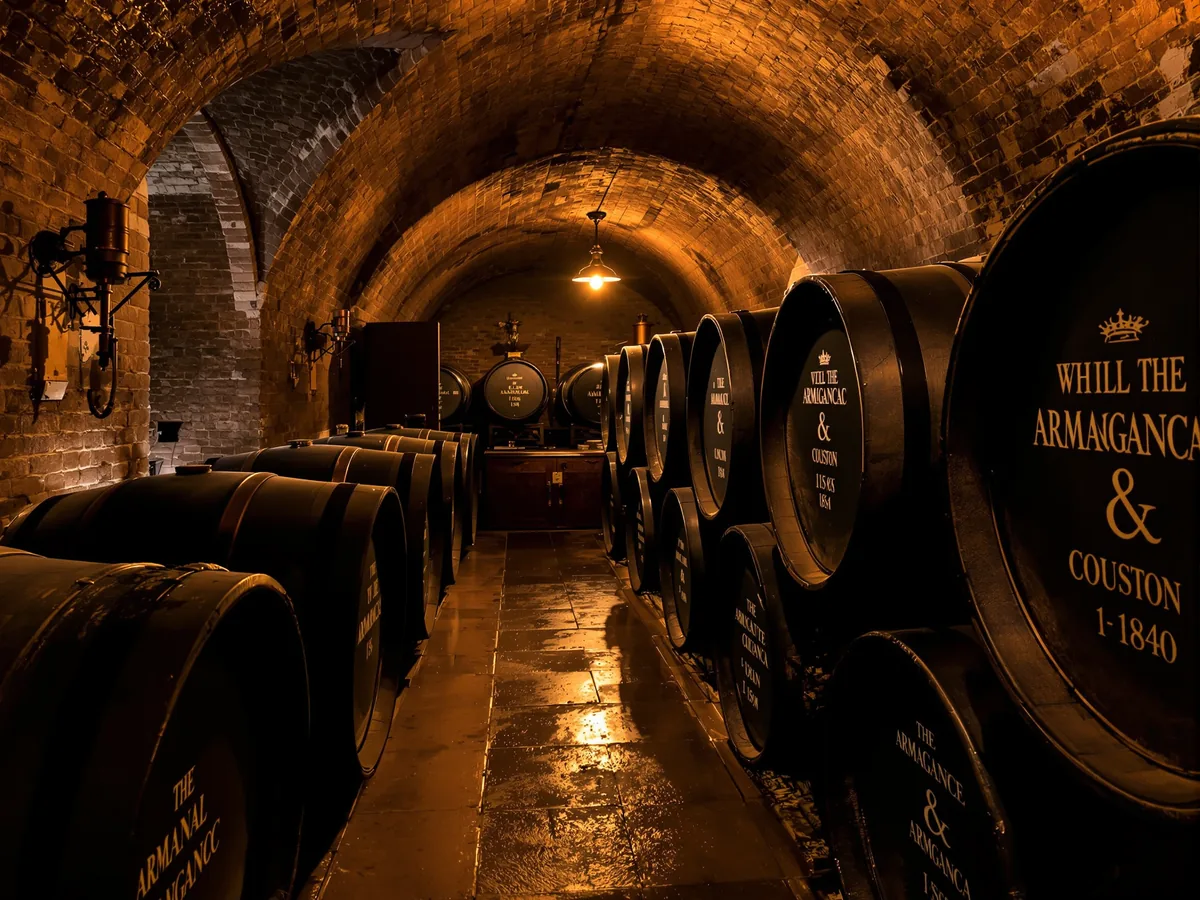
For some to remain in 2026, a family had to leave this lot to rest for three or four generations. Many casks from that era were sold, drunk or blended long ago. Those that remain yield a few bottles, rarely more.
The year 1933
In December 1933, the Prix Goncourt was awarded to André Malraux for La Condition humaine (Man's Fate), a novel set in Shanghai in 1927 (source: Wikipedia, article "La Condition humaine"). In the vineyards of Gascony, the autumn harvest gave, as every year, a white wine destined for the still. We found no information from the houses on the weather conditions or the quality of this harvest: we therefore let their bottles speak for themselves.
Two 1933 armagnacs to discover
- Baron de Sigognac: a 1933 at 40% ABV, from ugni blanc and baco, aged at Château de Bordeneuve, in Castelnau d'Auzan. A particularity of the house: its vintages are prepared to order only, which lets the armagnac refine until the last moment. The estate does not publish a tasting note for 1933, and we do not add one;
- Jean Cavé: a 1933 Bas-Armagnac AOP, without any blending, bottled brut de fût, and therefore with no added water, and presented in a wooden case. Its exact strength is shown on the label.
The bottling date is a valuable piece of information: armagnac only ages in wood. A 1933 bottled this year has therefore spent more time in the cellar than a 1933 bottled twenty years ago. For other unreduced brandies, see our selection of brut de fût armagnacs.
The families behind these bottles
The Guasch family, long rooted in Gascony, has owned Château de Bordeneuve since 1974. There it grows its ugni blanc and baco vines, distils in an almost century-old column still and ages each vintage separately, in the darkness of its cellars. The house describes the Sigognac style as round and fruity, with long finishes.
In Lannepax, the Jean Cavé house has existed since 1883. Its founder was a winegrower, distiller and cellar master; his descendants have built one of the richest collections of old vintages in the appellation, in casks and then in demijohns. Each year put on sale comes from this family reserve.
Three terroirs, four grape varieties
Armagnac is produced in Gascony, across three areas: Bas-Armagnac, Ténarèze and Haut-Armagnac. Our two 1933s come from Bas-Armagnac, whose sandy soils are well regarded for the finesse of their brandies. Four grape varieties dominate the appellation: ugni blanc, baco, folle blanche, a historic grape variety with floral aromas, and colombard. The dry, acidic wine is distilled continuously in the armagnac still, only once, whereas cognac goes through the still twice. Then comes ageing in oak casks, where the brandy gains its colour and its aromas.
Our two houses are located in the Gers, in the heart of the South West. Other estates of the region complete our shop for more recent years: Château de Laubade, Château de Millet, Dartigalongue, Armagnac Delord, Castarède or Domaine de Pellehaut, each with its own style. All of them make AOC armagnacs, from Bas-Armagnac to Ténarèze, in the great tradition of French brandies.
How to enjoy a 93 year old armagnac
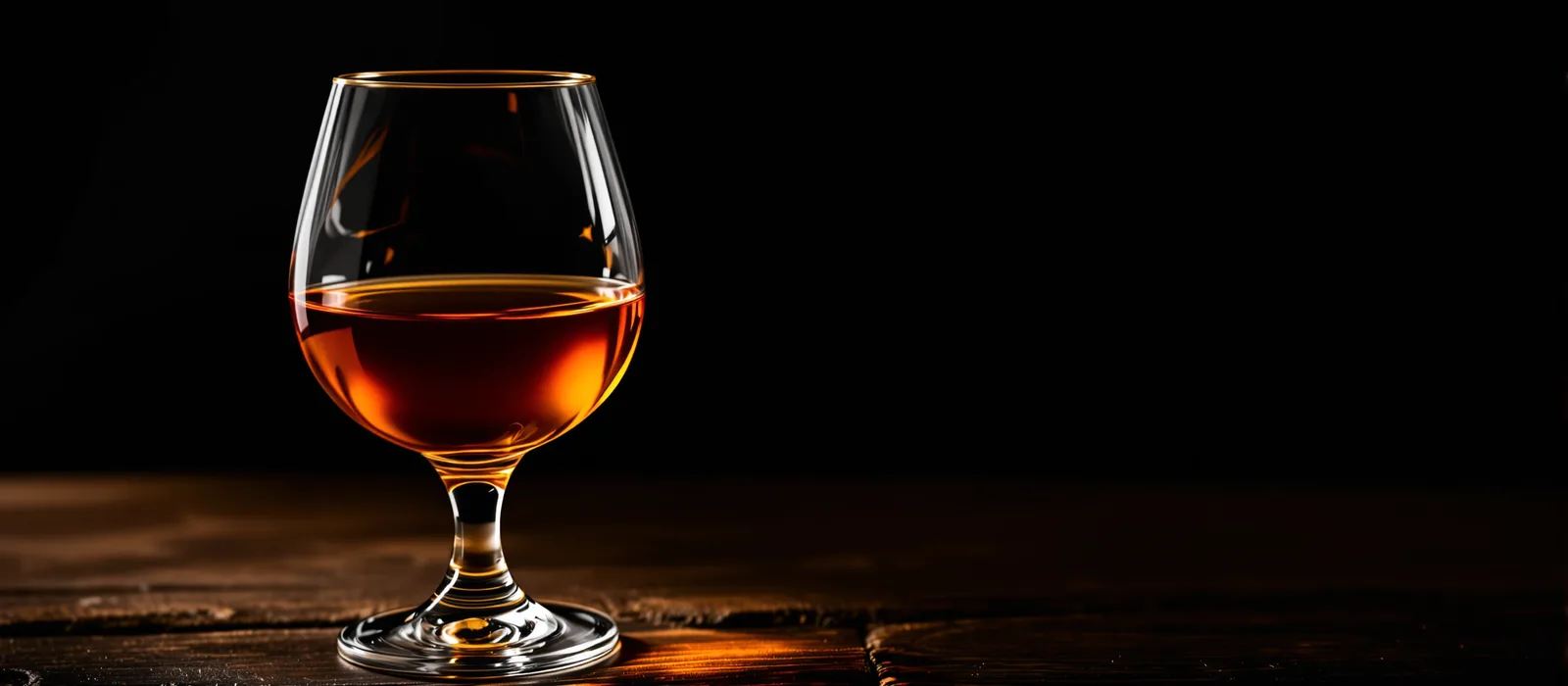
After such a long stay in cask, an armagnac generally shows a dark colour, from deep amber to mahogany. On the nose as on the palate, very old vintages readily evoke prune, candied fruit, walnut, vanilla, leather, sweet spices or rancio. Each bottle keeps its own personality, and that of a brut de fût expresses itself with more intensity than an armagnac reduced to 40% ABV.
At Baron de Sigognac, the notes published for other years speak of toasted dried fruit, coffee and dark chocolate; at Jean Cavé, the house describes a mahogany colour and woody, vanilla and cocoa aromas for its old vintages. Useful taste markers, though they do not amount to a tasting note for this particular 1933. If vanilla, rancio or prune appear on the palate, that will be the bottle's lovely surprise.
Serve it at room temperature, in a small measure, in a tulip glass. Wait a few minutes, breathe it in, then taste in small sips. It is a spirit for the end of a meal, to be savoured without haste. Our advice: taste it on its own first, then keep the empty glass for a few minutes; its colour on the sides of the glass and the lingering scent of rancio say a great deal about its age. And if you enjoy comparisons, a much younger vintage, for example from Château de Laubade or Dartigalongue, shows the journey an armagnac makes on the palate and in taste over the decades.
Giving a 1933 armagnac
In 2026, people born in 1933 celebrate their 93rd birthday. An armagnac from their birth year is a personal and rare gift, one that has aged at the same pace as they have. It will also find its place in a collection of vintages, alongside a 1932 armagnac or a 1936 armagnac.
Keep the bottle upright, away from light, in a cool and stable place. Unopened, it will keep for a very long time; once opened, it remains pleasant for several months.
Frequently asked questions about 1933 armagnac
How much does a 1933 armagnac cost?
The price depends on the house, the bottling method and the rarity of the lot. It is shown on each product page, along with the bottle size.
Where can I buy a 1933 armagnac online?
In our Plaisirs de Gascogne shop, an online wine and spirits merchant dedicated to vintage armagnacs: bottles sourced directly from the houses, sales restricted to adults, secure payment, protected parcels and delivery in France as well as across Europe. A question before you order? Our customer service will answer you.
What are the characteristics of the 1933 armagnac?
Two AOC armagnacs from Bas-Armagnac, from a single harvest: the Baron de Sigognac at 40% ABV, prepared to order, and the Jean Cavé brut de fût, in a wooden case.
Who are the producers of 1933 armagnac?
In our shop, Baron de Sigognac and Jean Cavé, two Bas-Armagnac family houses.
What is the history of the 1933 armagnac?
That of a wine harvested in the autumn of 1933, put through the still, then kept in cask for decades by families who chose not to sell it too early.
Find all our vintage armagnacs, year by year.
Please enjoy responsibly. Excessive alcohol consumption is harmful to health.



 Jean Cavé
113 bottles
 Armagnac Delord
92 bottles
 Baron de Sigognac
90 bottles
 Château de Millet
83 bottles
 Sempé
82 bottles
 Dartigalongue
77 bottles
 Marcel Trépout
72 bottles
 Clés des Ducs
67 bottles
 Château de Monluc
64 bottles
 Armagnac Castarède
63 bottles
 Château de Laubade
42 bottles
 Château de Bordeneuve
32 bottles