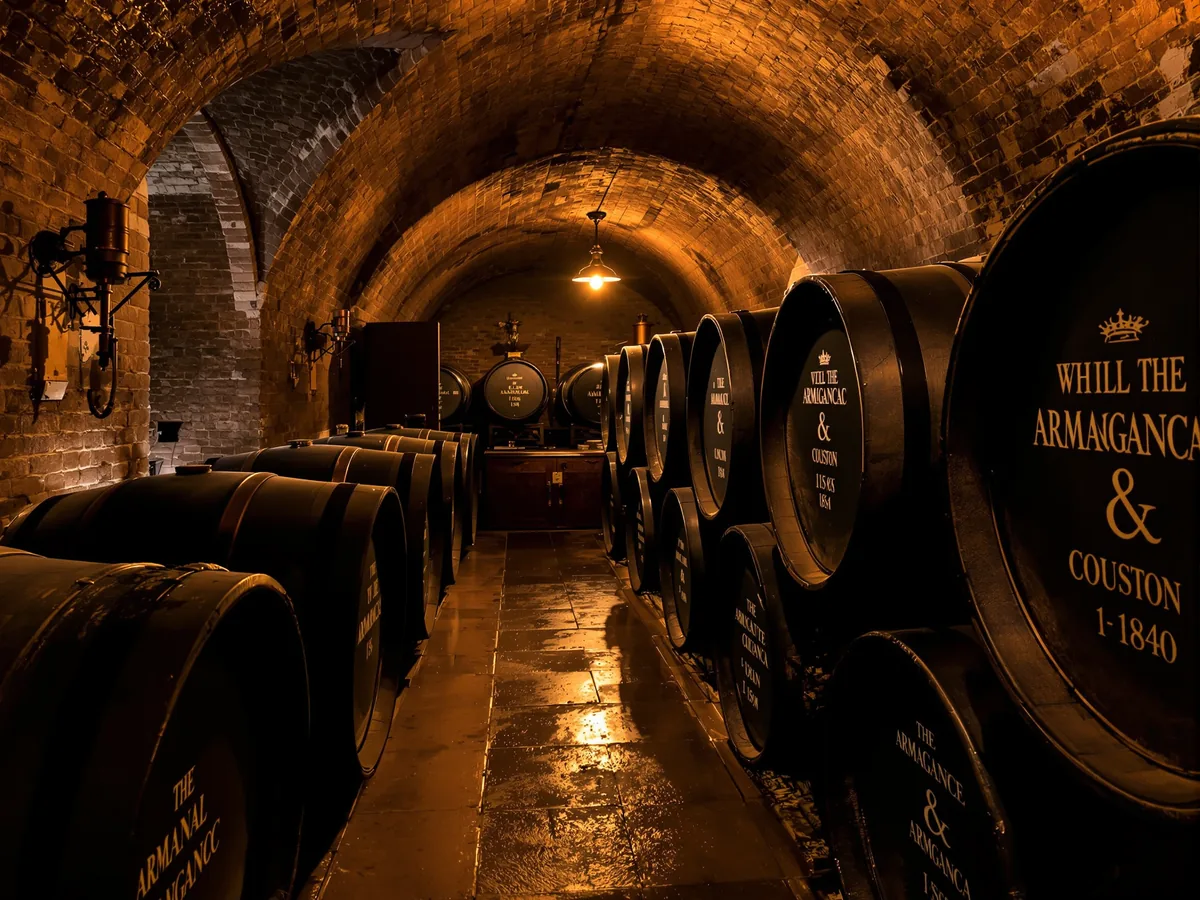
A century of endurance in wood
A vintage armagnac is the opposite of a blend. Where a VSOP, an XO or a hors d'âge combine several harvests, a vintage keeps only one: that of the year written on the label. A 1923 vintage is therefore the trace of a single season in a single cellar, with no touch-up from another year.
Crossing a century also takes resilience. Every year, part of the brandy evaporates through the staves, what is charmingly called the angels' share. After a hundred years, only a small part of a cask's original volume remains: this is one of the reasons why bottles from 1923 are so few.
1923, the first 24 Hours of Le Mans
On 26 and 27 May 1923, the Sarthe hosted the very first 24 Hours of Le Mans, an endurance motor race that has become one of the most famous in the world (source: Wikipedia, article "24 Heures du Mans 1923"). The same year, in Germany, hyperinflation sent prices soaring to the point where the mark was worth almost nothing (source: Wikipedia, article "Hyperinflation de la république de Weimar"). In Gascony, the grapes of autumn 1923 were pressed, then their wine distilled the following winter. We found no producer source on the quality of this harvest, so we do not describe it.
Our 1923 armagnacs, two Bas-Armagnac houses
- Jean Cavé: a 1923 Bas-Armagnac AOP, taken from the family's collection of old years. It has undergone no blending and was bottled brut de fût, that is, at its natural strength, with no added water; this strength is shown on the label. The 70 cl bottle comes in a wooden box;
- Baron de Sigognac: a 1923 at 40% ABV, made from ugni blanc and baco, kept at Château de Bordeneuve. The house prepares its vintages only to order and shows the bottling date on the back, a valuable piece of information: this date tells you how long the brandy spent in wood. It does not publish a tasting commentary for 1923.
One has been reduced to 40% ABV for a smoother tasting, the other keeps all its original vigour. If the second style tempts you, see also our brut de fût armagnacs from other years.
Single cask, brut de fût: what do they mean?
In the world of old armagnacs, two expressions come up often. A single cask is a bottle drawn from one cask only, with no mixing with another: each single cask is therefore unique, down to its strength. Brut de fût, for its part, refers to a brandy bottled without reduction, at its natural strength. The two do not necessarily go together: a single cask may have been reduced, and a brut de fût may bring together several casks from the same year. The same logic applies in cognac, where single cask bottlings remain rare. For our two 1923s, the product pages do not state that they are single casks, so we do not claim it. The term single cask comes from Scotch whisky; in armagnac, people also speak of fût unique. What is certain is that the Jean Cavé is a brut de fût and that neither bottle mixes in other years.
Should you prefer a single cask? Not necessarily. A vintage drawn from several casks of the same year can be just as fascinating as a single cask; a single cask mainly offers the singularity of a tiny lot, often numbered. Remember that the single cask mention, when it exists, appears on the label: without it, it is best not to assume it.
Two families, two ways of keeping time
Jean Cavé set up in Lannepax, in the Gers, in 1883, as a winegrower, distiller and cellar master. Today, Henri Cavé, of the fourth generation, watches over one of the most remarkable collections of old vintages in the appellation. Some of these brandies rest in glass demijohns, stored in the paradis of the cellar: once out of the wood, the armagnac is as if frozen in time.
In Castelnau d'Auzan, Château de Bordeneuve has belonged to the Guasch family since 1974. The Baron de Sigognac armagnacs are aged there in small quantities, and each vintage ages separately; the estate keeps years going back to 1893. The house describes its style as round and fruity, with age bringing notes of toasted dried fruit, roasted coffee and dark chocolate.
Our shop brings together other producers of the South West for more recent vintages: Château de Laubade, Castarède, Delord, Dartigalongue, Clés des Ducs, Château de Millet and Domaine de Pellehaut.
The path of an armagnac, from vine to glass
At the start there is a dry white wine, made from ugni blanc, baco, folle blanche or colombard. Folle blanche is the historic grape variety of Gascony: delicate to grow, it declined after phylloxera, but folle blanche is still sought after for the floral finesse of its brandies. Pure folle blanche armagnacs are rare today; our two 1923s do not claim to be, since the Sigognac combines ugni blanc and baco and the Jean Cavé product page does not specify the grape varieties. If folle blanche interests you, ask our customer service team for advice: some estates offer it in younger vintages. During the winter, this wine goes just once through the armagnac still, which distils continuously; cognac, for its part, is distilled twice. The distillate then goes into an oak cask and begins a long period of ageing. The wood gives it colour and tannins, the air rounds it out, evaporation concentrates it. Once bottled, it stops evolving: the time spent in wood makes its age.
The appellation has three terroirs: Bas-Armagnac, where our two 1923s come from, Ténarèze and Haut-Armagnac. The tawny sands of Bas-Armagnac are renowned for giving fine, fruity brandies.
Buying with confidence in our shop
Plaisirs de Gascogne is an online shop devoted to armagnac and the spirits of the South West. For each bottle, the product page gathers the useful information: provenance, house, bottle size, alcohol content, as given by the producers. You can also discover each house on its own page, and explore other years from Château de Millet, Dartigalongue or Domaine de Pellehaut. Ordering takes just a few clicks: add to basket, choose delivery, pay securely. Each parcel is carefully prepared for France and Europe. And if you are hesitating between our two 1923s, our customer service team will answer your questions.
The moment of tasting
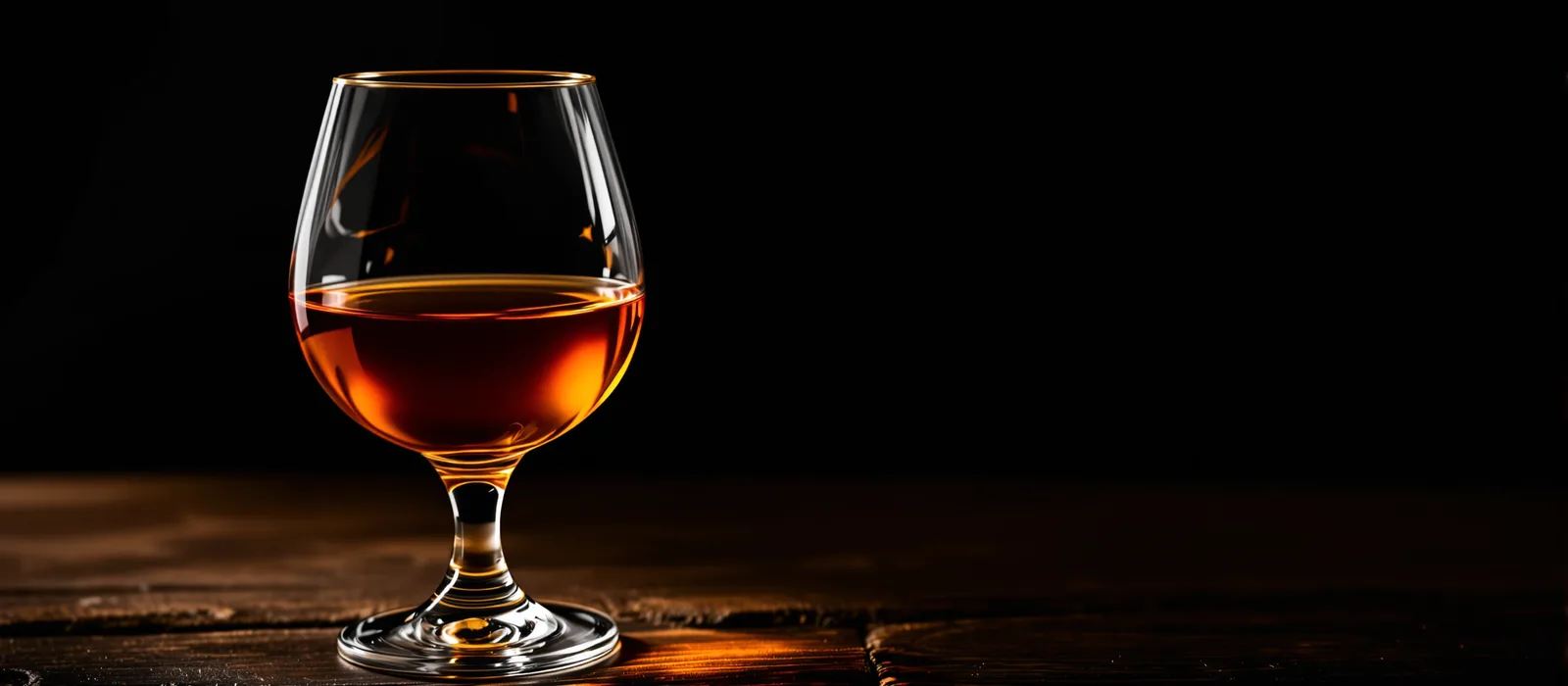
A 103-year-old armagnac deserves a little ceremony. A tulip glass, a small measure, room temperature, and ten minutes or so of waiting before the first sip. Very old armagnacs often reveal aromas of prune, dried fig, walnut, cocoa or sweet spices, sometimes with the rancio of long ageing; no two are quite alike. With the brut de fût, go gently: a few drops of water can help the aromas express themselves.
Once home, the bottle should be kept upright, in a dark, cool place. Unopened, it can wait a long time; opened, it stays lovely for several months.
For whom, and for what occasion?
A 1923 marks exceptional anniversaries: the 103rd birthday of a grandparent, the centenary just past of a house or a business, or simply the arrival of a major piece in a cellar. For a motor racing enthusiast, the year of the first Le Mans race gives this gift added meaning. It naturally finds its place between our 1922 armagnac and our 1924 armagnac.
Frequently asked questions about 1923 armagnac
What is the price of a 1923 armagnac?
It varies with the house and the bottling. Each product page shows the price, the bottle size and the strength of the bottle.
Where can I buy a 1923 armagnac?
In our Plaisirs de Gascogne online shop, specialising in vintage armagnac: add the bottle to your basket, choose secure payment, and delivery is available in France and across Europe, in careful packaging. Our customer service team is on hand for any question before you buy.
Where do your 1923 armagnacs come from?
Both come from Bas-Armagnac, a provenance shown on each product page, in the Gers: from Lannepax for Jean Cavé, and from Château de Bordeneuve, in Castelnau d'Auzan, for Baron de Sigognac.
Which producers offer a 1923 armagnac?
In our shop, Jean Cavé and Baron de Sigognac, both in Bas-Armagnac.
What are the characteristics of the 1923 armagnac?
Two 70 cl bottles from a single harvest: a Baron de Sigognac at 40% ABV, from ugni blanc and baco, and a Jean Cavé brut de fût, unblended, in a wooden box.
Which grape varieties go into the 1923 armagnac?
Ugni blanc and baco for the Baron de Sigognac, according to its product page; the Jean Cavé product page does not specify the grape varieties. Neither is presented as a folle blanche: for this grape variety, see the recent vintages in our shop, where folle blanche is part of the planting at some estates, such as Château de Laubade.
How should I taste the 1923 armagnac?
At room temperature, in a small measure, after letting it breathe in a tulip glass.
Is payment secure?
Yes: the transaction takes place on a secure payment page, and logging in to your account is secure as well.
Where can I find the terms of sale?
Our general terms and conditions of sale (CGV), accessible from every page of the site, set out the buyer's rights, delivery methods in France and Europe, and lead times. If in doubt, the buyer can also contact our customer service team before confirming their basket.
Do I need to be of legal age to order?
Yes. In accordance with article L3342-1 of the French Public Health Code, the sale of alcoholic beverages to minors is prohibited, and proof of age may be required. Excessive alcohol consumption harms health: an armagnac of this quality is savoured in moderation.
Browse all our vintage armagnacs, year by year.
Please enjoy responsibly. Excessive alcohol consumption is harmful to health.



 Jean Cavé
113 bottles
 Armagnac Delord
92 bottles
 Baron de Sigognac
90 bottles
 Château de Millet
83 bottles
 Sempé
82 bottles
 Dartigalongue
77 bottles
 Marcel Trépout
72 bottles
 Clés des Ducs
67 bottles
 Château de Monluc
64 bottles
 Armagnac Castarède
63 bottles
 Château de Laubade
42 bottles
 Château de Bordeneuve
32 bottles