67 in 2026: giving the year 1959
In 2026, people born in 1959 celebrate their 67th birthday, and couples married that year their 67th wedding anniversary. A 1959 armagnac has lived through these decades alongside them: harvested and distilled in the year of their birth or their marriage, then kept in oak casks in a Gascon cellar. It is one of the few gifts that bears the exact year, to open on the day of the celebration or to keep in a collection for another great occasion.
Each of our three bottles is a 70 cl. The one from the house founded in 1832 comes in a gift case; for the others, the product page specifies the presentation.
1959, the dawn of the Fifth Republic
In January 1959, General de Gaulle became the first president of the Fifth Republic, and the same year saw the victory of the Cuban revolution led by Fidel Castro. In the South West, Gascon winegrowers harvested in the autumn as they did every year. For a 1959 armagnac to still exist today, a house had to keep its casks for more than six decades: that is what makes this vintage so precious.
Our three 1959 armagnacs, house by house
Three houses, three estates, three styles, one single harvest. Here is what each of them made of the 1959 crop:
Armagnac Castarède, 61 years in cask
Founded in 1832, Armagnac Castarède is one of the oldest merchant houses in the appellation, still family-owned and independent, and now run by Florence Castarède from Château de Maniban, in the heart of Bas-Armagnac. Its 1959 is a single-year armagnac, with no blending, which spent 61 years in oak casks before being bottled in 2020. It is 40% ABV and comes in a 70 cl bottle, in its gift case.
Baron de Sigognac, aged at Château de Bordeneuve
Baron de Sigognac armagnacs are aged at Château de Bordeneuve, in Castelnau-d'Auzan, by the Guasch family, who keep vintages going back to 1893 in their cellars and age each year separately. The 1959, made from ugni blanc and baco, is 40% ABV. Its colour is orange with golden glints; the nose, fresh and elegant, suggests violet and raspberry; the palate is supple and harmonious, with a lovely finish of woodland berries and delicate oak.
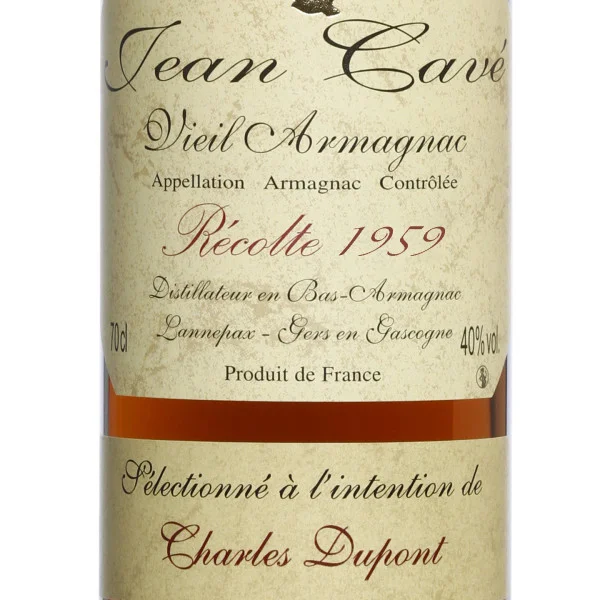
Jean Cavé, a brut de fût at 41.2% ABV
Based in Lannepax since 1883, the house of Jean Cavé, a distiller and ageing house, has built up over the generations one of the most remarkable collections of old vintages in the appellation. Its 1959 is a brut de fût (cask strength, not reduced): the brandy is bottled without reduction, at its natural strength of 41.2% ABV, with no blending whatsoever. For lovers of armagnac just as it comes out of the cask, this is the one to choose, and you will also find it among our cask strength armagnacs.
How a 1959 vintage armagnac is born
A vintage armagnac bears the name of one year only: the year the grapes were harvested, made into wine and then distilled. It all starts with a dry white wine made from the grape varieties of the appellation: ugni blanc, baco, folle blanche and colombard. Folle blanche, Gascony's historic grape, has become rare, but some houses still grow it, such as the family vineyard at Château de Maniban. Folle blanche is said to bring finesse and floral notes; together with ugni blanc and baco, it makes up the palette of Bas-Armagnacs. In winter, the wine goes through the armagnac still, in continuous distillation, following the tradition of the South West.
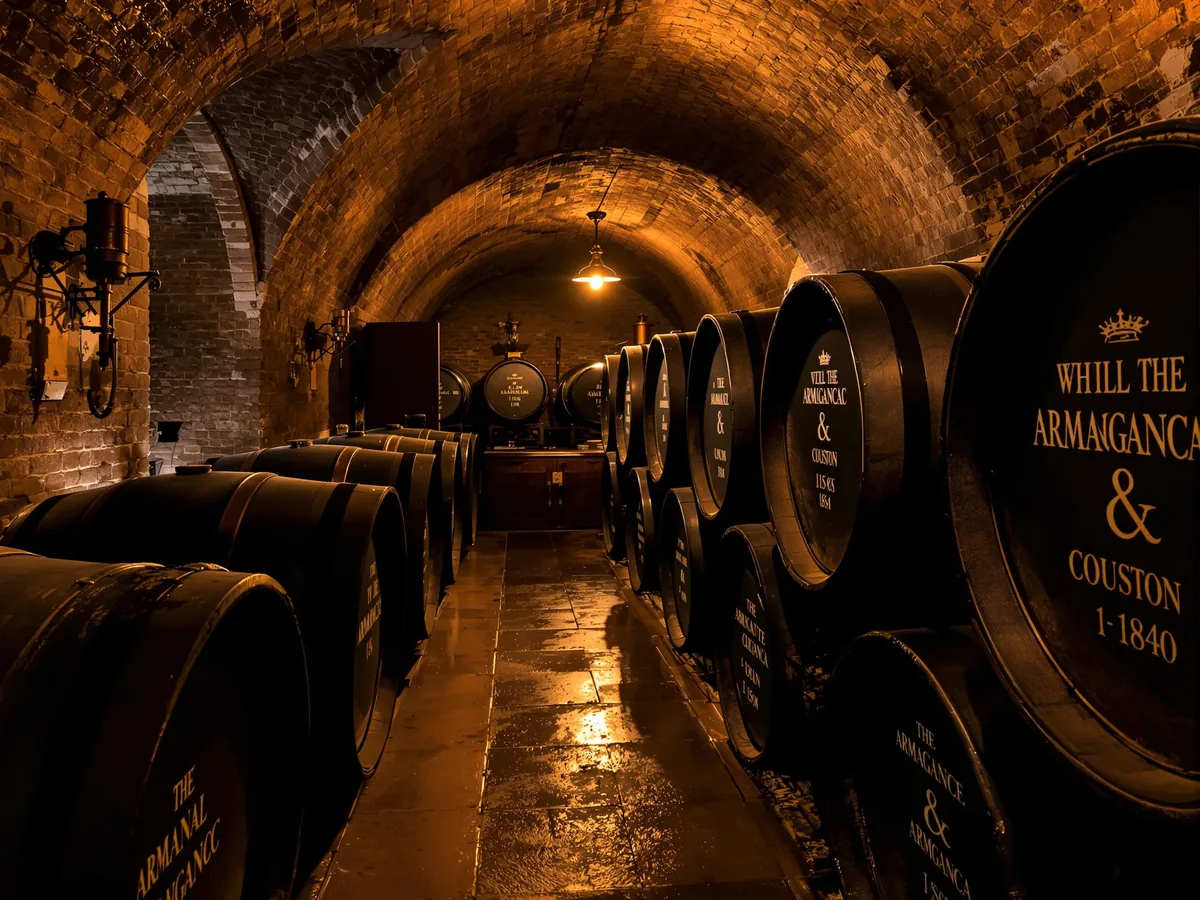
The still colourless spirit then goes into oak casks. Year after year, it breathes through the wood, loses a little alcohol, takes on its amber colour and then its mahogany hues, and gains aromatic complexity. When the cellar master judges it ready, it is bottled, and its ageing stops: an armagnac only evolves in the cask. The bottling date, when shown, therefore tells you how long your 1959 really spent in wood.
Unlike an XO or a hors d'âge, which blend brandies of several ages, a vintage contains the harvest of one single year. That is what allows you to give precisely 1959.
Tasting an armagnac over 60 years old
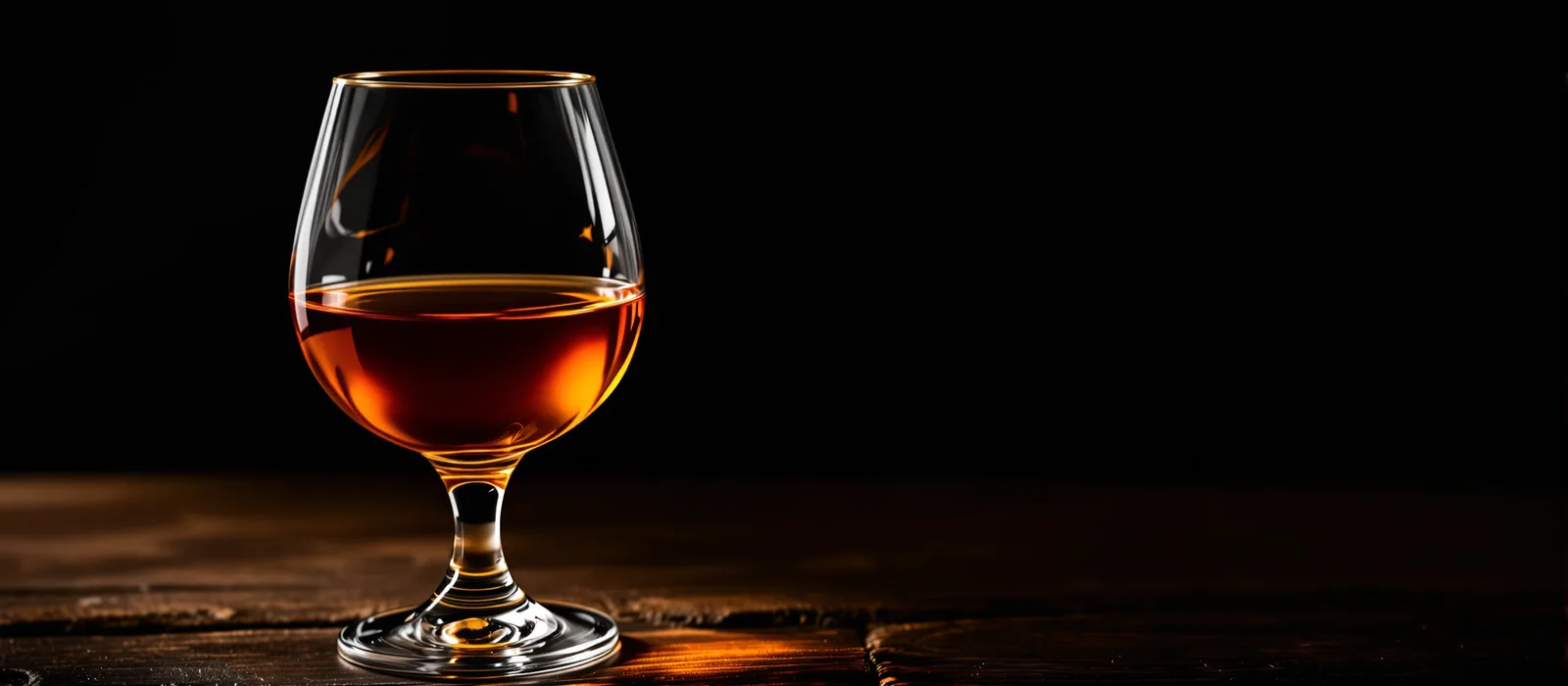
An old armagnac of this age is to be savoured slowly. Serve it at room temperature, in a tulip glass, without ice. First look at its colour, then bring your nose closer little by little: very old brandies often reveal candied fruit, prune, vanilla, sweet spices and sometimes rancio. Yet each bottle keeps its own character: fruity freshness at Sigognac, the natural power of Jean Cavé's brut de fût, the mellowness of long ageing at Château de Maniban. On the palate, a small sip is enough; the flavour lingers for a long time.
Once opened, keep the bottle upright, away from light and heat: it will keep for several months. Unopened, it will go through the years without losing its qualities.
Frequently asked questions about 1959 armagnac
What is the best bottle of 1959 armagnac?
It all depends on your taste. For freshness and fruit, Baron de Sigognac's 1959, with its aromas of violet and raspberry; for a long-aged, mellow armagnac, Castarède's; for natural power, Jean Cavé's brut de fût.
Which grape varieties make up a 1959 armagnac?
The grape varieties of the appellation: ugni blanc, baco, folle blanche and colombard. Baron de Sigognac's 1959 combines ugni blanc and baco; for the other bottles, each estate keeps its own recipe, in which folle blanche remains Gascony's historic grape.
Which 1959 armagnac producers are available?
We offer 1959 vintages from three Gascon houses: Castarède (Château de Maniban), Baron de Sigognac (Château de Bordeneuve) and Jean Cavé, the latter as a brut de fût. Jean Cavé and Baron de Sigognac present their 1959 as AOC Bas-Armagnac; the Castarède house is based at Château de Maniban, in the heart of Bas-Armagnac. Each product page details the estate, the strength and the bottle size.
How much does a 1959 armagnac cost?
The price of a 1959 armagnac depends on the house, the strength and the bottling method, reduced or brut de fût. Above all, it reflects rarity: few houses still have casks from this year. Each product page shows the price of the bottle.
Where can I buy a 1959 vintage armagnac?
At Plaisirs de Gascogne, an online shop specialising in vintage armagnacs: the bottles come directly from the Gascon houses, payment for your order is secure, and shipping is handled with care, in France and across Europe, in packaging suited to delivering an old spirit. Your order is prepared bottle by bottle.
Is a 1959 armagnac still good?
Yes. Armagnac stops ageing as soon as it leaves the cask. Properly stored, upright and away from light, a bottle of 1959 tastes today just as it did on the day it was bottled.
Also discover the 1956 armagnac and all our vintage armagnacs, year by year.
Please enjoy responsibly. Excessive alcohol consumption is harmful to health.