The 1898 vintage, a single harvest
On the label of a vintage armagnac, the year is not an average age: it is the date of a single harvest. All the wine distilled for this bottle was harvested in 1898, and the armagnac has never been mixed with any other. Blends such as VSOP or XO follow a different logic, that of a consistent style, as with cognac. A vintage, on the contrary, keeps the signature of its season and its cellar.
1898: the Dreyfus affair and radium
On 13 January 1898, the newspaper L'Aurore published "J'accuse...!", Émile Zola's open letter to the President of the Republic Félix Faure, at the heart of the Dreyfus affair (source: Wikipedia, article "J'accuse...!"). In December of the same year, Marie and Pierre Curie announced the discovery of radium (source: Wikipedia, article "Radium"). In Gascony, the vines were then suffering the onslaught of phylloxera, which had reached the Gers from 1893 onwards according to Wikipedia (article "Armagnac (eau-de-vie)"). No producer source describes the 1898 harvest, so we do not judge it.
Our 1898 armagnac by Jean Cavé
Our 1898 comes from the collection of old vintages of the Jean Cavé house. The label bears the words Bas-Armagnac AOP, and the product sheet specifies three things: a single harvest, no blending, and bottling as brut de fût, without added water. The 70 cl bottle is presented in a wooden box. The exact strength is the one shown on the label.
Brut de fût means that the armagnac has not been reduced: it keeps the strength to which time has brought it. To compare several of these bottles left in their natural state, see our selection of brut de fût armagnacs.
Lannepax, a family's patience
Jean Cavé settled in Lannepax in 1883, with his wife and two sons, as a winegrower, distiller and cellar master. In 1898, the house was only fifteen years old. Four generations have followed; Henri Cavé represents it today. Over time, the family has gathered one of the most remarkable collections of old armagnacs in the appellation, part of which rests in the "paradis", the corner of the cellar reserved for the most precious treasures.
From white wine to armagnac
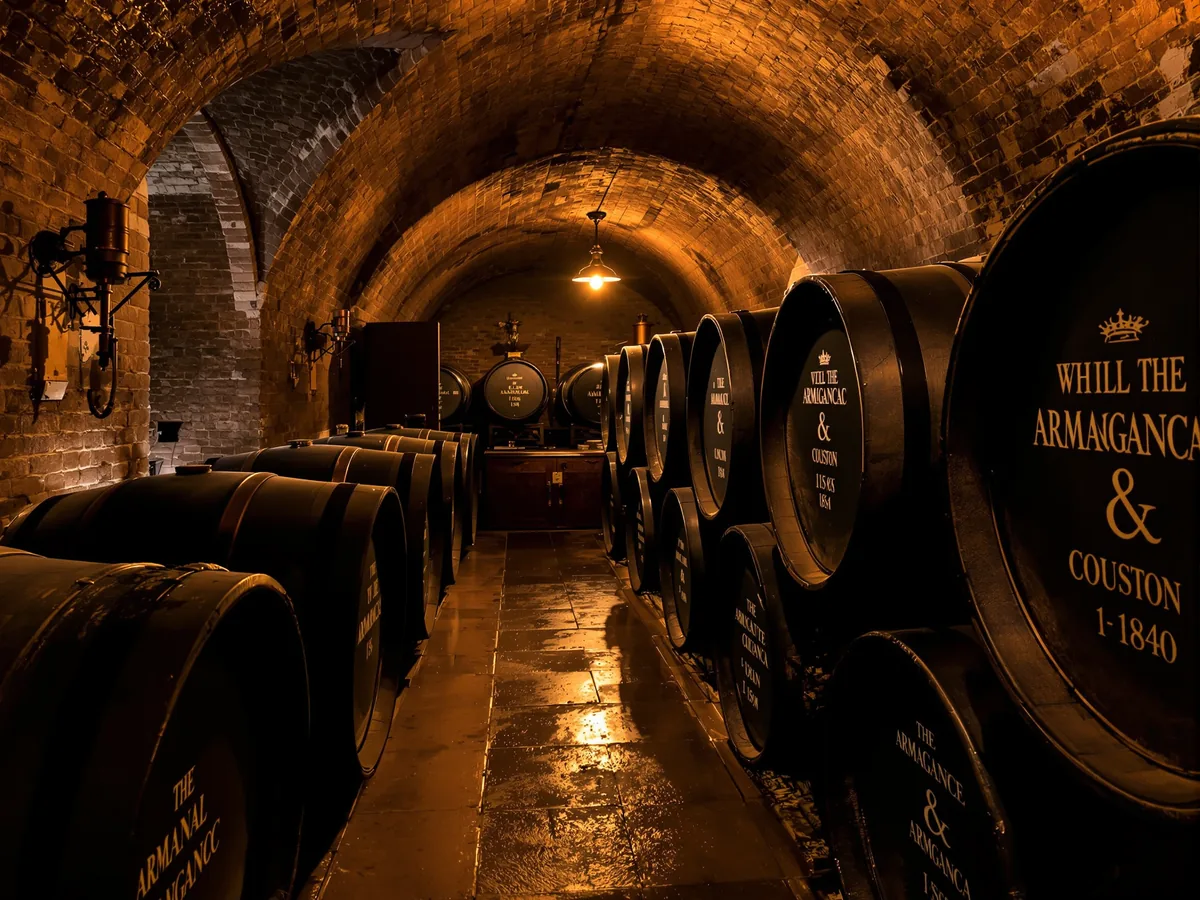
It all begins with a dry white wine from the South West, made from the appellation's grape varieties: ugni blanc, baco blanc, folle blanche and colombard. Before phylloxera, the Gascon vineyard gave pride of place to folle blanche, the old-generation grape variety of armagnac. In the winter following the harvest, this wine goes into the armagnac still, in continuous distillation and in a single pass. The colourless spirit then goes down into oak casks, where it slowly takes on its colour, its tannins and its aromas. The appellation covers three terroirs, each with its own AOC: Bas-Armagnac, Ténarèze and Haut-Armagnac; our 1898 comes from the first, the most renowned area of the AOC for the finesse of its brandies.
Good to know: an armagnac no longer ages once in the bottle. What it has gained, it gained in wood, then sometimes in glass demijohns, where the oldest lots are put to rest.
The taste of a 128 year old armagnac
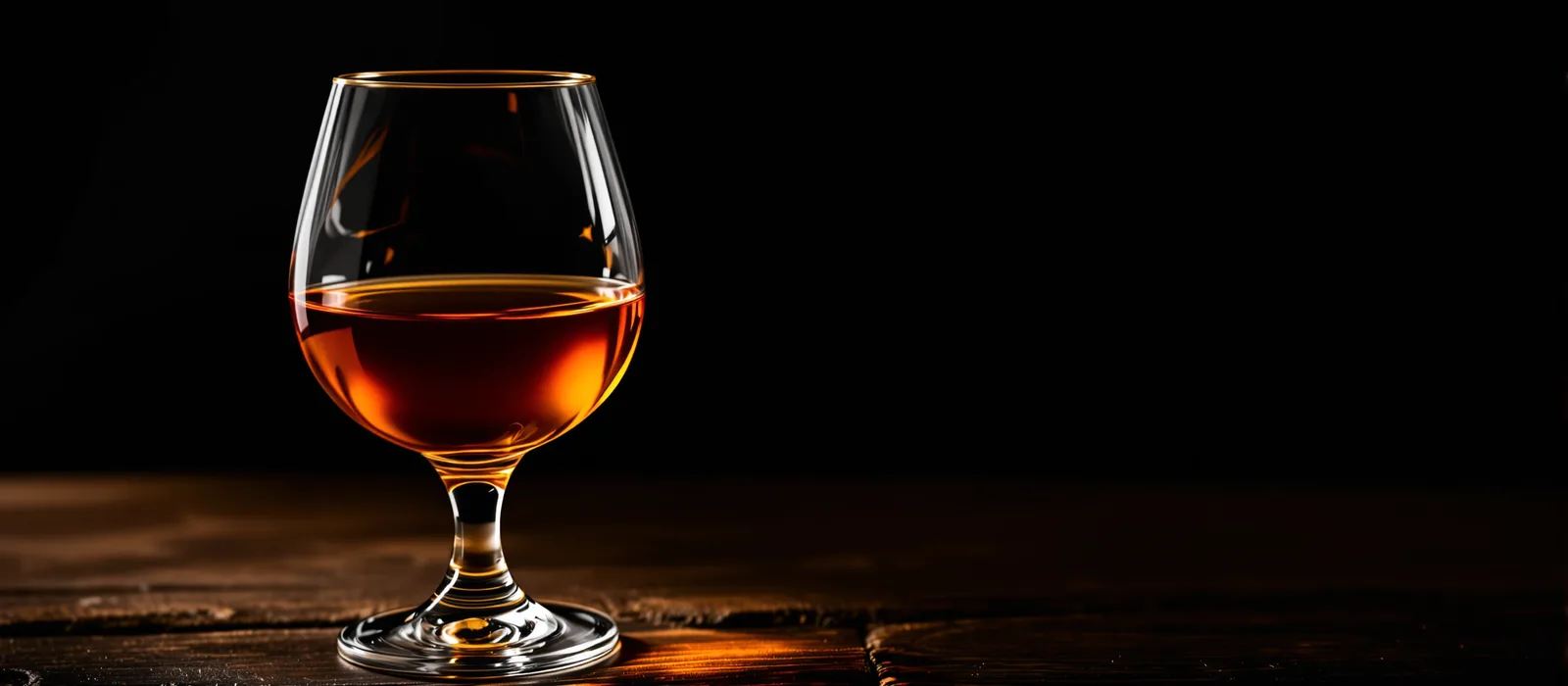
The house does not publish a tasting note for its 1898, and we do not attribute one to it. Very old armagnacs often show a deep mahogany colour, aromas of dried fruit, prune, leather and spices, and the rancio that is the signature of long ageing. On the palate, a brut de fût can be powerful: a few drops of water sometimes help it to open up.
A rare gift for lovers of the past
An 1898 armagnac no longer corresponds to a birth. It is chosen for a collector, for someone passionate about the Belle Époque, to celebrate the heritage of a family or a house, or simply to own a witness of the nineteenth century. Store the bottle upright, somewhere cool and dark, so that the alcohol does not touch the cork.
Our other very old vintages: the 1893 armagnac from Castarède and the 1900 armagnac. For more recent harvests, our shop also offers other Gascon estates: Château de Laubade, a Bas-Armagnac estate; Domaine de Pellehaut, a family estate in Ténarèze; Dartigalongue, in Nogaro; or Armagnac Delord. Each estate has its own tradition and character. A bottle of armagnac from Laubade or Pellehaut also makes a lovely gift.
Frequently asked questions about 1898 armagnac
How much does an 1898 armagnac cost?
The price reflects the rarity of a bottle more than a hundred and twenty-five years old. The product page gives the price, the bottle size and the house's information about this reference.
Where can I buy an 1898 armagnac?
On Plaisirs de Gascogne, an online wine merchant dedicated to armagnacs: add the bottle to your basket, pay securely by bank card, and enjoy careful delivery in France or Europe. A question before ordering? Our customer service team will answer you.
What are the characteristics of the 1898 armagnac?
A Bas-Armagnac AOP from Jean Cavé, from a single harvest, without blending, brut de fût, in 70 cl with a wooden box.
How should the 1898 armagnac be tasted?
As a digestif, at room temperature, in a tulip glass, after letting it breathe for a few minutes.
What are the reviews of the 1898 armagnac?
Jean Cavé does not publish any review or rating of this vintage, so we do not quote any. Our view as wine merchants concerns its rarity and the rare experience offered by a spirit of this age.
What is the history of the 1898 armagnac?
That of a wine harvested at the end of the nineteenth century, distilled in Bas-Armagnac, then kept for more than a century by a family from Lannepax.
Discover all our vintage armagnacs, year by year.
Please enjoy responsibly. Excessive alcohol consumption is harmful to health.



 Jean Cavé
113 bottles
 Armagnac Delord
92 bottles
 Château de Millet
83 bottles
 Dartigalongue
76 bottles
 Baron de Sigognac
69 bottles
 Armagnac Castarède
63 bottles
 Clés des Ducs
48 bottles
 Château de Laubade
43 bottles
 Domaine de Pellehaut
28 bottles
 Château de Bordeneuve
17 bottles
 Charles de Granville
13 bottles
 Roger Groult
7 bottles