Three armagnacs for one year
Having a choice of three houses for a vintage more than eighty years old is a stroke of luck. For a 1941 armagnac to still exist, a family had to keep the fruit of this wine in the cellar for decades, without selling or blending it, until the day it was bottled. Each of our three references therefore tells the story of the same harvest through a different cellar, tradition and patience.
The principle of a vintage is simple: a single year of harvest, the one on the label. A VSOP, an XO or a hors d'âge, on the contrary, are blends of several years, designed to maintain a consistent style.
1941 in history
In 1941, the war spread across the whole world: on 22 June, Germany attacked the Soviet Union, and on 7 December, the Japanese attack on Pearl Harbor brought the United States into the conflict (source: Wikipedia, articles "Opération Barbarossa" and "Attaque de Pearl Harbor"). France, for its part, was living under the Occupation and the Vichy regime. In the vineyards of Gascony, the grapes were harvested and distilled all the same. No producer source tells us about the quality of this harvest, so we pass no judgement on the vintage itself.
Our 1941 armagnacs, house by house
- Armagnac Castarède: a house founded in 1832, now run by Florence Castarède, the sixth generation, from Château de Maniban, in Bas-Armagnac. Its 1941, at 40% ABV, spent 79 years in oak casks before being bottled in 2020. It is delivered in a presentation case;
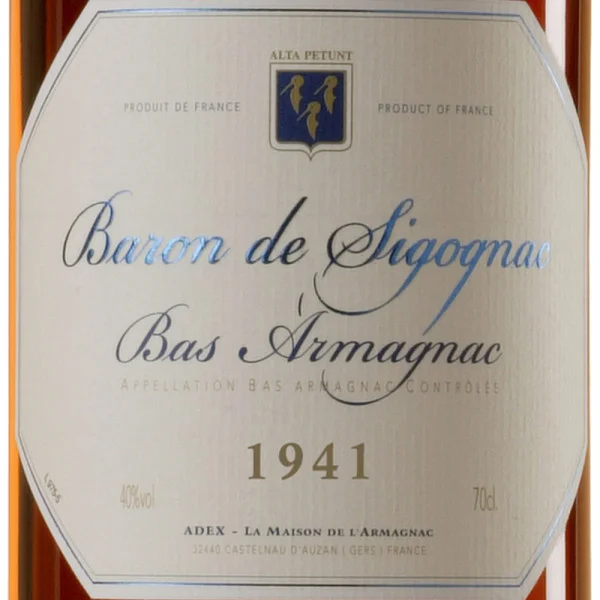
- Baron de Sigognac: a 1941 at 40% ABV, from ugni blanc and baco, kept at Château de Bordeneuve, where each year ages separately. The house describes it as having an amber colour with mahogany highlights, a complex and elegant, very fruity nose with notes of cinnamon, a full and harmonious palate, then a round finish of roasted coffee and delicate oak;
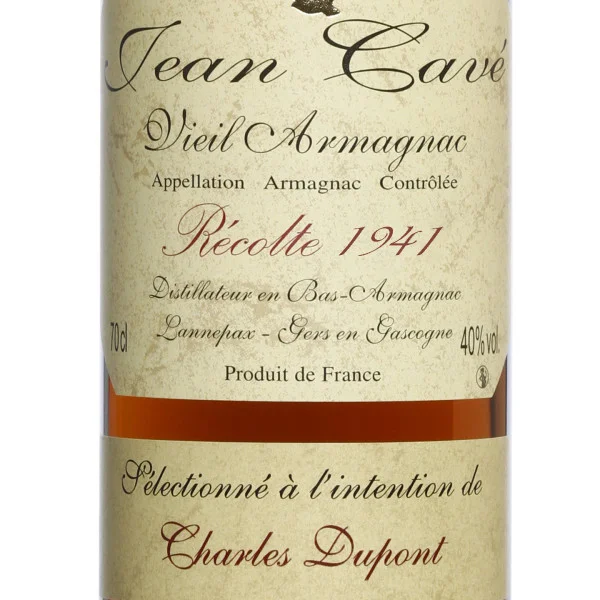
- Jean Cavé: a Bas-Armagnac AOP at 40.5% ABV, bottled brut de fût, without reduction or blending, drawn from the old vintages this Lannepax family has been ageing since 1883. It is presented in a wooden box.
The Jean Cavé has kept the natural strength of its cask, which fell on its own over the decades. This type of spirit appeals to connoisseurs who want the most direct experience possible: it features among our brut de fût armagnacs.
A Bas-Armagnac heritage
Our three 1941s come from Bas-Armagnac, the western area of the appellation, whose tawny sands give armagnacs renowned for their finesse and fruit, and where the wines of the region have been distilled for centuries. The appellation also includes Ténarèze and Haut-Armagnac. What Castarède, Sigognac and Cavé have in common is that they kept their old vintages in the darkness of the cellar, generation after generation: it is this heritage that makes it possible to open a bottle of 1941 today.
For more recent years, other great names of the Gascon tradition await you with us: Château de Laubade, Château de Millet, Dartigalongue, Delord and Domaine de Pellehaut.
From wine to old armagnac
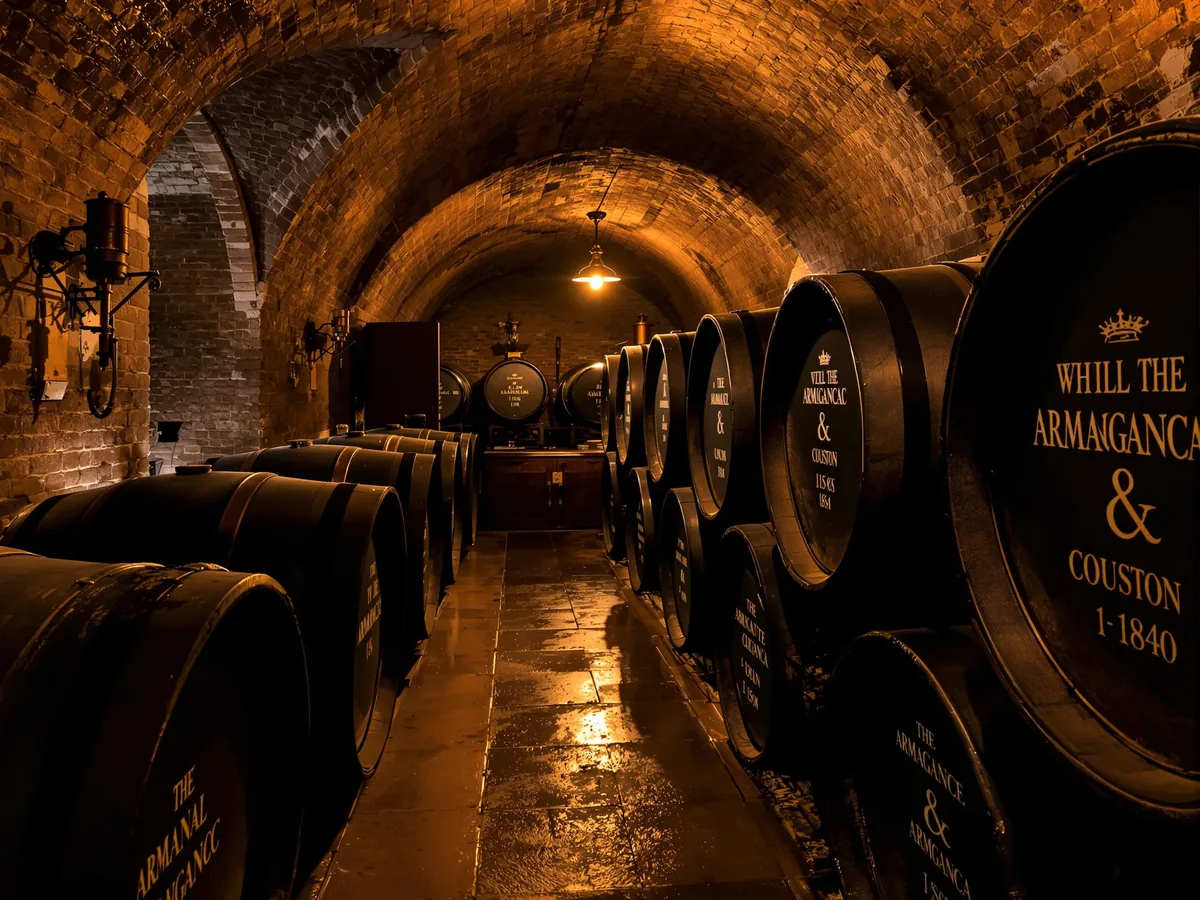
It all starts with a dry white wine from the appellation's grape varieties: ugni blanc, baco blanc, folle blanche, colombard. A light, acidic wine, not really made for the table, but ideal for distillation. This wine is distilled continuously in the armagnac still, in a single pass, following the tradition of the South West, whereas cognac goes through the still twice; at Castarède, for example, an Orthez-type still dating from 1942 is still in use. The distillate, still clear, is then aged in oak casks, in the cellar. The wood gives it its colour, its tannins and its aromas, while part of the alcohol evaporates. An important point: armagnac only ages in wood. The bottling date, 2020 for the Castarède, tells you how long it really spent in cask.
Tasting a 1941 armagnac
After such long ageing, expect a dark colour and a deep nose. Armagnacs of this age often suggest candied prunes, candied fruit, vanilla, sweet spices, coffee or cocoa; the Sigognac, according to its product sheet, adds cinnamon and roasted coffee. The Castarède and the Sigognac, reduced to 40% ABV, are the most approachable; the Jean Cavé, at cask strength, calls for a little more patience.
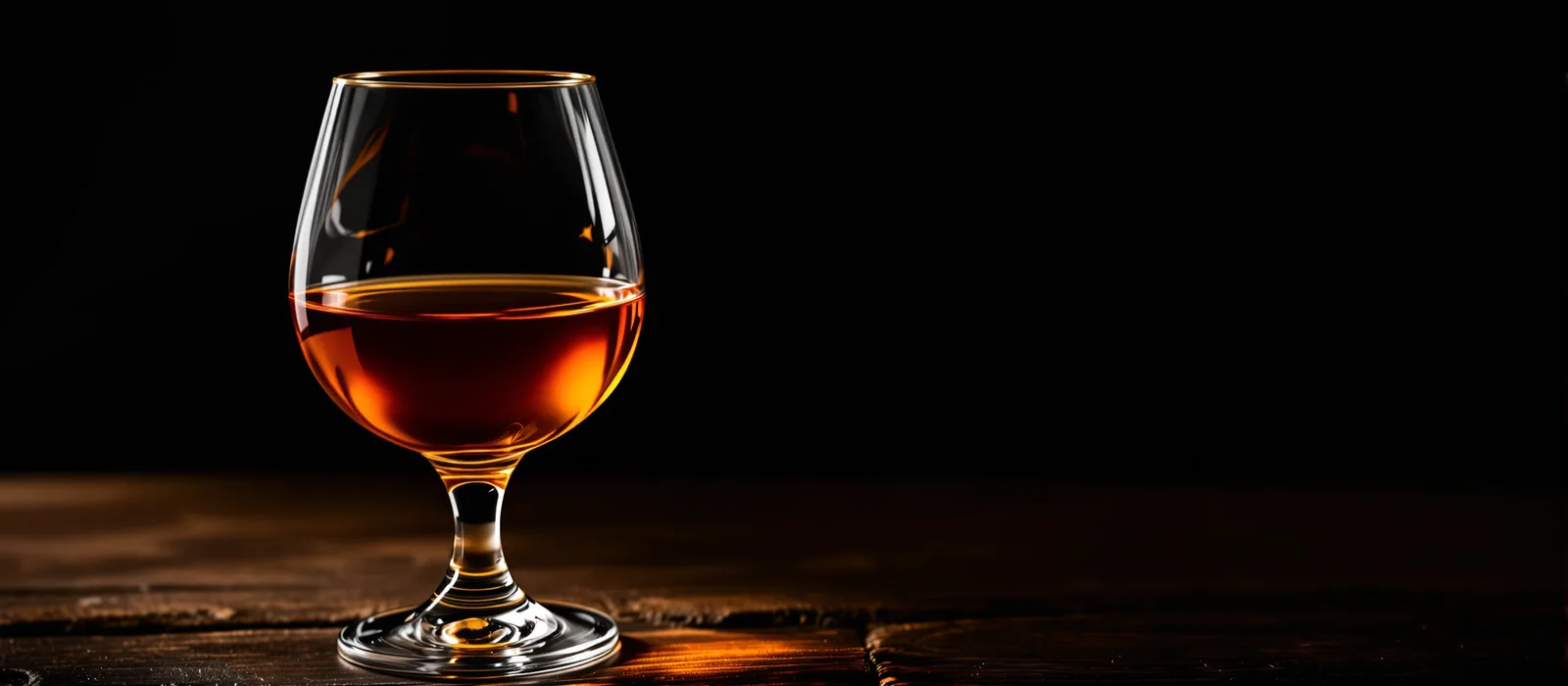
Serve a small measure in a tulip glass, at room temperature, without ice. Let the armagnac breathe, gently warm the glass in your hand, then taste in small sips, at the end of a meal.
A birthday gift for an 85th
In 2026, people born in 1941 celebrate their 85th birthday. For such a birthday, an armagnac from their birth year is a meaningful gift: a bottle, in a presentation case or a wooden box depending on the house, that has lived through the same century as they have. A gift to open on the day of the celebration, with the family, or to keep for another birthday. The hardest part is choosing between the three houses: Castarède for its long history as a merchant house, Baron de Sigognac for its published notes, Jean Cavé for the character of a brut de fût. Collectors will place it alongside a 1936 armagnac or a 1946 armagnac.
Store the bottle upright, away from light and heat. Unopened, it no longer changes; once opened, it keeps for several months.
Frequently asked questions about 1941 armagnac
How much does a 1941 armagnac cost?
It depends on the house, the strength, the length of ageing and the rarity of the lot. The product page for each bottle gives the house, the bottle size and the price.
Where can I buy a 1941 armagnac online?
Directly at Plaisirs de Gascogne, a Gascon online wine and spirits shop: bottles from the Gascon houses, secure ordering and payment, careful delivery in France and across Europe. Our customer service will answer your questions before you buy, with precise information on each bottle.
What are the characteristics of the 1941 armagnac?
Three Bas-Armagnacs from a single harvest, enriched by very long ageing: Castarède and Baron de Sigognac at 40% ABV, Jean Cavé brut de fût at 40.5% ABV. Their aromas range from prune to cinnamon and roasted coffee, depending on the house.
Which producers make 1941 armagnac?
To discover with us: Armagnac Castarède, Baron de Sigognac and Jean Cavé, three Bas-Armagnac houses.
How should I taste a 1941 armagnac?
At room temperature, in a tulip glass, after a few minutes of breathing, in small sips and without ice.
Also see all our vintage armagnacs, year by year.
Please enjoy responsibly. Excessive alcohol consumption is harmful to health.



 Jean Cavé
95 bottles
Jean Cavé
95 bottles
 Armagnac Delord
92 bottles
Armagnac Delord
92 bottles
 Château de Millet
79 bottles
Château de Millet
79 bottles
 Dartigalongue
75 bottles
Dartigalongue
75 bottles
 Baron de Sigognac
69 bottles
Baron de Sigognac
69 bottles
 Armagnac Castarède
59 bottles
Armagnac Castarède
59 bottles
 Clés des ducs
48 bottles
Clés des ducs
48 bottles
 Château de Laubade
31 bottles
Château de Laubade
31 bottles
 Château de Bordeneuve
17 bottles
Château de Bordeneuve
17 bottles
 Domaine de Pellehaut
17 bottles
Domaine de Pellehaut
17 bottles
 Charles de Granville
13 bottles
Charles de Granville
13 bottles
 Roger Groult
7 bottles
Roger Groult
7 bottles