A single harvest, a single bottle
On the label of a vintage armagnac, the year is no mere detail: it names the one harvest from which all the brandy comes. Nothing has been added from another harvest, unlike a VSOP, an XO or a hors d'âge, which marry several ages to achieve a consistent style. A 1920 vintage therefore tells the story of a single Gascon season, and nothing else.
For such a bottle still to exist, a house had to resist, for more than a hundred years, the temptation to sell or blend this lot. That is why very old vintages come down to a handful of bottles, and why a page like this one sometimes presents just a single reference.
1920, on the threshold of the Roaring Twenties
In January 1920, Prohibition came into force in the United States: the manufacture, transport and sale of alcohol were banned there until 1933 (source: Wikipedia, article "Prohibition aux États-Unis"). In France, the same year, Paul Deschanel was elected President of the Republic in January, before resigning in September (source: Wikipedia, article "Paul Deschanel"). Meanwhile, in Gascony, the wine from the autumn harvest waited for winter to go through the still. We found no producer source on the quality of the 1920 harvest, so we do not characterise it.
Our 1920 armagnac: a Jean Cavé brut de fût
The bottle on this page comes from the house of Jean Cavé, in Lannepax, in the Gers. Here is what its product page says:
- a 1920 vintage Bas-Armagnac AOP, in a 70 cl bottle;
- a brandy that has undergone no blending, drawn from the Cavé family's collection of old vintages;
- bottled brut de fût, that is, without adding water to lower the strength; the exact strength is shown on the label;
- presented in a wooden box, which makes it a gift ready to give.
The house does not publish a tasting commentary specific to this vintage, and we do not invent one. To discover other brandies left at their natural strength, browse our brut de fût armagnacs.
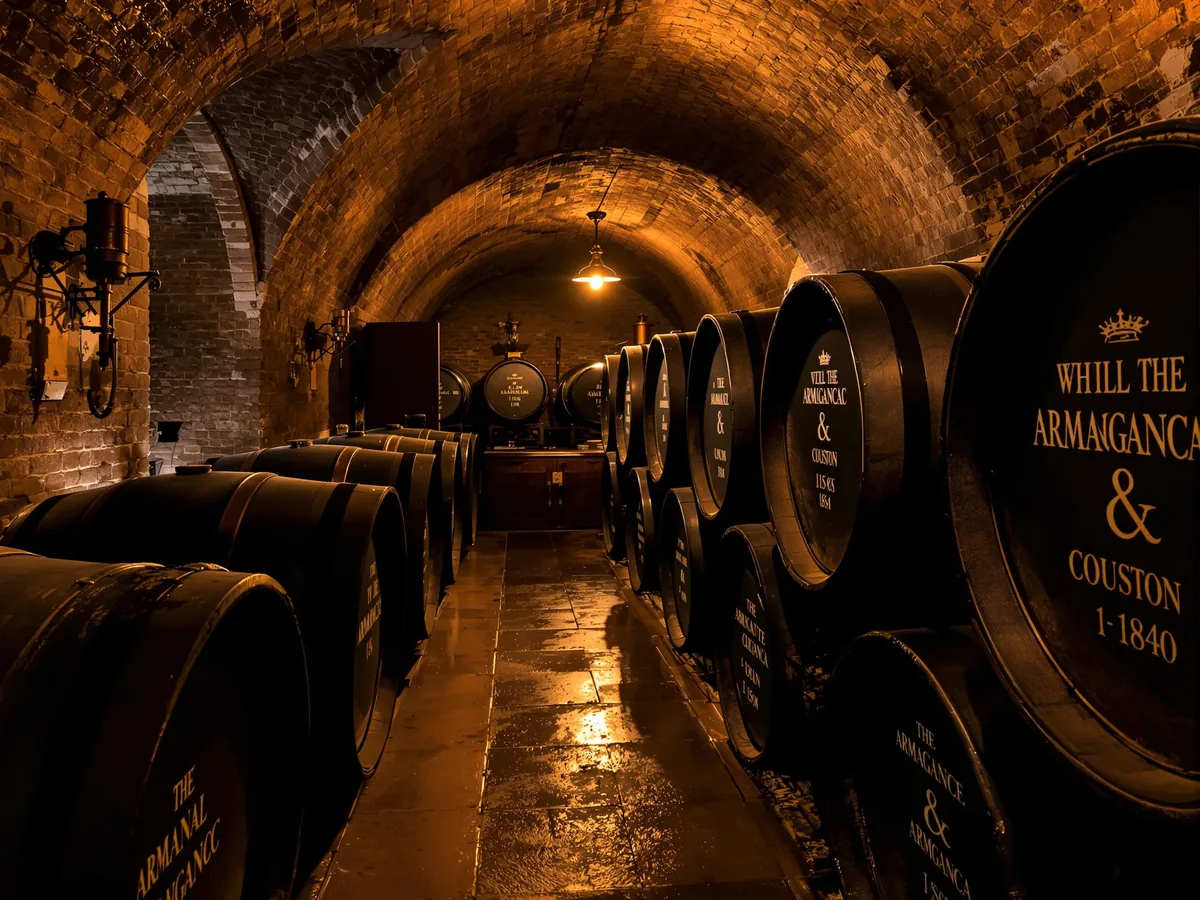
The house of Jean Cavé, keeper of old years
In 1883, Jean Cavé set up in Lannepax as a winegrower, distiller and cellar master. Four generations later, the house is run by Henri Cavé and owns one of the most remarkable collections of old vintages in the appellation. In its paradis, the most secret part of the cellar, glass demijohns keep old brandies safe from time. According to the house, its armagnacs, long aged in cask, take on a mahogany hue and woody, vanilla and cocoa notes: a house style, not a description of this particular 1920.
For other years, other families of the South West have a place in our cellar: Baron de Sigognac, Castarède, Château de Laubade, Delord, Dartigalongue or Domaine de Pellehaut.
From white wine to century-old brandy
It all begins with a dry white wine made from the appellation's grape varieties: ugni blanc, baco blanc, folle blanche and colombard. In the winter following the harvest, this wine goes through the armagnac still just once, in continuous distillation, whereas cognac is distilled twice. The brandy then goes into oak casks. The wood gives it its colour, its tannins and part of its aromas, while the alcohol slowly evaporates.
When a house wants to stop this ageing, it transfers the armagnac to a demijohn or bottles it: from then on, it no longer changes. Bas-Armagnac, where our 1920 comes from, is one of the three terroirs of the appellation along with Ténarèze and Haut-Armagnac; its tawny sands are renowned for the finesse of their brandies.
Serving an armagnac more than a century old
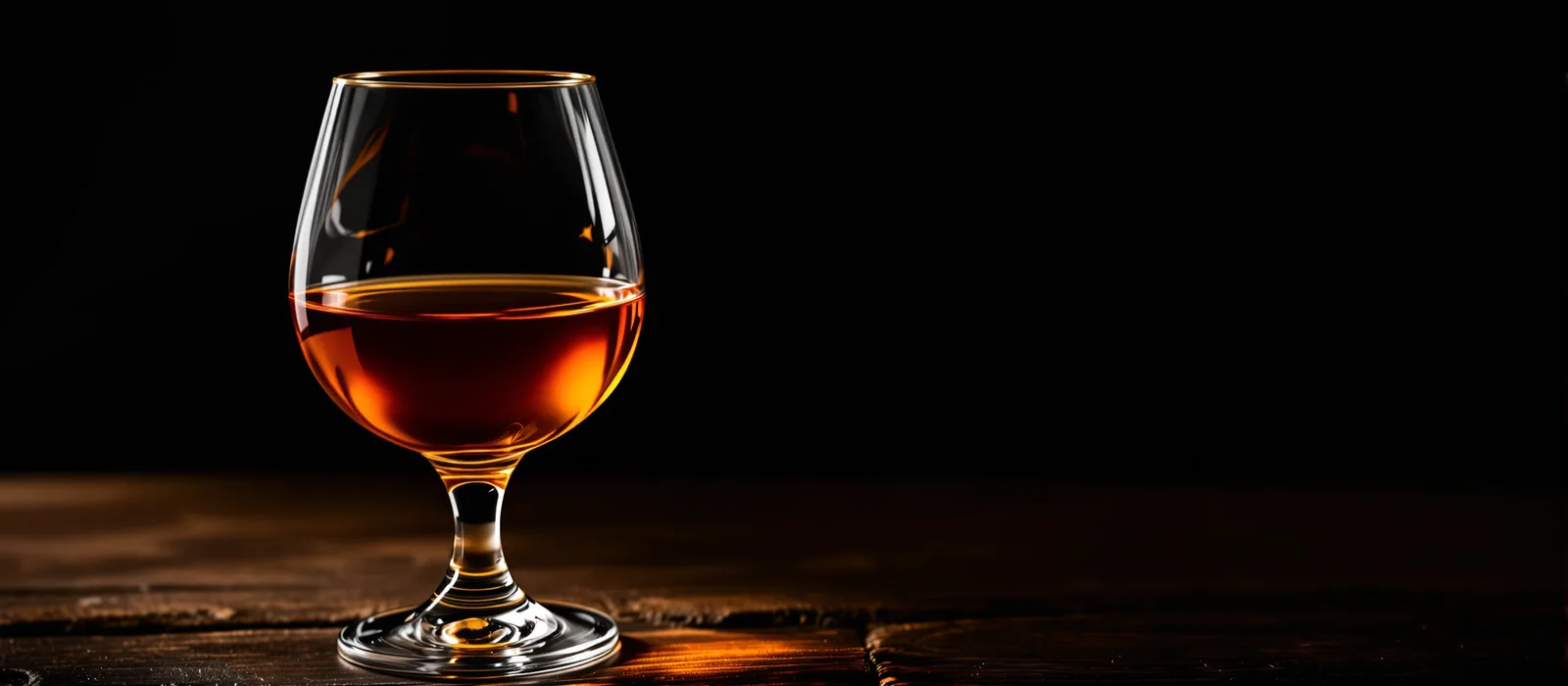
A 1920 is not uncorked like an everyday bottle. Pour a small measure into a tulip glass, at room temperature, and give it a good quarter of an hour to open up. Very old armagnacs often suggest prune, walnut, dried fruit, cocoa or sweet spices, with the note of rancio that comes with long ageing; yet each bottle remains unique. A brut de fût is enjoyed in small sips: a drop of water can help it reveal itself, according to your taste.
Unopened, the bottle should be stored upright, in a dark, temperate place, so that the alcohol does not touch the cork. Once opened, it will keep for several months.
Who should receive a 1920 armagnac?
People born in 1920 are rare, and a vintage like this is best thought of as a gift of history: for the hundredth anniversary of a company or a family house founded that year, for a collector fascinated by the interwar years, or to mark a handing down between generations. In a cellar, it finds its place alongside our 1918 armagnac and our 1921 armagnac.
Frequently asked questions about 1920 armagnac
What is the price of a 1920 armagnac?
It depends on the rarity of the lot and on the house. The price of our bottle is shown on its product page, along with its size and presentation.
Where can I buy a 1920 armagnac?
At Plaisirs de Gascogne, an online wine and spirits merchant dedicated to armagnac: add the bottle to your basket, pay securely, and shipping is available in France and across Europe, in protective packaging. Our customer service team will answer your questions before you order.
What are the characteristics of the 1920 armagnac?
A Bas-Armagnac AOP from a single harvest, unblended, bottled brut de fût by the house of Jean Cavé, in 70 cl with a wooden box.
Which producers offer a 1920 armagnac?
In our selection, the house of Jean Cavé, in Lannepax. Very few houses have kept this year until today.
How should I taste a 1920 armagnac?
In a small measure, in a tulip glass, at room temperature, after letting it breathe. Take your time: that is the secret of an old armagnac.
What are the risks of drinking armagnac?
Like any spirit, armagnac contains a lot of alcohol: it should be enjoyed in moderation, and never by minors or pregnant women.
Discover all our vintage armagnacs, year by year.
Please enjoy responsibly. Excessive alcohol consumption is harmful to health.