A single bottle, a single harvest
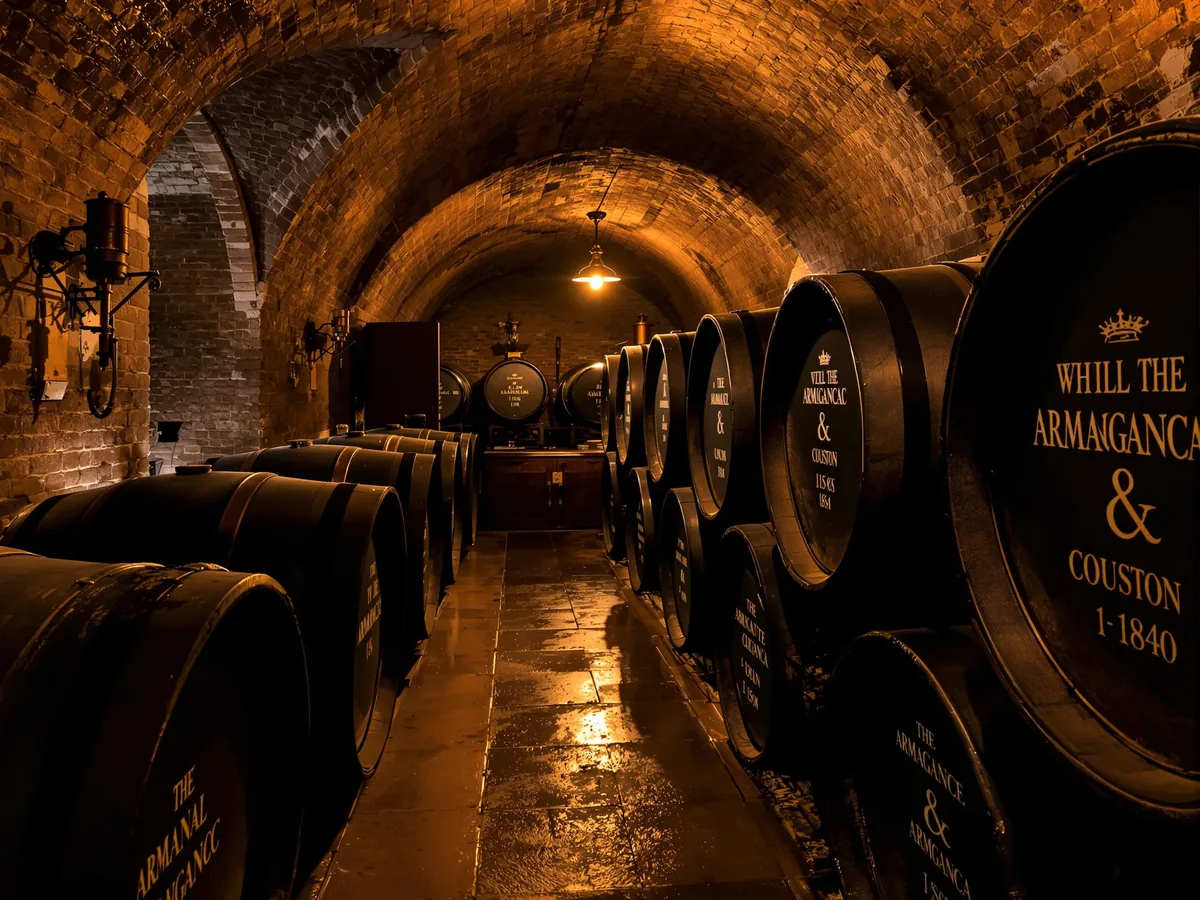
Vintage armagnac follows a simple rule: the year written on the label is that of the harvest, and nothing else is added. Age-statement armagnacs, on the contrary, VSOP, XO and hors d'âge, are blends of several years, designed to offer a consistent taste. An armagnac from 1937 is therefore the witness of a single autumn, kept in the cellar for nearly nine decades.
Few bottles of this age remain. A family must have set a lot aside for three generations, without selling it to the trade or mixing it into a blend. This is the case of the Jean Cavé house, which draws its rare years from a family collection built up since the end of the 19th century.
Paris, 1937: the International Exposition
From May to November 1937, Paris hosted the International Exposition of Art and Technology in Modern Life; the Palais de Chaillot was built for the occasion, and Pablo Picasso presented Guernica there in the Spanish pavilion (source: Wikipedia, article "Exposition internationale des arts et des techniques appliqués à la vie moderne"). Meanwhile, in the South West, the 1937 harvest was being prepared. We found no source from the houses describing the quality of this harvest in Gascony, and we prefer not to characterise it.
Jean Cavé's 1937
Our only 1937 armagnac is signed Jean Cavé. The house was born in 1883 in Lannepax, in the Gers, when Jean Cavé, a winegrower, set up there as a distiller and cellar master. Henri Cavé, the fourth generation, today carries on the armagnac tradition of continuous distillation and watches over a paradis where some demijohns date from 1900.
What the house's product sheet says:
- Bas-Armagnac AOP designation, from the 1937 harvest exclusively;
- no blending: the spirit remained on its own from start to finish, which does not mean single cask (one cask only), a term the house does not claim;
- aged in Gascon oak casks, in the family cellars;
- bottled brut de fût, with no added water, at 40.5% ABV;
- 70 cl bottle, presented in a case.
A brut de fût at 40.5% ABV may come as a surprise. The explanation lies in time: over decades in cask, the alcohol evaporates, and the natural strength slowly falls. This figure is the one left by ageing, without any reduction by the house.
From Gascon wine to brandy
The armagnac appellation covers three terroirs of Gascony: Bas-Armagnac, where Lannepax lies, Ténarèze and Haut-Armagnac. The main grape varieties grown there are ugni blanc, baco, folle blanche and colombard; for this 1937, the house does not state the grape varieties, and we do not guess them. The dry white wine from the harvest is distilled continuously, in a single pass, in the armagnac still, whereas cognac undergoes double distillation. The distillate then goes into oak casks, where it is aged and takes on colour, tannins and aromas. Once in the bottle, it no longer changes. Folle blanche, a historic grape variety of the region, gives fine wines that long made the reputation of Gascony.
Tasting an 89 year old armagnac
Jean Cavé does not publish a tasting note for its 1937. The house does, however, describe the character of its oldest years: a mahogany colour, with woody, vanilla and cocoa aromas. Generally speaking, armagnacs of this age also evoke prune, fig, dried fruit, coffee or rancio.
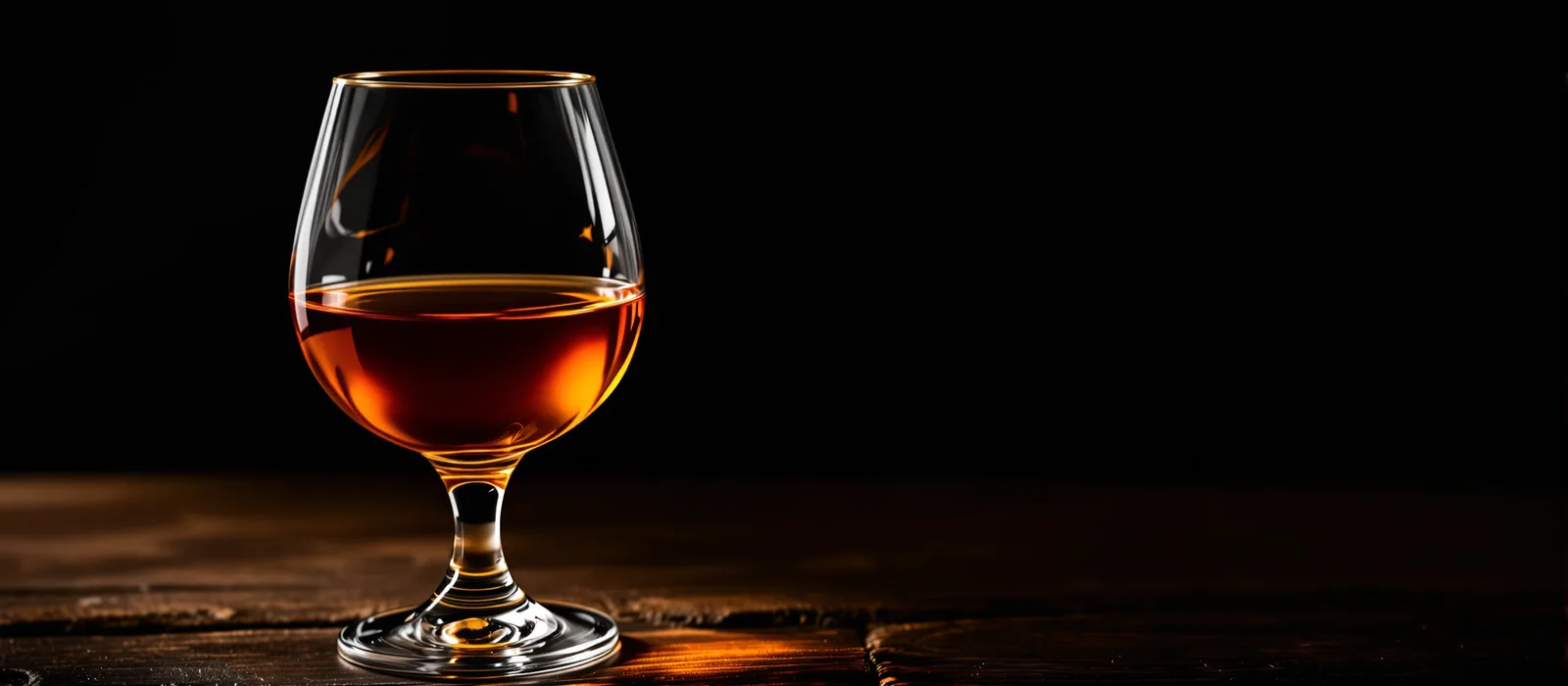
To serve it, choose a tulip glass, pour a little, at room temperature, and let it breathe for about ten minutes before tasting. A spirit like this is savoured slowly, as a digestif, ideally among a few close friends and family.
A gift for a birth year
In 2026, people born in 1937 celebrate their 89th birthday. Giving a bottle from their year means offering something that has aged at the same pace as they have, to share on the day of the celebration. Its case makes it a ready-to-give present, among the rarest gift ideas in our shop. Collectors will place it between a 1936 armagnac and a 1938 armagnac.
Keep it upright, away from light and temperature swings, so that the alcohol does not attack the cork. Unopened, it keeps for a very long time; once opened, for several months.
Other houses for other years
For more recent years, our shop brings together several estates of the South West: Château de Laubade, in Sorbets, Château de Millet, in Eauze, Dartigalongue, in Nogaro, Armagnac Delord, Jean Cavé's neighbour in Lannepax, Castarède or Domaine de Pellehaut. Each château or estate has its own style; comparing them with a very old Cavé is a good way to discover the role of time on a distilled wine.
Frequently asked questions about 1937 armagnac
What is the price of a 1937 armagnac?
It reflects the rarity of a lot nearly 90 years old. The price, bottle size and strength are shown on the product page.
Where can I buy a 1937 armagnac?
At Plaisirs de Gascogne, an online wine and spirits merchant specialising in the sale of vintage armagnacs: simple purchasing, secure payment, careful delivery in France and across Europe, and a customer service team you can reach before placing your order.
What are the characteristics of the 1937 armagnac?
A Bas-Armagnac AOP from the 1937 harvest alone, without blending, brut de fût at 40.5% ABV, in 70 cl with a wooden box.
How should I taste a 1937 armagnac?
Neat, as a digestif, in a tulip glass, after a few minutes of breathing, and in very small sips.
Browse all our vintage armagnacs, year by year.
Please enjoy responsibly. Excessive alcohol consumption is harmful to health.



 Jean Cavé
113 bottles
Jean Cavé
113 bottles
 Armagnac Delord
92 bottles
Armagnac Delord
92 bottles
 Château de Millet
83 bottles
Château de Millet
83 bottles
 Dartigalongue
76 bottles
Dartigalongue
76 bottles
 Baron de Sigognac
69 bottles
Baron de Sigognac
69 bottles
 Armagnac Castarède
63 bottles
Armagnac Castarède
63 bottles
 Clés des Ducs
48 bottles
Clés des Ducs
48 bottles
 Château de Laubade
43 bottles
Château de Laubade
43 bottles
 Domaine de Pellehaut
28 bottles
Domaine de Pellehaut
28 bottles
 Château de Bordeneuve
17 bottles
Château de Bordeneuve
17 bottles
 Charles de Granville
13 bottles
Charles de Granville
13 bottles
 Roger Groult
7 bottles
Roger Groult
7 bottles