The 1914 armagnac, memory of a wartime harvest
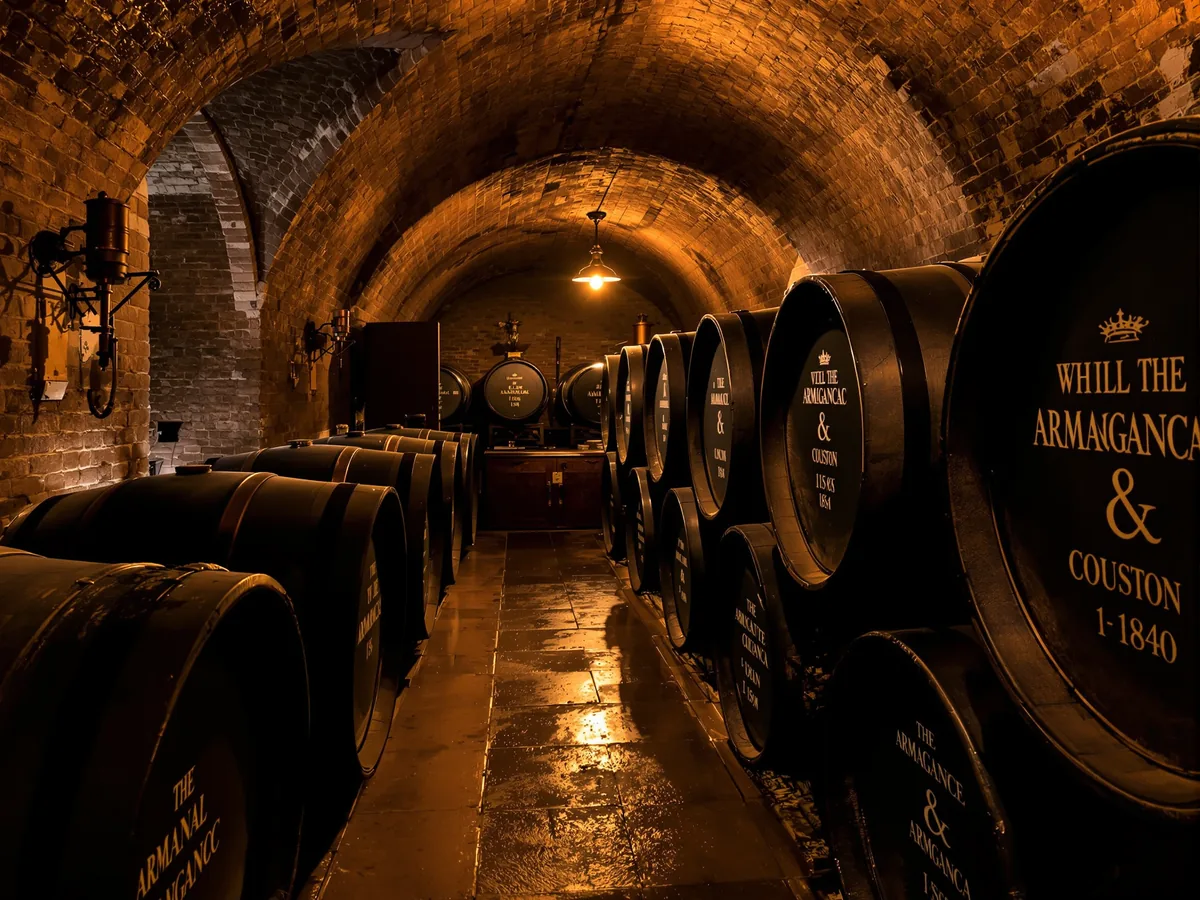
A vintage armagnac contains only the wine of a single harvest, the one whose year is written on the label. No blending of different wines or ages: it is the very opposite of a VSOP, an XO or a hors d'âge. For a 1914 armagnac, the grapes were picked a few weeks after mobilisation, in a countryside deprived of a large part of its men. This vintage therefore carries a particular weight.
August 1914, general mobilisation
The order for mobilisation was given by the decree of 1 August 1914, published in the Journal officiel of 2 August (source: Wikipedia, article "Mobilisation française de 1914"). Millions of men then left their villages, including those of the Gers, as the harvest approached. We found no producer source on the quality of the grapes or the wine of 1914 in Gascony, so we do not characterise it.
Our two 1914 armagnacs
Two Bas-Armagnac bottles, two houses, two ways of presenting a century:
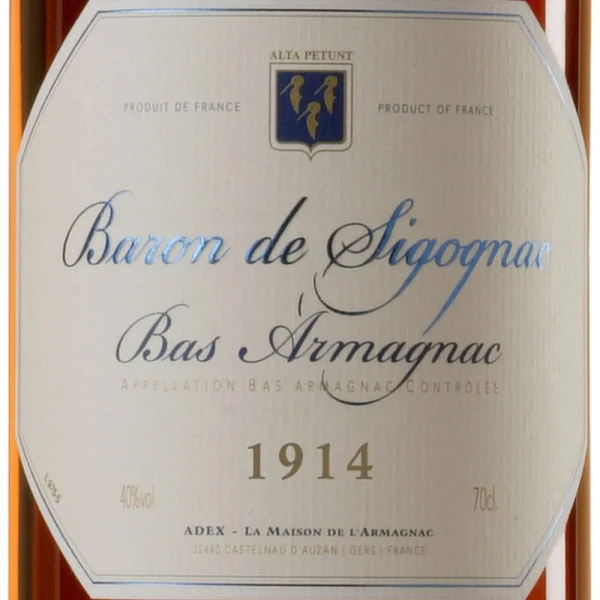
- Baron de Sigognac: a 1914 at 40% ABV, from ugni blanc and baco, kept at Château de Bordeneuve, in Castelnau d'Auzan, where each year ages separately and where the estate keeps vintages dating back to 1893. According to the house, the bottles are prepared to order, and the bottling date appears on the back of each one;
- Jean Cavé: a brut de fût 1914, drawn from the collection of old vintages of this Lannepax house founded in 1883. The label states Bas-Armagnac AOP; the armagnac has undergone no blending and received no water before bottling. Its exact strength is the one on the label.
The Baron de Sigognac, at 40% ABV, is the more approachable; the second, a brut de fût armagnac, more powerful, keeps the strength that time has left it. Neither comes with a published tasting note for 1914.
Two Bas-Armagnac houses
At Château de Bordeneuve, near Eauze, the Guasch family, owners of the estate since 1974, age the Baron de Sigognac armagnacs and keep a collection of very old years; the house style is renowned as round and fruity, with notes of toasted dried fruit, coffee and dark chocolate in the old vintages. In Lannepax, the Cavé family, represented today by Henri Cavé, the fourth generation, keeps in its "paradis" one of the most remarkable collections of old armagnacs in the appellation. Two houses, one shared respect for time.
From the Gascon vine to the glass
Armagnac is the wine brandy of Gascony, in the South West. Its appellation has three regions, Bas-Armagnac, Ténarèze and Haut-Armagnac, and four main grape varieties: ugni blanc, baco, folle blanche and colombard. The grapes give a dry white wine, low in alcohol, and it is this wine that makes armagnac. The wine is distilled continuously, in a single pass, in the armagnac still; wine intended for cognac, by contrast, is distilled twice. Then the ageing process begins: a long rest in oak, in the cellar, sometimes for decades, which gives armagnac its colour, its finesse and its aromas. It stops evolving once in the bottle. Hence the value of the bottling date given by Sigognac.
Tasting a 112 year old armagnac
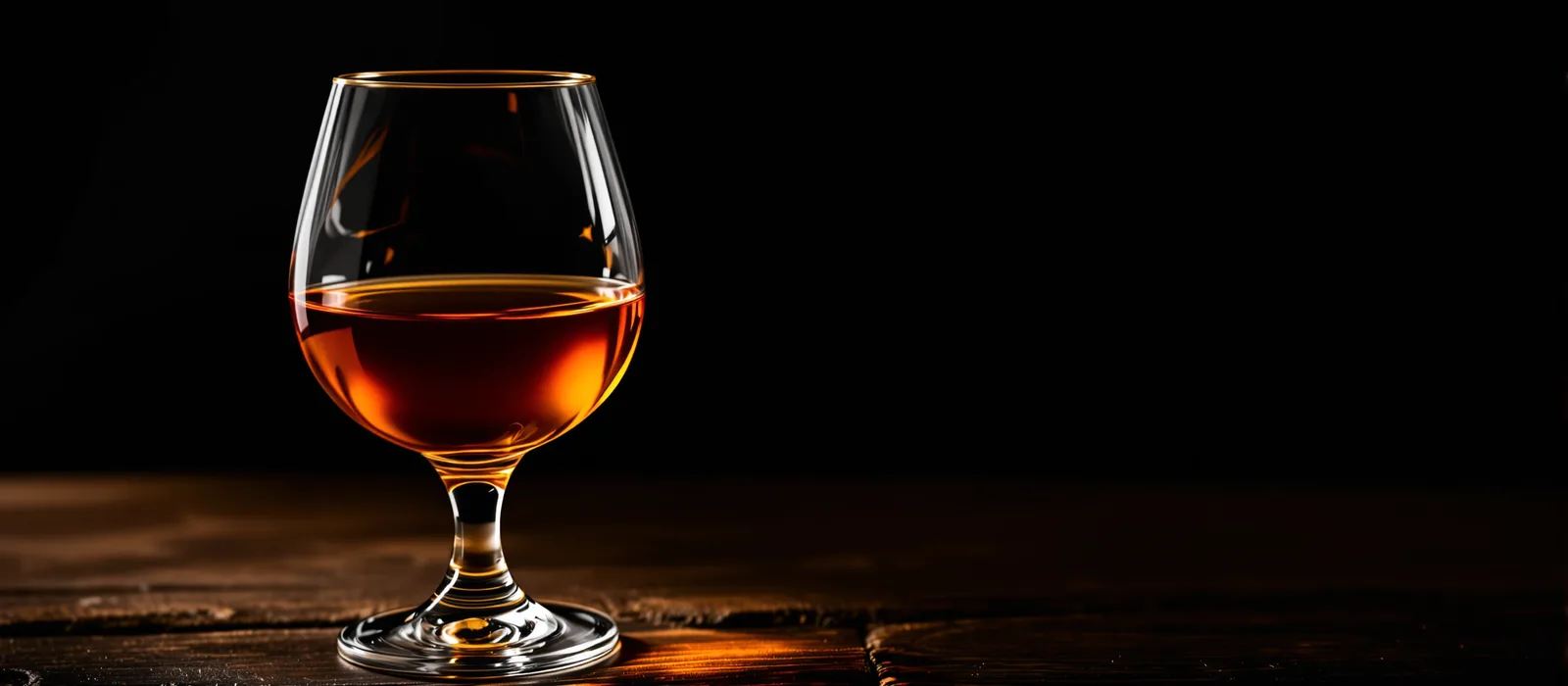
Very old armagnacs often show a mahogany colour, aromas of prune, dried fruit, cocoa and spices, and a deep rancio. Serve them as a digestif, in a tulip glass, at room temperature and in a small measure. The Baron de Sigognac, at 40% ABV, is tasted as it is, keeping it in the mouth for a moment; for the Jean Cavé, more powerful, a drop of water can help the aromas open up.
Giving a 1914 armagnac
A 1914 armagnac is no longer a birth-year gift: it is an object of memory, an exceptional gift. It is given to someone passionate about the Great War, for the anniversary of a house founded in 1914, for a family commemoration, or to bring an exceptional bottle into a collection. Keep the bottle upright, away from light and heat.
Around this year: the 1907 armagnac, the 1915 armagnac and the 1918 armagnac, the year of the armistice. For more recent years, our shop also offers Château de Laubade, Castarède, Dartigalongue, Armagnac Delord, Château de Millet, Laballe or Domaine de Pellehaut. The shop brings together wine armagnacs from Bas-Armagnac and Ténarèze, brut de fût bottlings, blends and other spirits; each house has its own page, so you can compare styles and original wines.
Frequently asked questions about 1914 armagnac
How much does a 1914 armagnac cost?
It varies according to the house and the way it is bottled, at 40% ABV or brut de fût. Each product page shows the price and the bottle size.
Where can I buy a 1914 armagnac?
On Plaisirs de Gascogne, an online shop specialising in vintage armagnac: add the bottle to your basket, pay securely by bank card, and it is shipped to France or Europe in suitable packaging. Our shop is there to help: the customer service team answers your questions. The sale of alcohol to minors is prohibited.
What are the characteristics of the 1914 armagnac?
Two single-harvest Bas-Armagnacs in 70 cl with a wooden case: Baron de Sigognac at 40% ABV, from ugni blanc and baco, and Jean Cavé brut de fût, without blending.
Who are the producers of 1914 armagnac?
In our selection, Baron de Sigognac, at Château de Bordeneuve, and Jean Cavé, in Lannepax.
What is the history of the 1914 armagnac?
That of a 1914 wine, distilled in Bas-Armagnac then kept for more than a century before bottling, an exceptional armagnac.
Discover all our vintage armagnacs, year by year.
Please enjoy responsibly. Excessive alcohol consumption is harmful to health.



 Jean Cavé
113 bottles
 Armagnac Delord
92 bottles
 Baron de Sigognac
90 bottles
 Château de Millet
83 bottles
 Sempé
82 bottles
 Dartigalongue
77 bottles
 Marcel Trépout
72 bottles
 Clés des Ducs
67 bottles
 Château de Monluc
64 bottles
 Armagnac Castarède
63 bottles
 Château de Laubade
42 bottles
 Château de Bordeneuve
32 bottles