1985, the vintage born after the great freeze
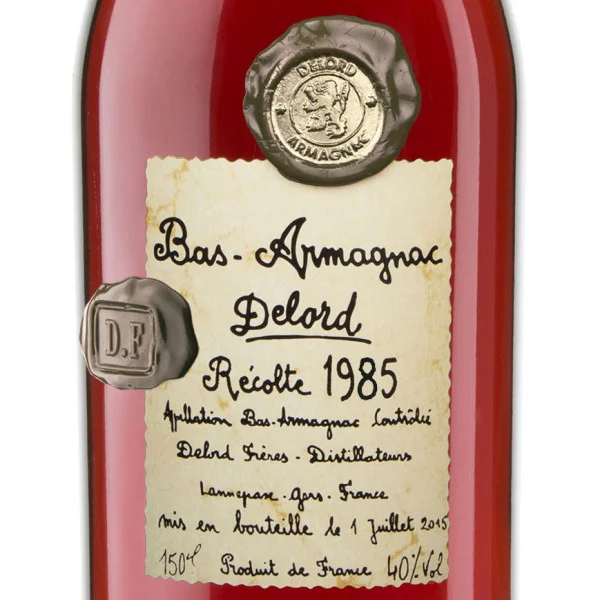
The year 1985 began with a cold snap that is still famous in France, in January. The vines, dormant at that time of year, then resumed their cycle and produced the harvest which, once made into wine and distilled, filled the casks of the Gascon houses. It is these patiently aged brandies that you will find in the bottles on this page.
How a 1985 vintage armagnac is made
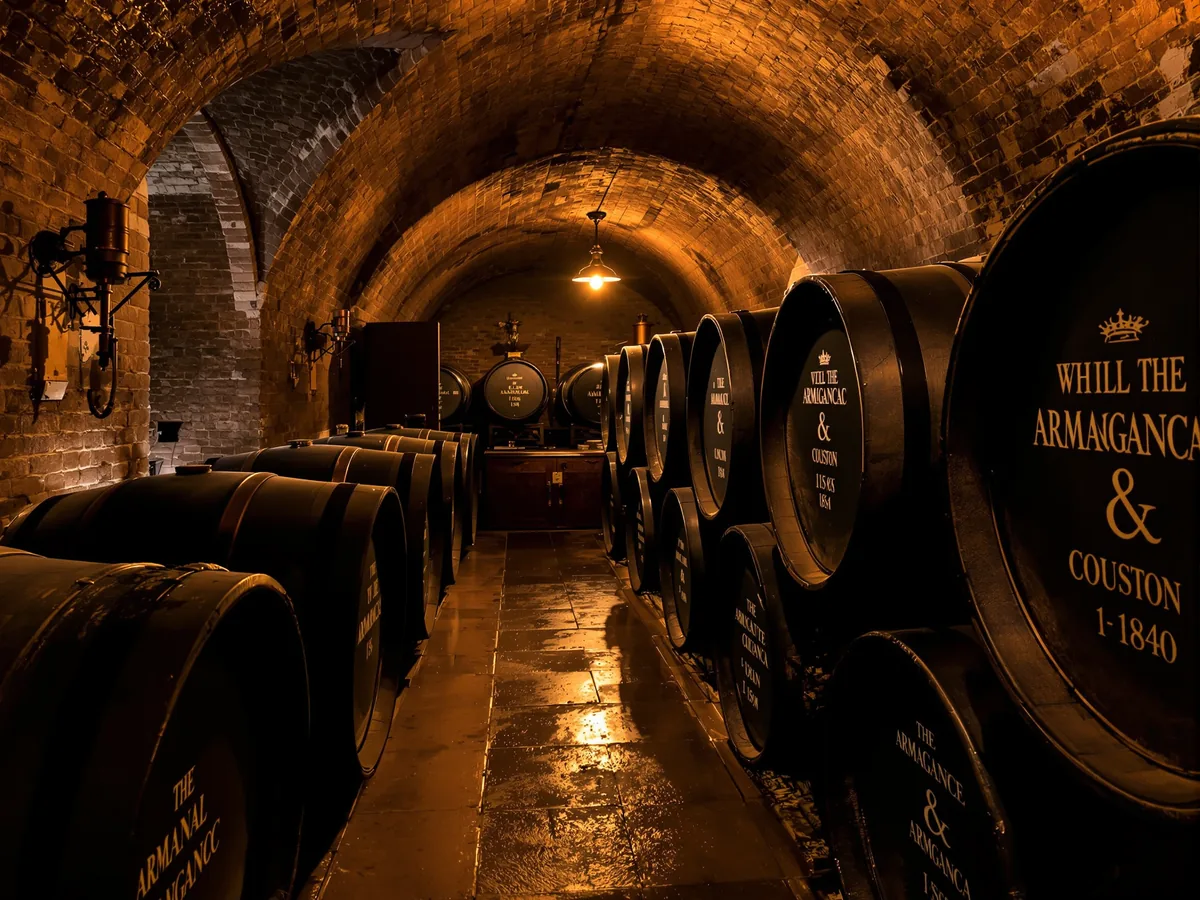
It starts with a local white wine, made from grape varieties such as ugni blanc, folle blanche, baco or colombard. Distilled in the armagnac still, it gives a colourless spirit. The oak cask does the rest: year after year, the wood gives it its colour, its fine tannins and its vanilla notes, while part of the alcohol evaporates.
The 1985 vintage is not a blend: no brandies from other years are mixed in, as they are in an XO or a hors d'âge. It therefore expresses both a year and the know-how of an estate. This ageing only takes place in the cask: once bottled, armagnac no longer changes.
What a 1985 armagnac tastes like
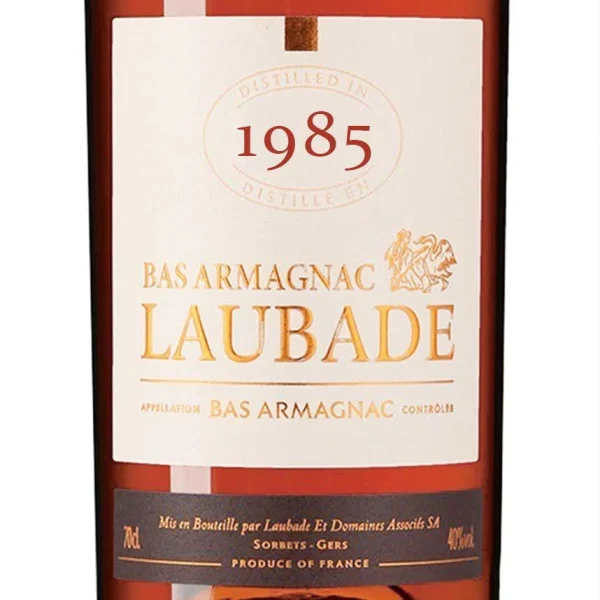
With four decades behind it, a 1985 armagnac strikes a fine balance between freshness and maturity. Depending on the house, you will find black fruits such as blackberry or blackcurrant, prune, spices, a touch of vanilla and wood. On the palate it can be lively, with fine tannins and a lingering finish. The Laubade 1985, for example, is often described as showing black fruits and a hint of spice. A brut de fût (cask strength, not reduced), such as Jean Cavé's, will be more intense than a reduced vintage.
Our estates for the 1985 vintage
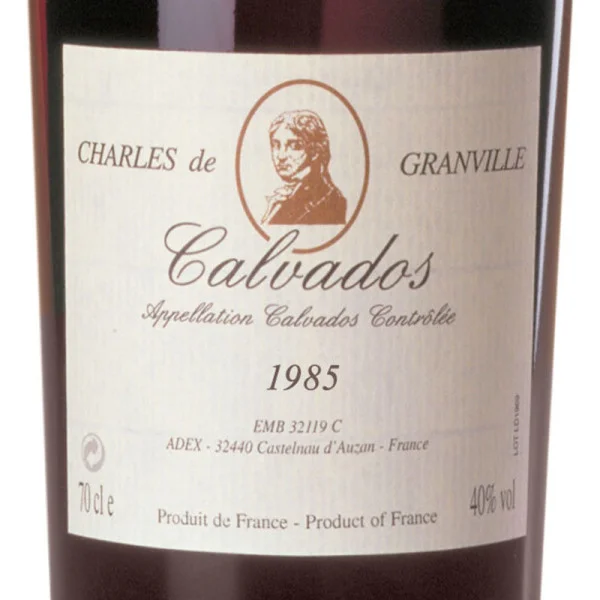
For those who prefer Normandy, a 1985 calvados from Charles de Granville completes the selection.
Terroir: where do our 1985 armagnacs come from?
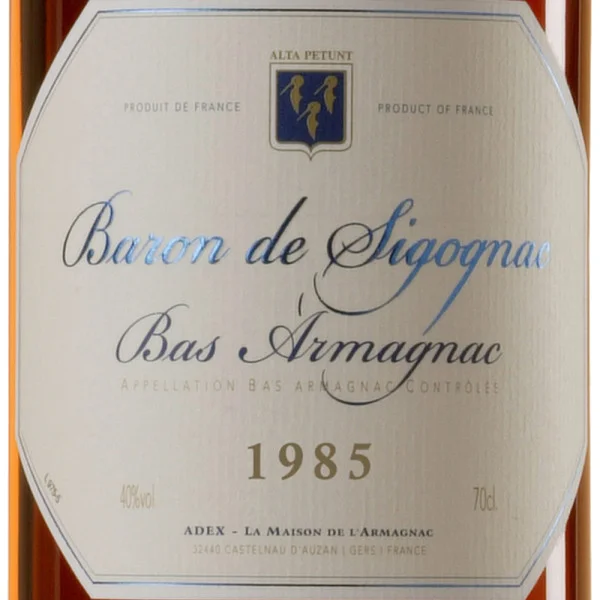
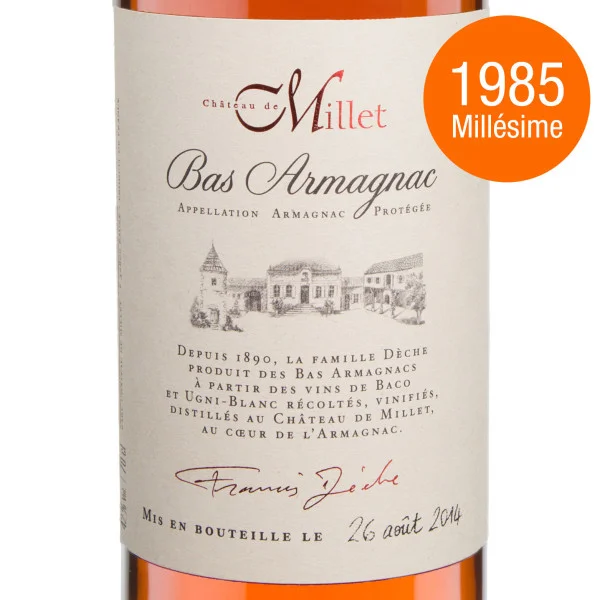
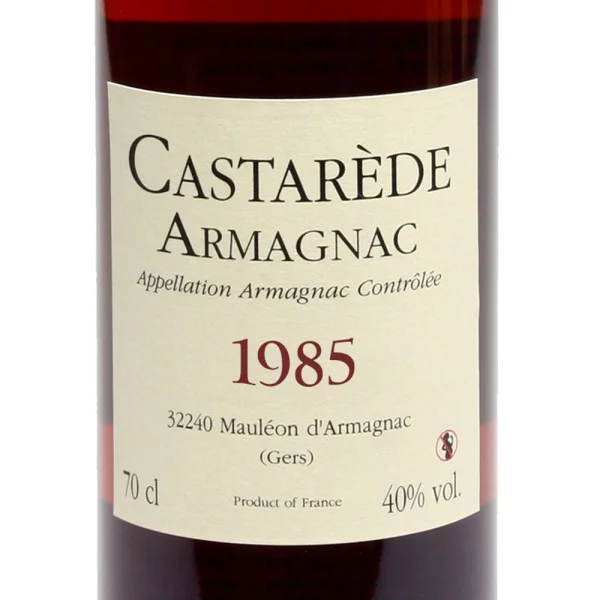
The Armagnac appellation lies in the South West of France, across the Gers, the Landes and the Lot-et-Garonne. It has three terroirs: Bas-Armagnac, with its tawny sands, renowned for fine, fruity brandies; Ténarèze, with its clay and limestone soils, which gives more structured armagnacs; and Haut-Armagnac, which is rarer. Delord, Château de Laubade, Dartigalongue and Baron de Sigognac are Bas-Armagnacs.
Each house grows or buys its white wines there: folle blanche for floral finesse, baco blanc for fruit and roundness, ugni blanc for freshness. The choice of grape varieties, the still and the wood of the casks give each 1985 armagnac its signature.
Giving a 1985 armagnac as a gift
For a birthday, a wedding anniversary or a retirement, an armagnac from the year 1985 has a special value: it has matured alongside the person receiving it. You can open it on the day itself to raise a glass, or keep it for another occasion, since it keeps for a very long time. The magnum is perfect when entertaining guests.
Tasting tips
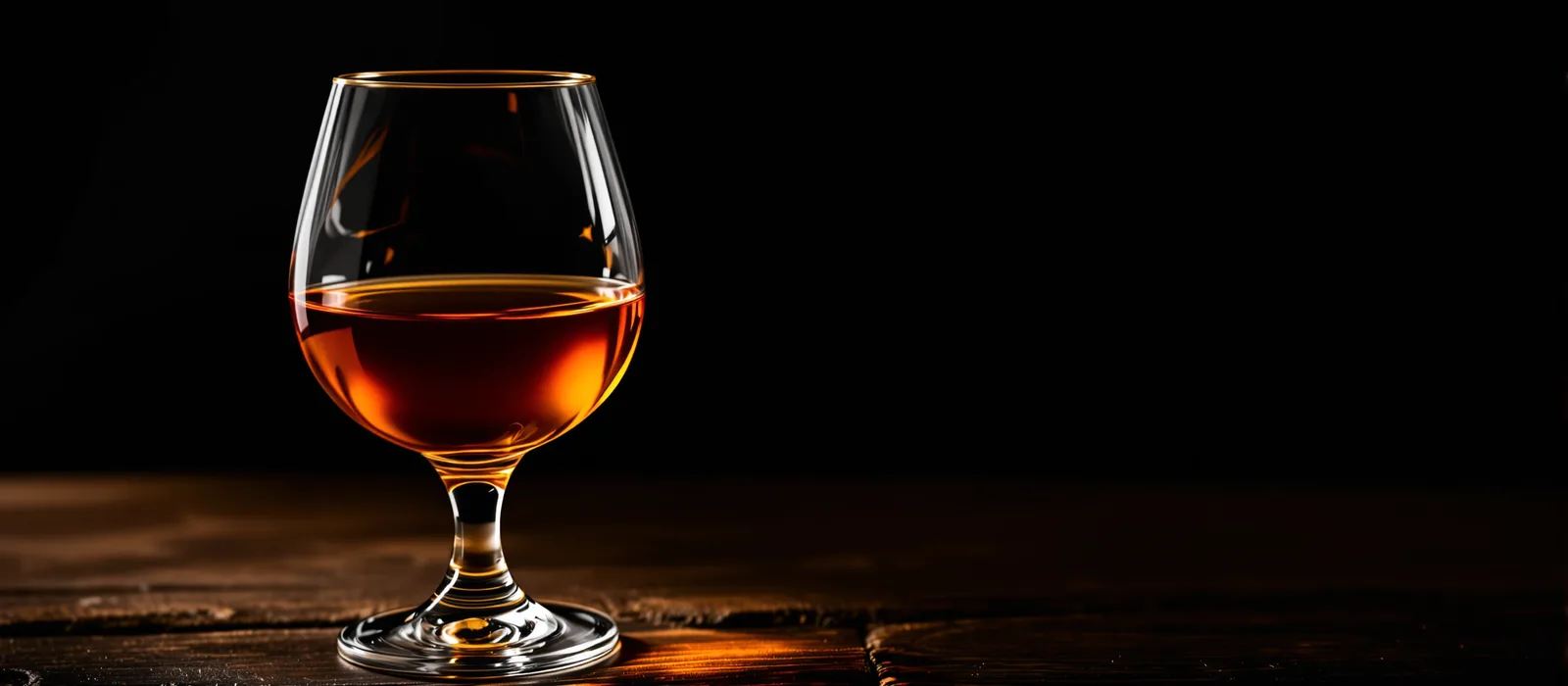
A 1985 has an amber colour with coppery highlights. Choose a tulip glass, pour a small measure at room temperature and let the armagnac open up for a few minutes. Warm the glass in your hands, nose it, then taste in small sips. After opening, recork the bottle firmly and store it upright, away from light.
Frequently asked questions about 1985 armagnac
What is the best 1985 armagnac?
There is no single answer: it all depends on the style you are looking for. A brut de fût for power, a reduced vintage for softness, a great house for the name or a family estate for the story.
How long has a 1985 armagnac been aged?
That depends on its bottling date, shown on many bottles. The longer it stayed in the cask, the more concentrated and complex it is.
Should a 1985 armagnac be decanted?
It is not necessary: a few minutes in the glass are enough for it to breathe.
How much does a 1985 armagnac cost?
It varies with the estate, the size (70 cl or magnum) and the type of bottling. The price is shown for each bottle listed on this page.
Where can I buy a 1985 armagnac?
Right here, at Plaisirs de Gascogne, an online shop specialising in vintages: our bottles come directly from the houses, your order is prepared with care and we deliver in France and across Europe.
See all our vintage armagnacs.
Please enjoy responsibly. Excessive alcohol consumption is harmful to health.



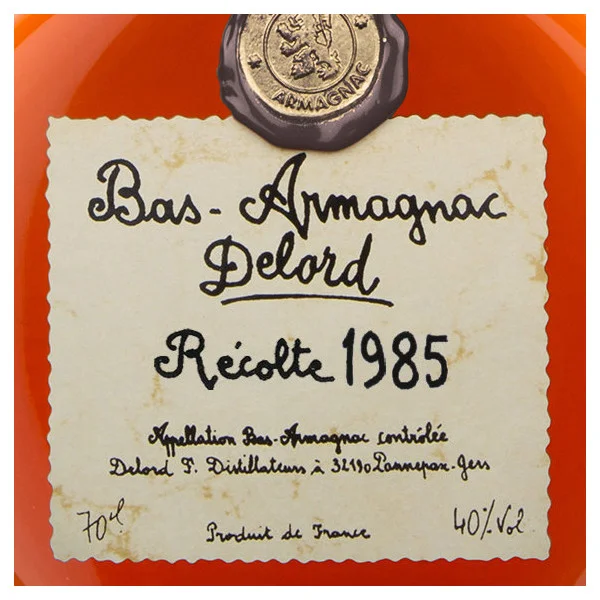
 Jean Cavé
113 bottles
 Armagnac Delord
92 bottles
 Château de Millet
83 bottles
 Dartigalongue
76 bottles
 Baron de Sigognac
69 bottles
 Armagnac Castarède
63 bottles
 Clés des Ducs
48 bottles
 Château de Laubade
43 bottles
 Domaine de Pellehaut
28 bottles
 Château de Bordeneuve
17 bottles
 Charles de Granville
13 bottles
 Roger Groult
7 bottles