1901, the first vintage of the twentieth century
The century officially began on 1 January 1901, so the harvest of the following autumn was the first of the twentieth century. That is the whole charm of this historic vintage: an armagnac that opens an era. Like every vintage armagnac, it comes from a single harvest, unmixed, unlike a VSOP, an XO or a hors d'âge, which blend spirits of different ages.
What 1901 saw born
On 1 July 1901, the law on the contract of association was passed, allowing anyone to form an association without prior authorisation: the famous "loi 1901" (source: Wikipedia, article "Loi du 1er juillet 1901 relative au contrat d'association"). On 10 December of that year, in Stockholm, the very first Nobel Prize ceremony took place (source: Wikipedia, article "Nobel Prize"). In the Gers, the vineyard was being rebuilt after phylloxera. We found no producer source on the quality of the 1901 harvest, and we do not characterise it.
Our 1901 armagnac: Jean Cavé, brut de fût
The bottle offered here comes from the reserves of the producer Jean Cavé. The label states Bas-Armagnac AOP. According to the product sheet, the armagnac has undergone no blending: it is representative of its single year. It is bottled brut de fût, that is, at its natural strength, without water added to lower it; the exact strength is shown on the label. The 70 cl bottle is delivered in a wooden box, a true presentation case.
If this style interests you, our brut de fût armagnac page brings together other spirits left at their original strength, from several estates.
The paradis of Lannepax
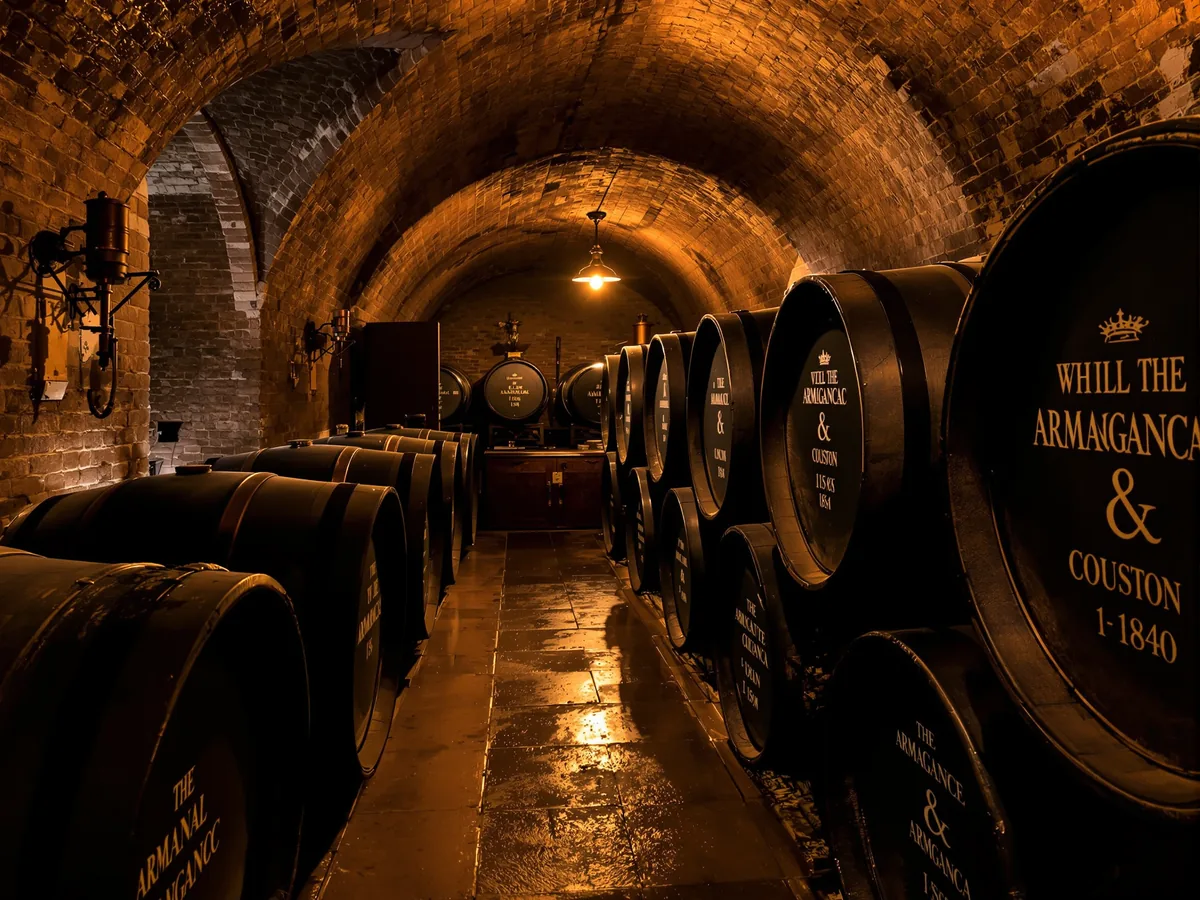
In armagnac houses, the "paradis" is the part of the cellar where the most precious armagnacs rest. At Jean Cavé, it holds demijohns dating from 1900: one of the most remarkable collections of old vintages in the appellation. The founder, Jean Cavé, settled in Lannepax in 1883 as a winegrower, distiller and cellar master; four generations later, Henri Cavé carries on the continuous armagnac distillation. Keeping a 1901 for more than a century means resisting, generation after generation, the temptation to sell it or blend it.
Why the demijohn?
An armagnac ages in oak casks: the wood gives it its colour, its tannins and part of its aromas, while a fraction of the alcohol evaporates. After several decades, the cellar master may judge that the brandy has reached its balance. He then transfers it into a demijohn, a large glass carboy, where it stops evolving. This is how very old armagnacs come through the years without taking on too much wood, keeping their flavour. Once in the bottle, armagnac no longer changes.
Armagnac, from vine to still
Armagnac is born in Gascony, in the South West, in a production area shared between three terroirs: Bas-Armagnac, Ténarèze and Haut-Armagnac. Each region has its own soil, from the tawny sands of Bas-Armagnac to the more chalky soils of Haut-Armagnac. The wine comes from four main grape varieties: ugni blanc, colombard, folle blanche and baco blanc. It is distilled only once, continuously, in the armagnac still, whereas cognac is distilled twice. This method preserves the fruit of the wine and gives armagnac its character.
In the glass
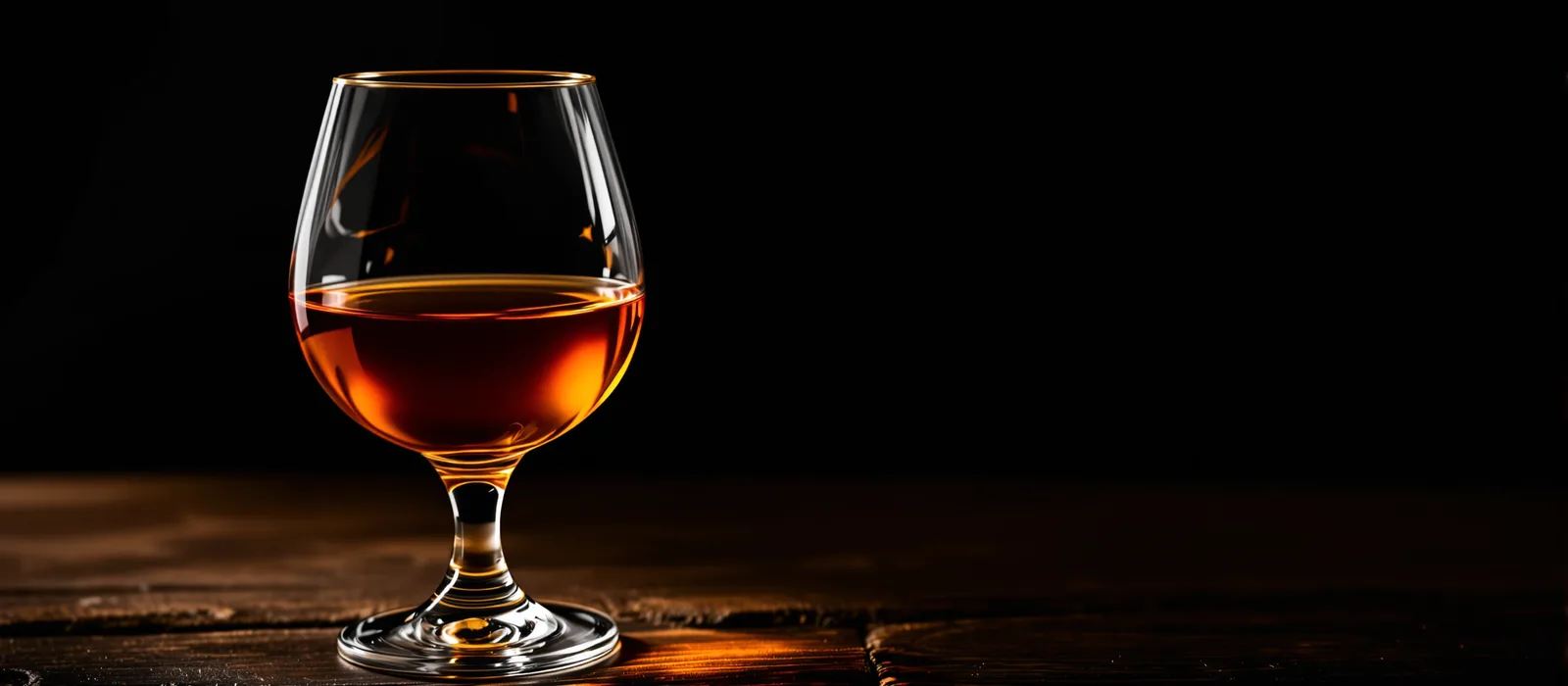
Jean Cavé does not publish a tasting note specific to its 1901, so we do not invent one. Armagnacs more than a century old often show an amber to mahogany colour, notes of candied fruit, walnut, prune and spices, and a pronounced rancio. Pour a small measure into a tasting glass, let it breathe, and take the time to discover it, as a digestif. For a brut de fût, a drop of water can help the aromas express themselves.
Giving a 1901 armagnac
A 1901 armagnac is a collector's gift: it celebrates the turn of a century, the anniversary of an association or of a house founded that year, a family handing down. Keep the bottle upright, away from light and changes in temperature.
Around this vintage, our cellar offers the 1900 armagnac, the last harvest of the nineteenth century, which also includes a Baron de Sigognac kept at Château de Bordeneuve, and the 1902 armagnac. The Bordeneuve estate, which produces the Baron de Sigognac armagnacs, keeps years dating back to 1893. For more recent years, discover Château de Laubade, Dartigalongue, Armagnac Delord, Castarède or Domaine de Pellehaut.
Frequently asked questions about 1901 armagnac
How much does a 1901 armagnac cost?
It depends on the rarity of the lot: for a 125 year old harvest, only a few bottles remain for sale. The price is shown on the product page, with the harvest date and the bottle size.
Where can I buy a 1901 armagnac?
In our online shop Plaisirs de Gascogne, specialising in vintage armagnac: add to basket from the product page, secure payment and careful delivery in France and Europe. Our customer service team remains available for any question.
What are the characteristics of the 1901 armagnac?
A Bas-Armagnac AOP from Jean Cavé, from a single harvest, without blending, brut de fût, in 70 cl with a wooden box.
Which spirits do we offer besides vintages?
Blended armagnacs, VSOP and XO, brut de fût bottlings, but also cognac, calvados and Floc de Gascogne, each chosen from its producer. The bottles come directly from the houses.
What is the history of the 1901 armagnac?
That of a wine from the first harvest of the twentieth century, distilled in Gascony then kept for more than a hundred years by the Cavé family.
Discover all our vintage armagnacs, year by year.
Please enjoy responsibly. Excessive alcohol consumption is harmful to health.



 Jean Cavé
113 bottles
 Armagnac Delord
92 bottles
 Baron de Sigognac
90 bottles
 Château de Millet
83 bottles
 Sempé
82 bottles
 Dartigalongue
77 bottles
 Marcel Trépout
72 bottles
 Clés des Ducs
67 bottles
 Château de Monluc
64 bottles
 Armagnac Castarède
63 bottles
 Château de Laubade
42 bottles
 Château de Bordeneuve
32 bottles