Three bottles for the same harvest
It is rare to find a vintage more than ninety years old at a single house; finding three is a stroke of luck. Each of these bottles nevertheless follows the same rule: the label bears the year of the harvest, and nothing else goes into the bottle. This is what separates dated armagnac from age-statement armagnacs (VSOP, XO, hors d'âge), blended from several years to maintain a consistent style.
What changes from one house to another is everything else: the vines, the still, the casks, the cellar, the bottling date and the final strength. Tasting three 1934s means measuring each family's imprint on the same harvest.
1934, the year of L'Atalante
1934 saw the release of L'Atalante, the only feature film by Jean Vigo, who died that same year (source: Wikipedia, article "L'Atalante"). In the spring, Italy hosted and won the second FIFA World Cup, beating Czechoslovakia in the final in Rome on 10 June (source: Wikipedia, article "Coupe du monde de football 1934"). In Gascony, the autumn harvest took its course and the wine went to the still during the winter. None of the three estates describes the quality of this harvest; we therefore do not comment on it.
Our three 1934 armagnacs
- Armagnac Castarède: a merchant house founded in 1832, still family-run, now led by Florence Castarède, the sixth generation, from Château de Maniban. Its 1934, at 40% ABV, spent 86 years in oak casks before being bottled in 2020. It is delivered in a case, which serves as a gift box;
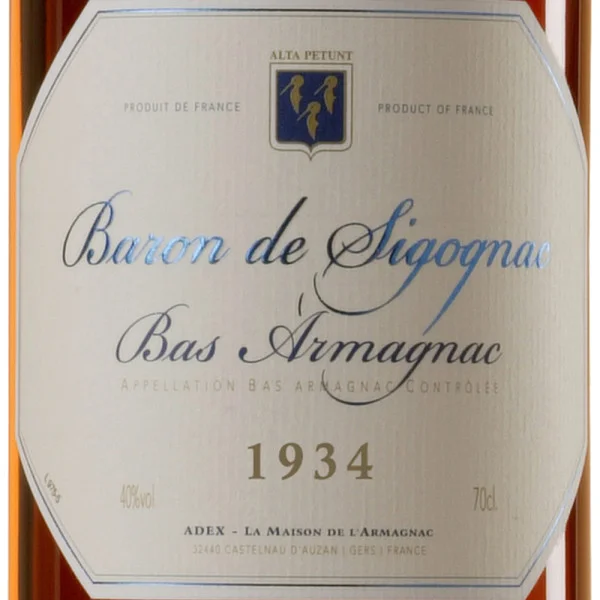
- Baron de Sigognac: a 1934 at 40% ABV, from ugni blanc and baco, aged at Château de Bordeneuve, in Castelnau d'Auzan. According to the house, its colour is a deep amber, its elegant and harmonious nose nicely marries fruit and wood, and the full, unctuous palate ends on a fine spicy finish;
- Jean Cavé: a 1934 Bas-Armagnac AOP at 43.7% ABV, bottled brut de fût, with no added water or blending. It comes from the family's reserve of old vintages, in Lannepax, and is presented in a wooden box.
Two armagnacs at 40% ABV, smoother, and a brut de fût at 43.7% ABV, more intense: the trio covers different sensibilities. If natural strength appeals to you, also browse our brut de fût armagnacs.
Castarède, Sigognac, Cavé: three stories
Castarède presents itself as the oldest independent, family-run merchant house in Armagnac. Its Bas-Armagnac vineyard includes ugni blanc, colombard, folle blanche and, since 2015, baco; distillation takes place in an Orthez-type armagnac still dating from 1942, and ageing begins in new casks before continuing in older ones. The house holds the Entreprise du Patrimoine Vivant label.
At Château de Bordeneuve, owned by the Guasch family since 1974, each Sigognac year ages separately, on the Bas-Armagnac lands near Eauze. In Lannepax, the Jean Cavé house, founded in 1883, has kept for four generations a paradis of demijohns where its oldest brandies rest. Three estates, three ways of accompanying time, in the tradition of French brandies.
Bas-Armagnac, a shared terroir
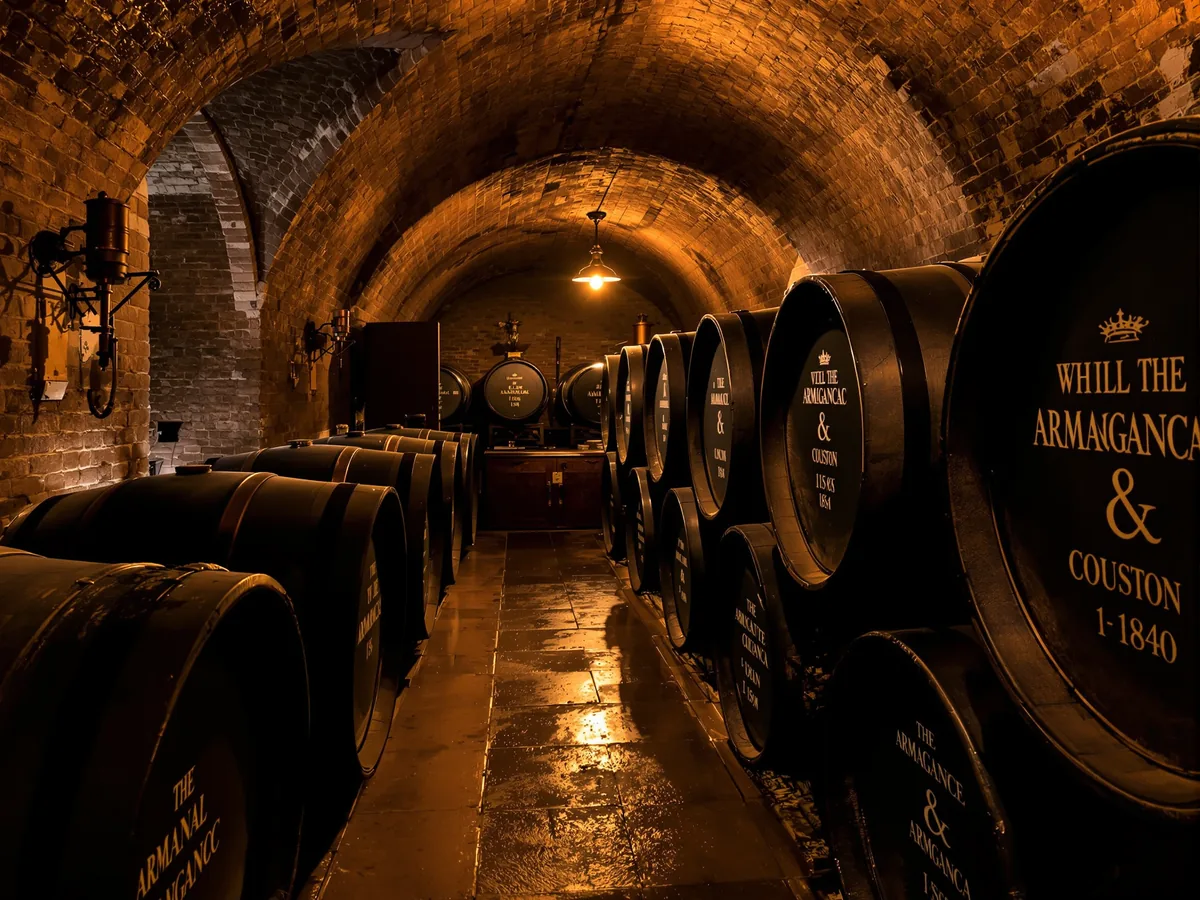
All three bottles come from Bas-Armagnac, the westernmost area of the appellation, alongside Ténarèze and Haut-Armagnac. Its tawny sands are reputed to give fine and fruity armagnacs. The dry white wine from these vines is distilled continuously, in a single heating, in the armagnac still, then the brandy matures in the cellar in oak casks. There it gains its colour, its tannins and its aromas, while evaporation, the angels' share, gently lowers its strength. Bottling stops this ageing: the Castarède, bottled in 2020, thus spent 86 years in wood.
Tasting three 92 year old armagnacs side by side
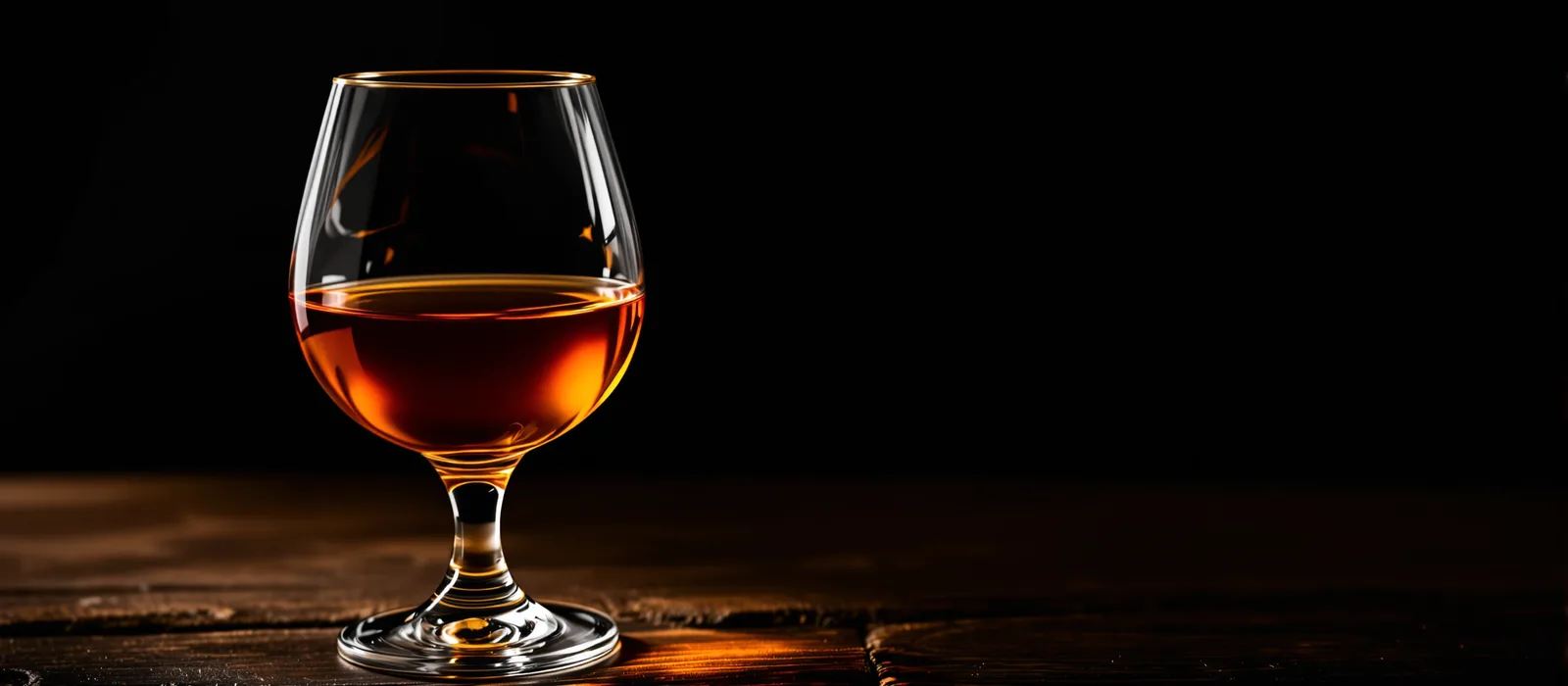
If you are lucky enough to bring all three together, serve them in identical tulip glasses, at room temperature, starting with the two bottles at 40% ABV and finishing with the brut de fût. Let each glass open up for a few minutes. Old armagnacs often reveal a mahogany colour, then prune, candied fruit, vanilla, cocoa, leather, spices and rancio, in a complex and delicate whole; the Sigognac, according to its product sheet, adds a fine spicy finish. Note the colour, the length on the palate, the warmth of the alcohol: the differences between houses are often striking.
A single bottle is of course enough for a fine tasting moment. A few centilitres, a tulip glass, time: that is all it takes. On the first day, note your impressions; the last glass, weeks later, often reveals other flavours, such as hazelnut or a bouquet of dried fruit.
Other houses of the region
For more recent years, our online cellar covers most of the appellation: Château de Laubade, a great Bas-Armagnac estate, Domaine de Pellehaut, in Ténarèze, Dartigalongue, in Nogaro since 1838, as well as Château de Millet and Armagnac Delord. A younger Laubade, Pellehaut or Dartigalongue, tasted after a 1934, shows the whole journey a brandy makes over the decades. This is one of the great joys of armagnac compared with cognac: the diversity of houses, terroirs and ages.
A birth-year gift for a 92nd birthday
In 2026, people born in 1934 celebrate their 92nd birthday. Giving them an armagnac from that year means giving them a brandy that has lived through their entire life. The Castarède in its case and the Jean Cavé in its wooden box are ready to give. For collectors, the 1934 fits between the 1933 armagnac and the 1935 armagnac.
Among the gift ideas in our shop, few carry as much meaning as a spirit born in the same year as the person being celebrated. Unsure which to choose? Our team will answer you before you order.
Keep the bottle upright, somewhere cool and away from light. Unopened, it will keep for years; once opened, it is best enjoyed within the following months.
Frequently asked questions about 1934 armagnac
What is the price of a 1934 armagnac?
It varies from one house to another depending on the strength, the presentation and the rarity of the lot. The price of each is shown on its product page, with its bottle size: the price of an armagnac more than ninety years old reflects above all its rarity.
Where can I buy a 1934 armagnac?
In the Plaisirs de Gascogne online shop, a specialist in vintage armagnacs from the South West. Your purchase is protected by secure payment; shipping is done with careful packaging, for delivery in France and across Europe. You also have a customer service team to help you choose between the three houses.
Which houses offer a 1934 armagnac?
In our selection: Armagnac Castarède, Baron de Sigognac and Jean Cavé, three Bas-Armagnac houses.
What are the characteristics of the 1934 armagnac?
Three armagnacs from a single harvest: two at 40% ABV (Castarède, bottled in 2020 after 86 years in cask, and Sigognac), and one brut de fût at 43.7% ABV (Jean Cavé).
Find all our vintage armagnacs, year by year.
Please enjoy responsibly. Excessive alcohol consumption is harmful to health.