1993 vintage armagnac: what goes into the bottle
A vintage armagnac is defined by one simple rule: all its brandies come from the same harvest. The 1993 is therefore made solely from grapes harvested in 1993. Nothing like a blend such as a VSOP, an XO or a hors d'âge, built from several harvests to find the same profile from one batch to the next. In a vintage, you find one harvest and the touch of one cellar.
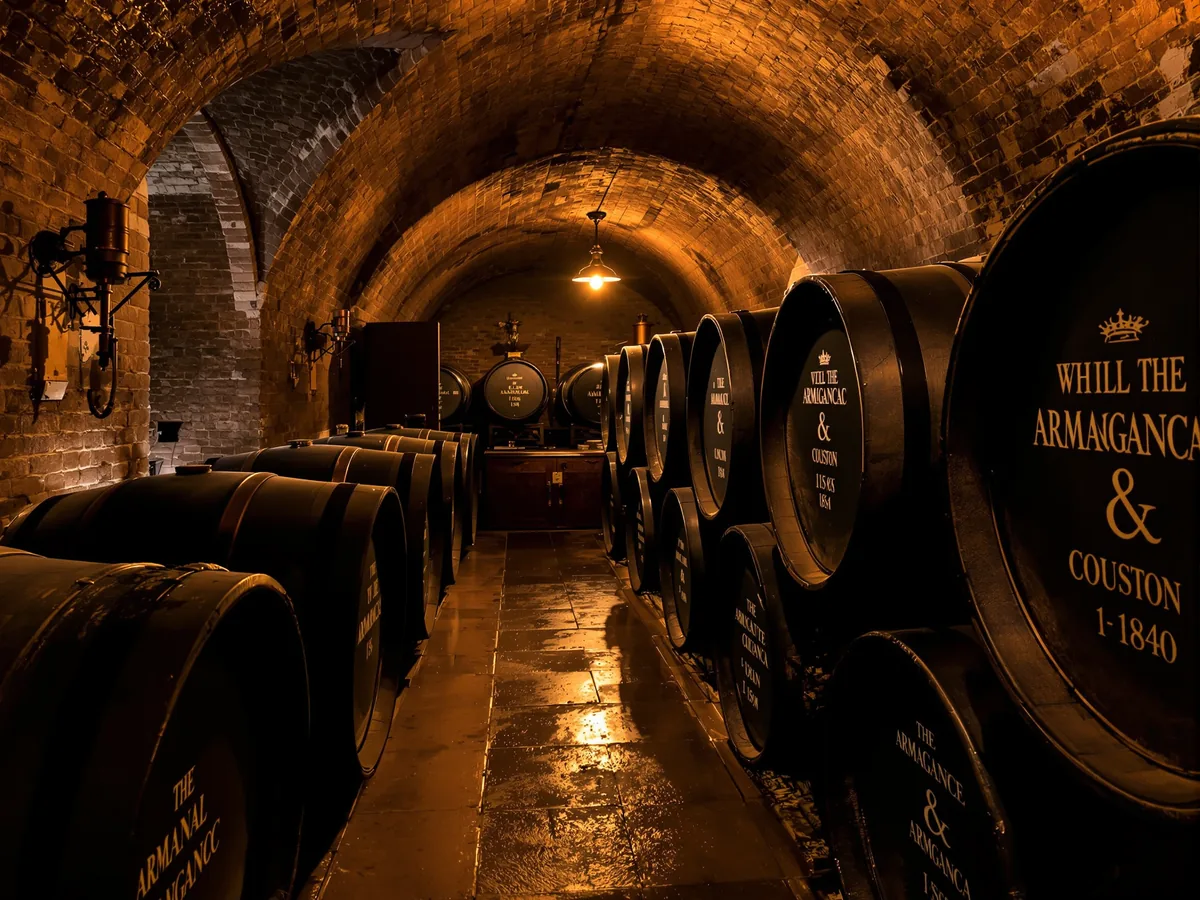
The path is always the same in Gascony. A dry white wine is made from ugni blanc, baco, folle blanche or colombard. During the winter, this wine goes through the armagnac still, which distils continuously. The brandy that flows from the still is clear; it is the oak cask that, over time in the cellar, gives it its colour, its woody and vanilla aromas and its roundness.
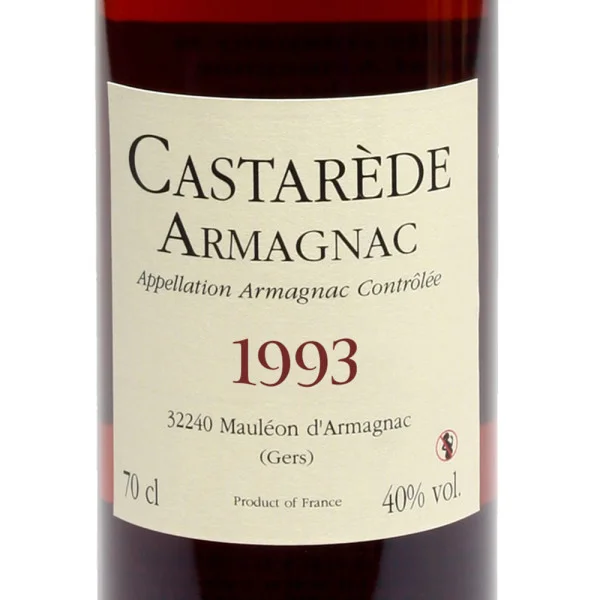
Note that armagnac stops ageing once bottled. The bottling date, when known, tells you how long it spent in cask. For the Castarède 1993, that is 27 years, until 2020.
1993, the year the Web opened to all and the European Union was born
On 30 April 1993, CERN put the World Wide Web software into the public domain, paving the way for its worldwide growth. On 1 November, the Maastricht Treaty came into force and created the European Union. In the region, far from this news, the Gascon estates followed their age-old rhythm: harvest in autumn, distillation in winter, then a long rest for the brandies in cask.
Our 1993 armagnacs, one estate after another
Seven houses, seven perspectives on the same harvest. Terroir, grape varieties, strength and length of ageing explain their differences:
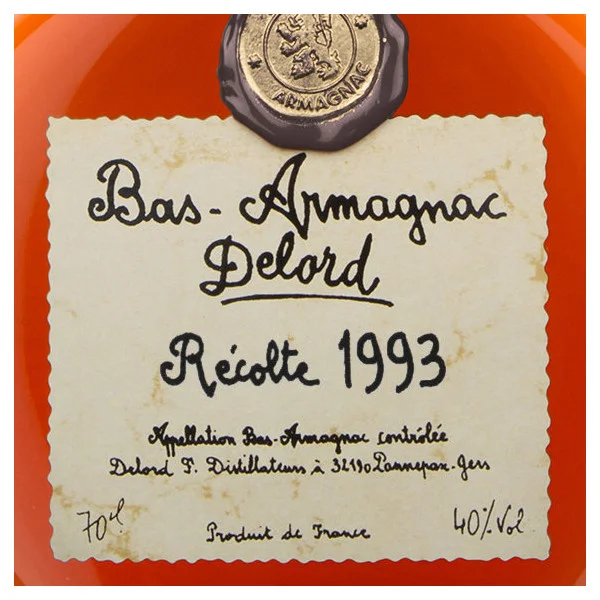
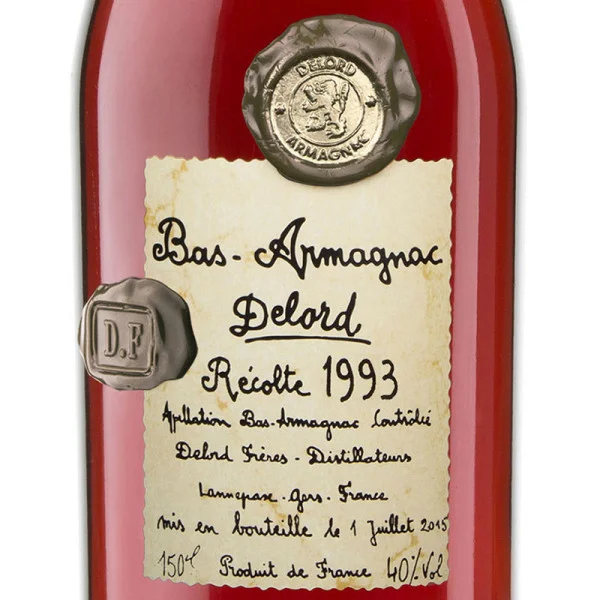
- Armagnac Delord, a family house in Lannepax, in Bas-Armagnac, founded in 1893: a 1993 at 40% ABV, in bottle and magnum, with smoke, tobacco, vanilla and fine oak, and a slightly astringent palate where the wood tannins can be felt;
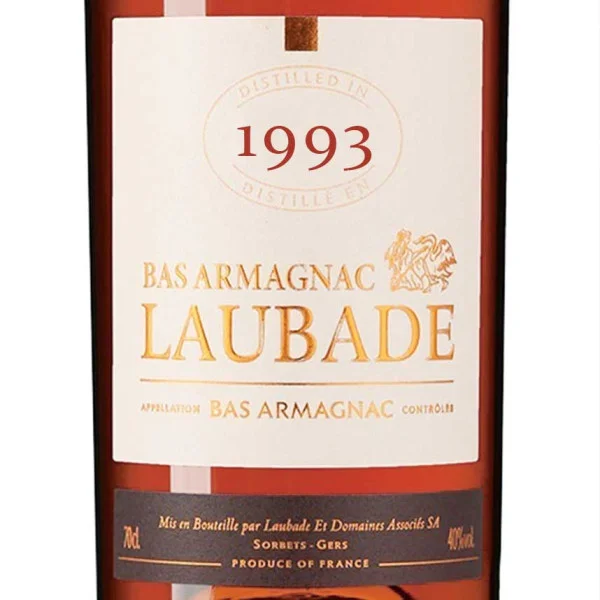
- Château de Laubade, in Sorbets, in Bas-Armagnac: a 1993 at 40% ABV, aged in 420 litre Gascon oak casks, with candied fruit, coffee and integrated oak, and a balanced, persistent palate;
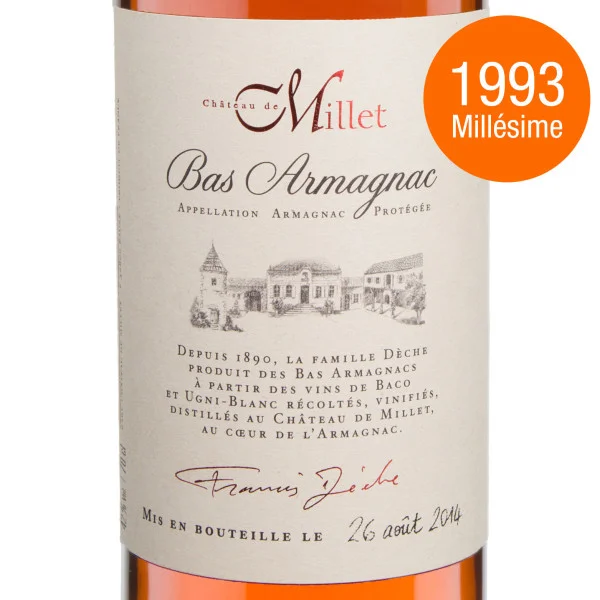
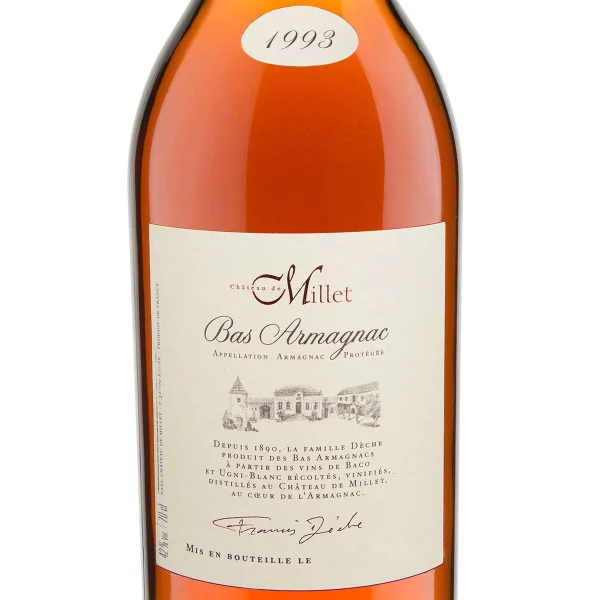
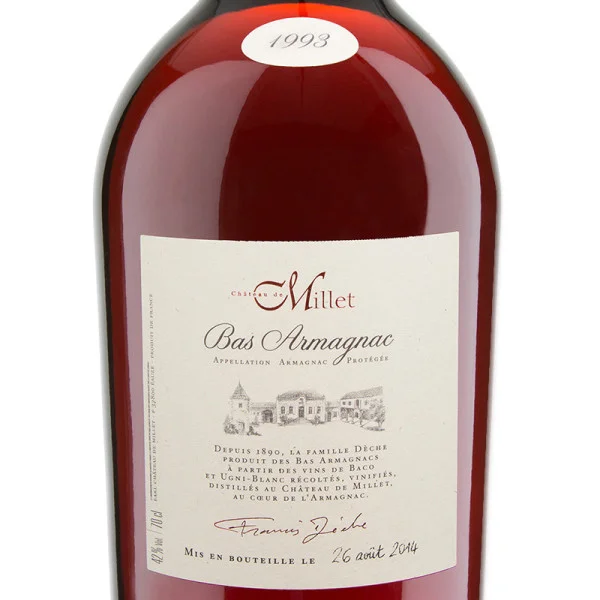
- Château de Millet, the Dèche family estate in Eauze: a 1993 at 42% ABV, from baco and ugni, in bottle, magnum and 250 cl Gascon pot; the château has not published tasting notes for this vintage, so we do not invent any;
- Dartigalongue, a Nogaro house, in the heart of Bas-Armagnac, since 1838: a 1993 at 42% ABV, with a nose of sandalwood and blond tobacco, a powerful attack, generous tannins and a finish of caramel and tarte tatin;
- Armagnac Castarède, a house founded in 1832: a 1993 at 40% ABV, which spent 27 years in cask before being bottled in 2020;
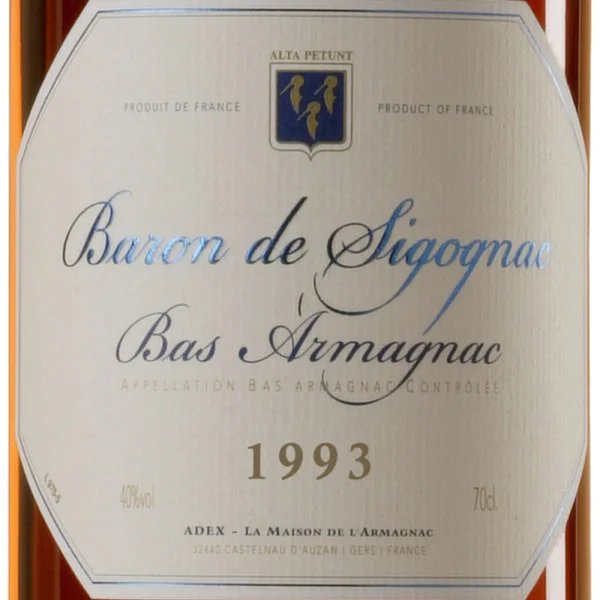
- Baron de Sigognac, at Château de Bordeneuve: a 1993 at 40% ABV, from ugni blanc and baco, pale amber in colour, fine and fresh, round on the palate with a fruity, toasted finish;
- Jean Cavé, a distiller and ageing house in Lannepax since 1883: a brut de fût (cask strength, not reduced) at 49.6% ABV, bottled at its natural strength.
If you like unreduced brandies, find it alongside other vintages among our brut de fût armagnacs.
Tasting notes for 1993 armagnac
Thirty-three years after the harvest, our 1993s show two faces. On one side, fine, fresh and round brandies, with candied fruit and toast, as at Sigognac or Laubade. On the other, more structured armagnacs, where wood, tobacco, smoke and sandalwood assert themselves, with very present tannins, as at Delord or Dartigalongue. The Jean Cavé brut de fût, close to 50% ABV, adds a more powerful dimension.
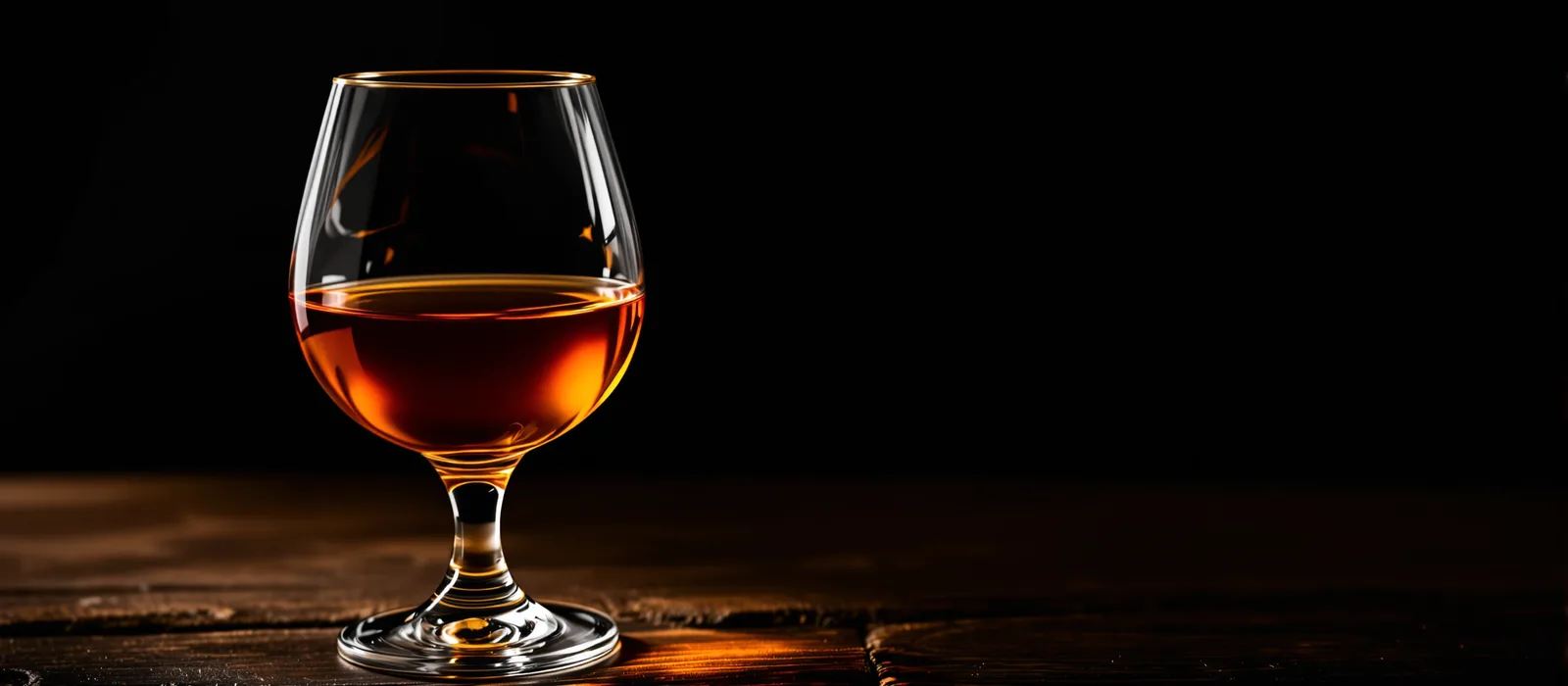
For tasting, take a tulip glass and serve at room temperature, without ice. Let it breathe, smell it first from a distance, then closer. Warm the glass in your hand and taste in small sips. A square of dark chocolate, a tarte tatin or a strong coffee suit it well at the end of a meal.
How to choose your 1993 armagnac
Three pointers make the choice easier. Style, first: round and fruity for a first discovery, more tannic and oaky for a lover of character. Strength, next: 40% ABV for softness, 42% ABV for a little more tension, close to 50% ABV for intensity. Size, finally: 70 cl bottle, 150 cl magnum or Gascon pot for a large gathering. Depending on the house, the bottle comes in a case or a gift box. For any question about a bottle, our customer service will answer you before you buy.
A gift for a 33rd birthday, then the 40th in 2033
People born in 1993 are 33 in 2026, and couples married in 1993 celebrate 33 years together; the 40th will come in 2033. An armagnac from their year is a personal nod: the brandy was distilled in the winter after their birth or their wedding, then waited patiently in Gascony ever since. To give right away or to set aside for the big anniversary.
Storing your 1993 armagnac
Keep the bottle upright, away from light and heat, otherwise the alcohol would damage the cork. Unopened, it keeps for a very long time. Once opened, it stays enjoyable for several months; when only a little is left at the bottom, finish it to enjoy its aromas.
Frequently asked questions about 1993 armagnac
What is the best 1993 armagnac?
The one that suits the taste of the person who will drink it. For finesse, Sigognac or Laubade; for structure, Delord or the Dartigalongue house; for power, the Jean Cavé brut de fût.
Which producers of 1993 armagnac do you offer?
Delord, Château de Laubade, Château de Millet, Dartigalongue, Castarède, Baron de Sigognac and Jean Cavé, all based in the Gers.
How much does 1993 armagnac cost?
Prices vary with the house, the bottle size (bottle, magnum, Gascon pot) and the strength. Each product page shows its price.
Where can I buy a 1993 vintage armagnac?
Online, at Plaisirs de Gascogne, a shop specialising in vintage armagnac: bottles direct from the estates, secure payment, shipping in suitable packaging and delivery in France and across Europe.
For a neighbouring year, see the 1995 armagnac, or browse all our vintage armagnacs.
Please enjoy responsibly. Excessive alcohol consumption is harmful to health.



 Jean Cavé
113 bottles
 Armagnac Delord
92 bottles
 Baron de Sigognac
90 bottles
 Château de Millet
83 bottles
 Sempé
82 bottles
 Dartigalongue
77 bottles
 Marcel Trépout
72 bottles
 Clés des Ducs
67 bottles
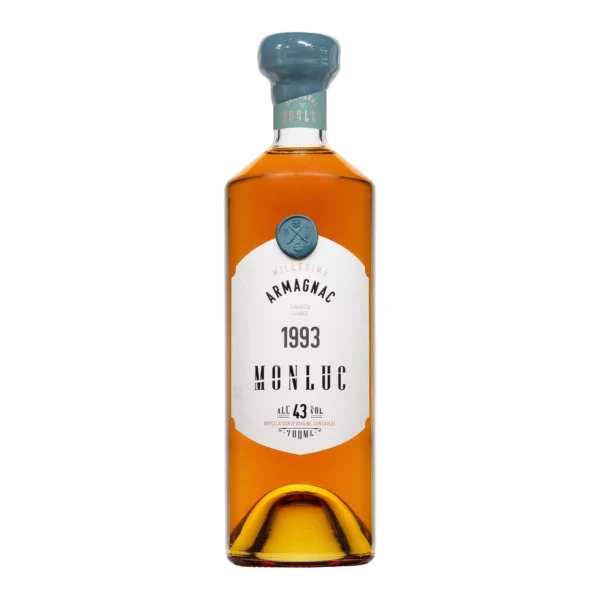
 Château de Monluc
64 bottles
 Armagnac Castarède
63 bottles
 Château de Laubade
42 bottles
 Château de Bordeneuve
32 bottles