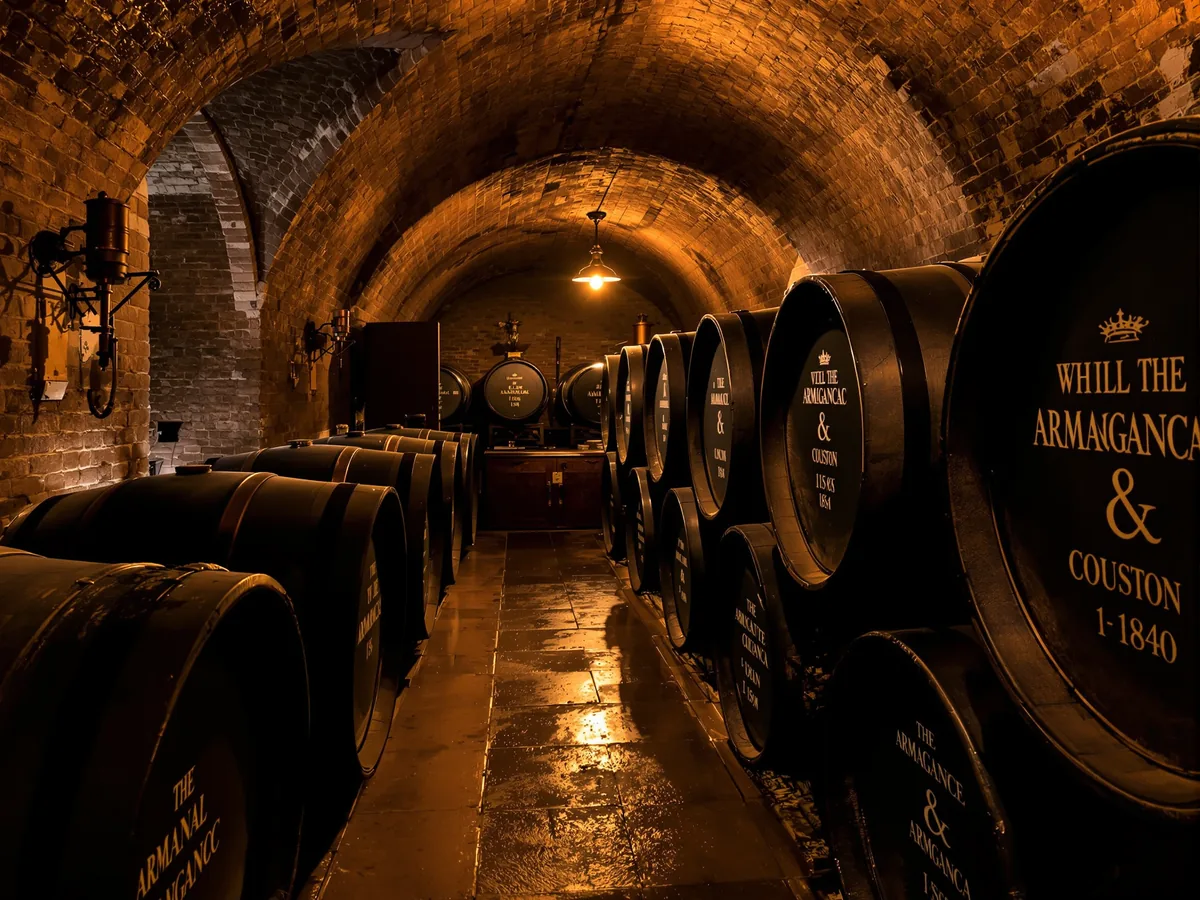
The 1916 vintage, 110 years of history
A vintage armagnac is the armagnac of a single harvest, here that of 1916. The wine of that year was distilled, then aged in cask without ever being mixed with other harvests, unlike a VSOP, an XO or a hors d'âge armagnac, which blend several ages to keep a consistent style. This centenarian vintage is among the oldest in our shop.
1916, Verdun and the Somme
The Battle of Verdun took place from 21 February to 18 December 1916, in the Meuse (source: Wikipedia, article "Battle of Verdun"). On 1 July of the same year, the British and French armies launched the Somme offensive (source: Wikipedia, article "Battle of the Somme"). In the Gers, the harvest was then brought in without a large part of the men, who had left for the front. No producer source describes the quality of the 1916 harvest, and we do not characterise it.
Our 1916 armagnac from Jean Cavé
This bottle of armagnac comes from the collection of old vintages of the Jean Cavé house, founded in Lannepax in 1883 and represented today by Henri Cavé, the fourth generation. Here is the information given by the product sheet, with nothing added:
- appellation: Bas-Armagnac AOP;
- a lot from a single harvest, without any blending;
- bottled brut de fût, without added water: the armagnac keeps its natural strength, shown on the label;
- 70 cl bottle presented in a wooden box, a ready-to-give case.
Find other bottles in this style among our brut de fût armagnacs.
From Gascon wine to old armagnac
Armagnac is born from a white wine of Gascony, in the South West. Four grape varieties dominate its production: ugni blanc, baco blanc, folle blanche and colombard. The appellation has three terroirs, Bas-Armagnac, Ténarèze and Haut-Armagnac. The wine passes once through the armagnac still, in continuous distillation, whereas cognac is distilled twice. Then begins the ageing in oak casks, in the cellar: the brandy takes on its colour, its tannins and its character there, while its strength slowly falls. Once bottled, it no longer ages. The Cavé house, some of whose armagnacs have spent decades in wood, keeps its oldest treasures in its "paradis", the part of the cellar reserved for historic lots.
Tasting a 110 year old armagnac
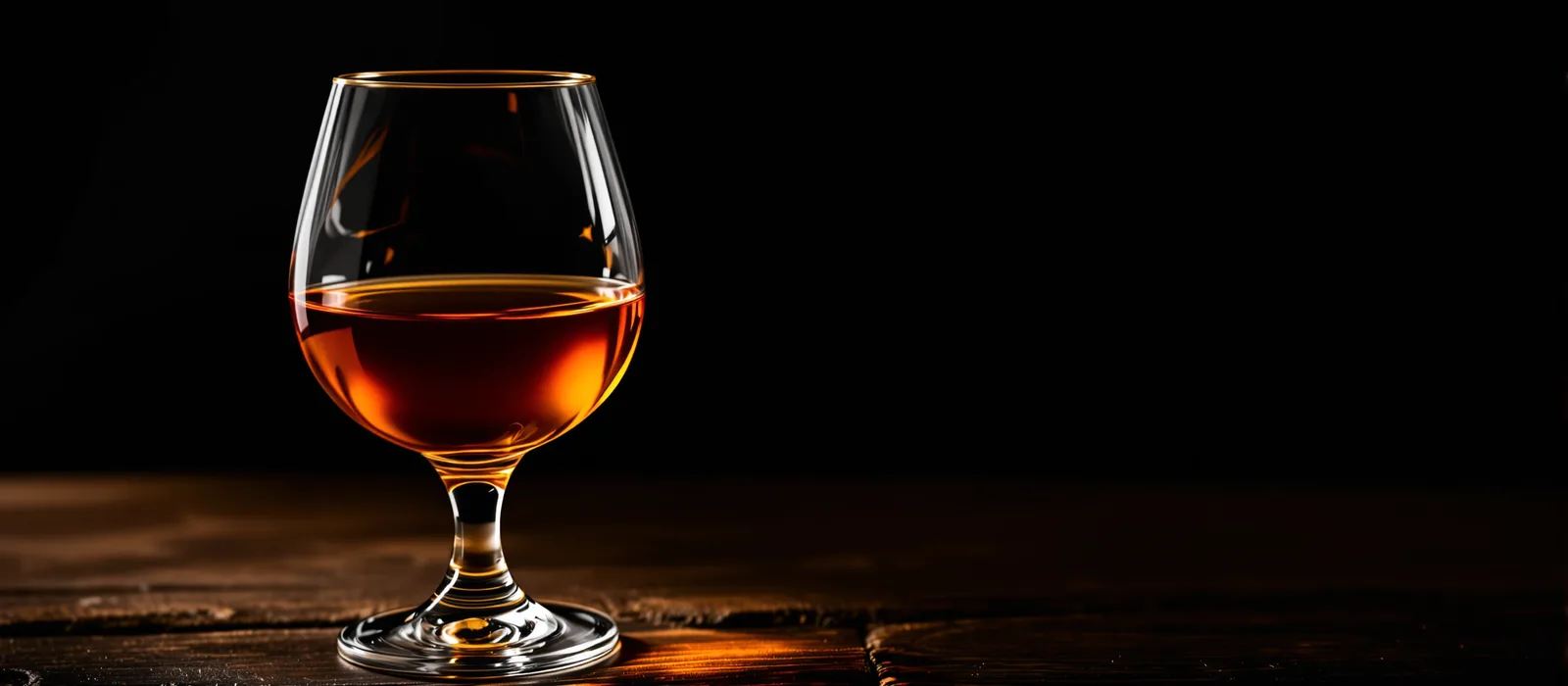
Jean Cavé does not publish a tasting note for this 1916; we do not invent one. Armagnacs more than a century old often offer aromas of prune, dried fruit, spices and rancio, and great length on the palate. Our advice: serve it as a digestif, at room temperature, in a tulip glass, in a small measure, and let it breathe before discovering it. A brut de fût takes a drop of water well.
Giving a 1916 armagnac
In 2026, this vintage reaches 110 years: a rare gift for a 110th birthday, a family commemoration, someone passionate about the First World War or a collector of old spirits. Store the bottle upright, away from light and heat; unopened, it keeps for a very long time.
Neighbours of this vintage: the 1915 armagnac and the 1918 armagnac. For more recent years, discover Château de Laubade, Castarède, Dartigalongue, Armagnac Delord or Domaine de Pellehaut. Our shop also offers cognac, calvados and Floc de Gascogne.
Frequently asked questions about 1916 armagnac
How much does a 1916 armagnac cost?
The price reflects the rarity of a 110 year old armagnac; it is shown on the product page, with the bottle size.
Where can I buy a 1916 armagnac?
Online, on Plaisirs de Gascogne: add the bottle to your basket, confirm your order with secure payment, and delivery is made in France and Europe. For any question before buying, our customer service team can be reached from the contact page.
What are the characteristics of the 1916 armagnac?
A Bas-Armagnac AOP from Jean Cavé, from a single harvest, brut de fût, without blending, in 70 cl with a wooden box.
What is the history of the 1916 armagnac?
That of a wine harvested during the Great War, distilled in Bas-Armagnac, then kept for more than a hundred years by a family from Lannepax.
Discover all our vintage armagnacs, year by year.
Please enjoy responsibly. Excessive alcohol consumption is harmful to health.



 Jean Cavé
113 bottles
 Armagnac Delord
92 bottles
 Château de Millet
83 bottles
 Dartigalongue
76 bottles
 Baron de Sigognac
69 bottles
 Armagnac Castarède
63 bottles
 Clés des Ducs
48 bottles
 Château de Laubade
43 bottles
 Domaine de Pellehaut
28 bottles
 Château de Bordeneuve
17 bottles
 Charles de Granville
13 bottles
 Roger Groult
7 bottles