What the number 1978 means on an armagnac label
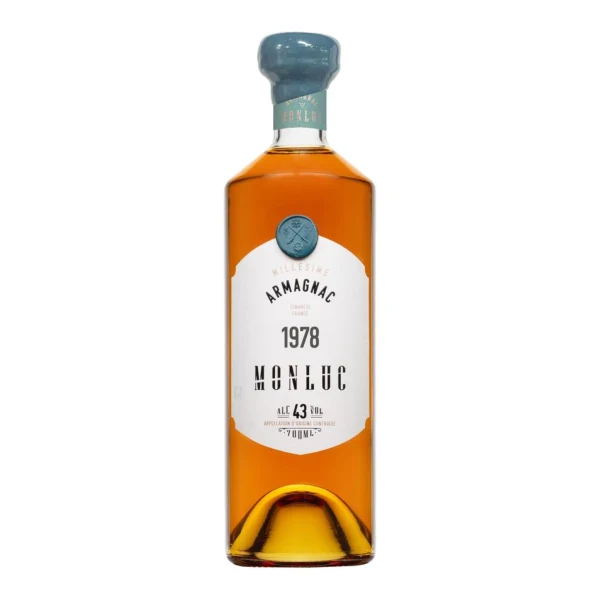
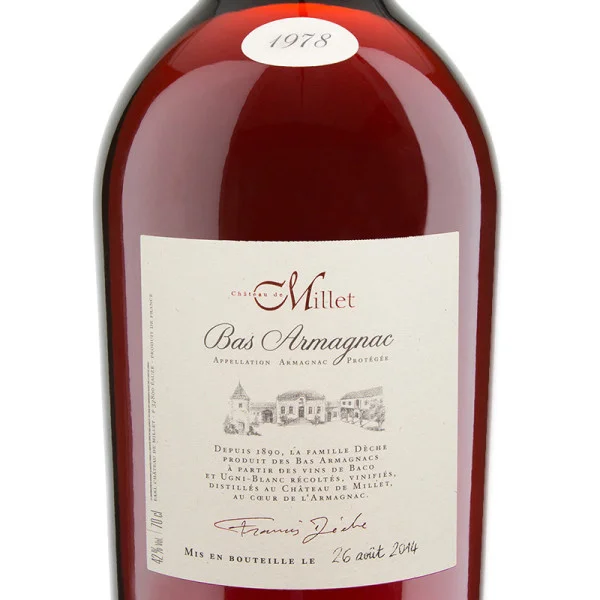
On a bottle of armagnac, the vintage refers to the year of the harvest. A 1978 vintage armagnac therefore contains only brandies born from grapes harvested in 1978, with nothing added from another year. A VSOP, an XO or a hors d'âge follow a different logic: they blend brandies of different ages to maintain a consistent style. The vintage, on the other hand, captures one harvest and the way a house aged it.
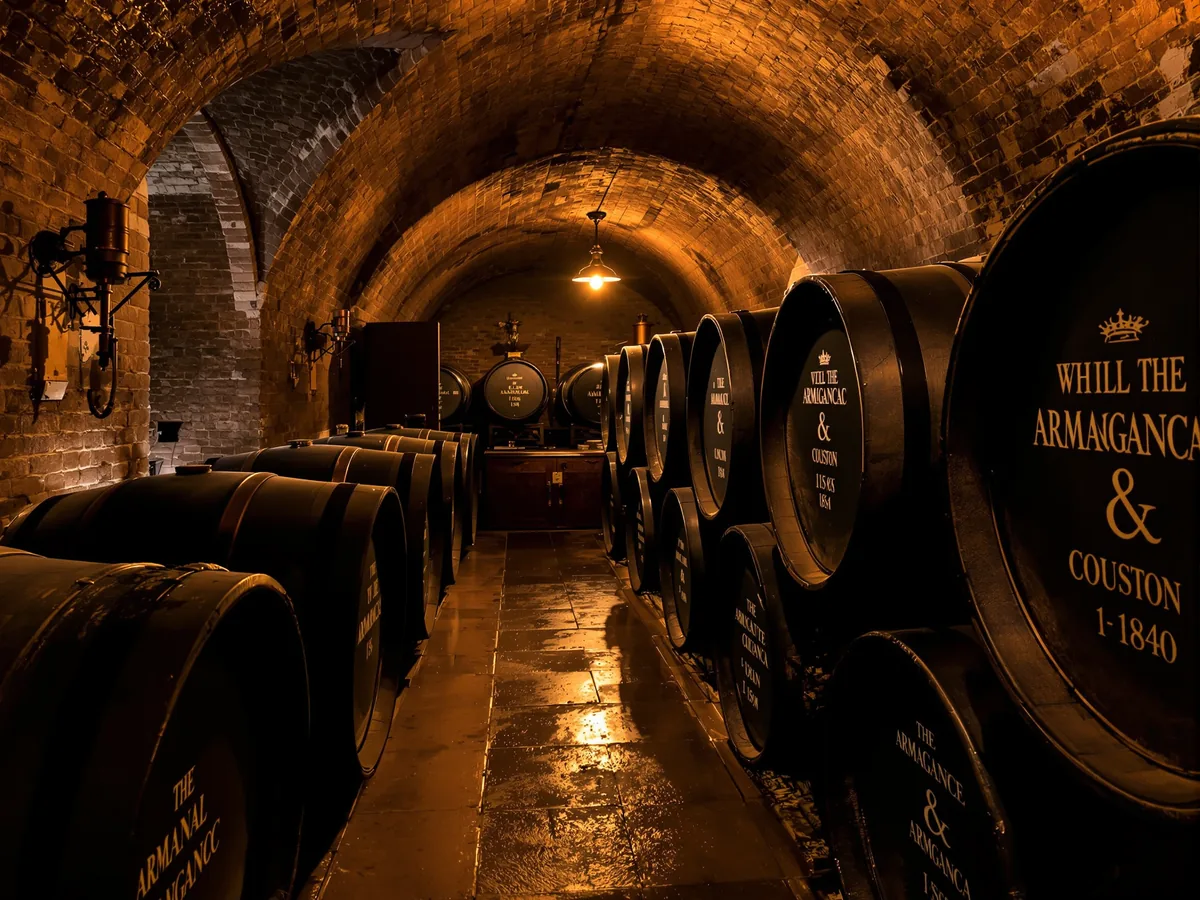
The starting point is a dry white wine, made from the grape varieties of the appellation: ugni blanc, baco, folle blanche and colombard. During the winter after the harvest, it is distilled in the armagnac still, a continuous still, following the Gascon tradition. The brandy comes out colourless, then goes into oak casks. In the shade of the cellar, it interacts with the oak, evaporates a little, takes on an amber colour and gains roundness. Almost half a century later, it is this long ageing that you find in the glass.
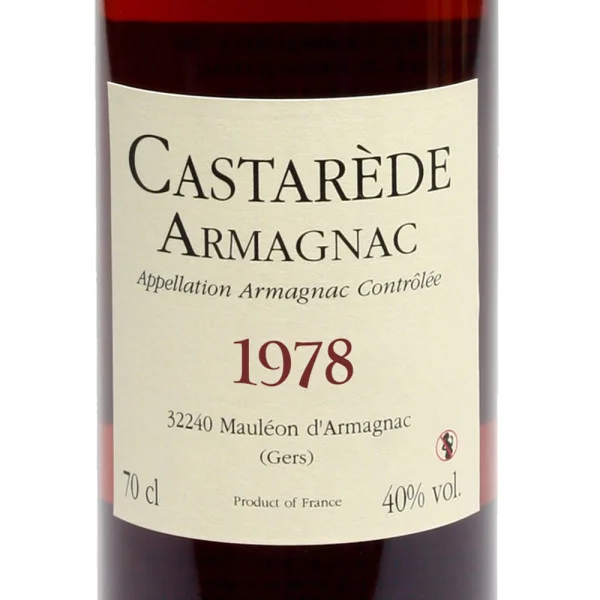
A useful point of reference: cask-aged armagnac stops evolving as soon as it is bottled. When the label shows the bottling date, it tells you how many years your 1978 aged in cask: 42 years at Castarède, which bottled it in 2020.
1978, the year of a pope from Poland and a World Cup in Argentina
In June 1978, Argentina hosted the football World Cup and won it. On 16 October that year, the Polish cardinal Karol Wojtyla became pope under the name John Paul II, the first non-Italian pontiff in more than four centuries. Meanwhile, in Gascony, winegrowers were bringing in their harvest, distilling their wines and filling their casks: it is these patient brandies that we offer you today.
Our 1978 armagnacs, producer by producer
Nine Gascon producers, nine interpretations of the same year. Terroir, grape varieties, strength and length of ageing make all the difference:
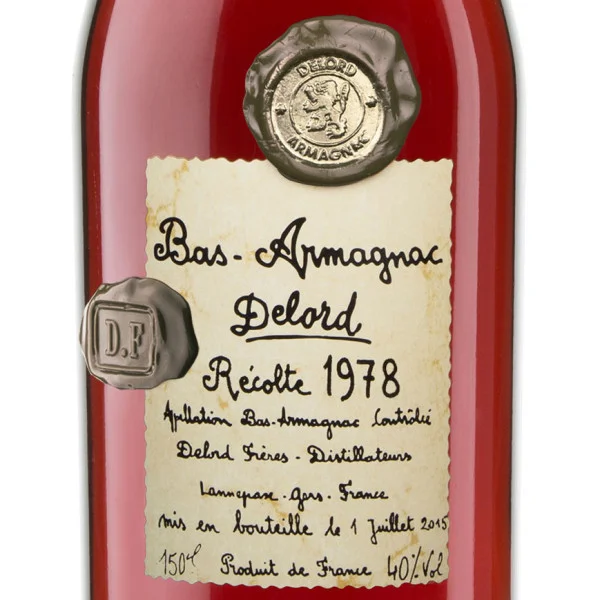
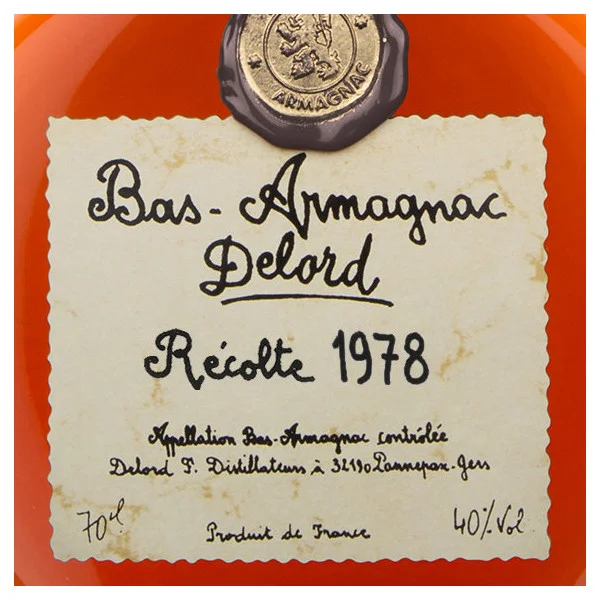
- Armagnac Delord, a family house founded in 1893 in Lannepax, where the 1978 aged in Gascon oak casks in the family cellar: a 1978 at 40% ABV, in 70 cl and 150 cl magnum, with a smooth, complex nose marked by rancio, ginger, pepper and blond tobacco, and a broad palate with vanilla and toasted notes;
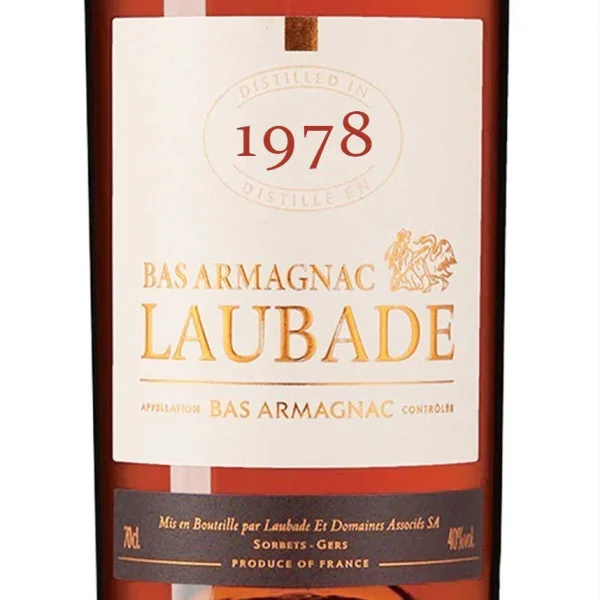
- Château de Laubade, in Sorbets, in Bas-Armagnac: a 1978 at 40% ABV, made from the four grape varieties and aged in 420 litre Gascon oak casks, with dried fruit, almond, fig and light vanilla oak, and a supple, round palate;
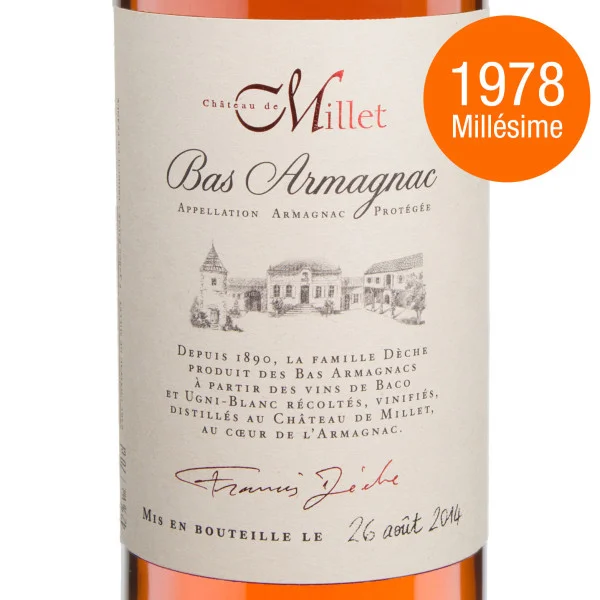
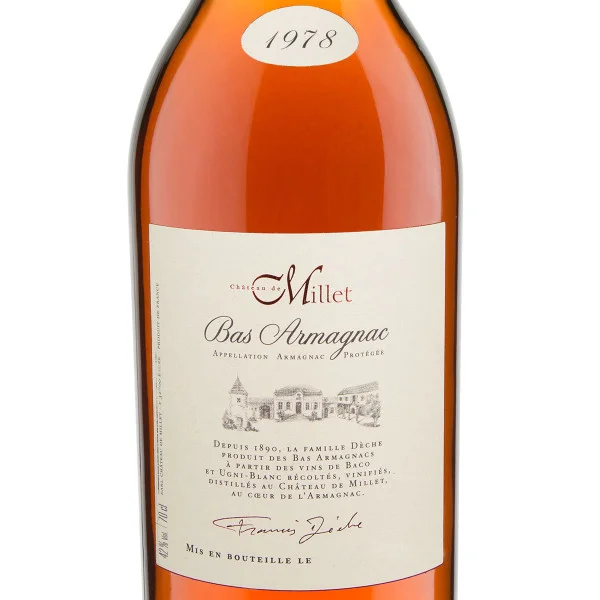
- Château de Millet, the Dèche family estate in Eauze: a 1978 at 42% ABV, from baco and ugni blanc, in 70 cl, magnum and 250 cl Gascon pot; the house does not publish tasting notes for this year;
- Dartigalongue, in Nogaro since 1838: a 1978 at 42% ABV, with a nose of sandalwood, old leather and flowers, a dry attack, a mid-palate of peach and a rancio finish;
- Armagnac Castarède, a house founded in 1832: a 1978 at 40% ABV, which spent 42 years in cask, with an amber colour and copper highlights, a delicate nose of vanilla and cinnamon, mellow and silky on the palate with prune and spices;
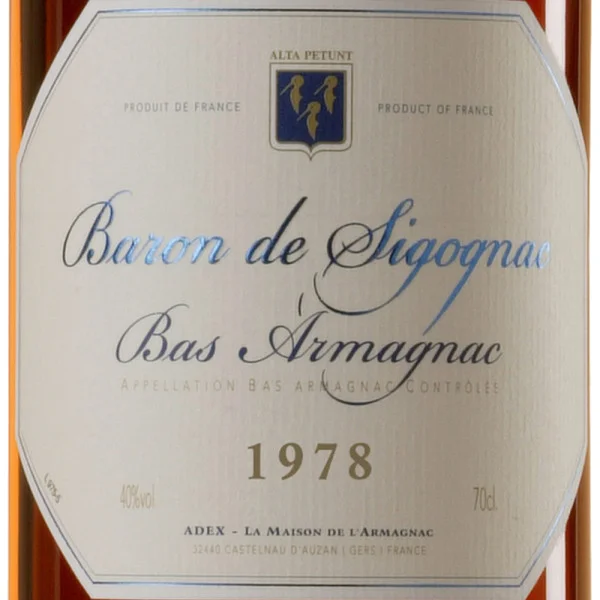
- Baron de Sigognac, at Château de Bordeneuve: a 1978 at 40% ABV, from ugni blanc and baco, distilled on an almost century-old column still and then aged separately, year by year, in the Bordeneuve cellars;
- Clés des Ducs, a house in Panjas: a 1978 at 40% ABV, never blended, chosen cask by cask for discreet oak;
- Domaine de Danis, in Castelnau-d'Auzan: a brut de fût at 46% ABV, distilled from baco and ugni blanc before the estate devoted itself to folle blanche, bottled in March 2022, with stewed exotic fruit, blackcurrant and Christmas spices, then chocolate, salted caramel and tobacco;
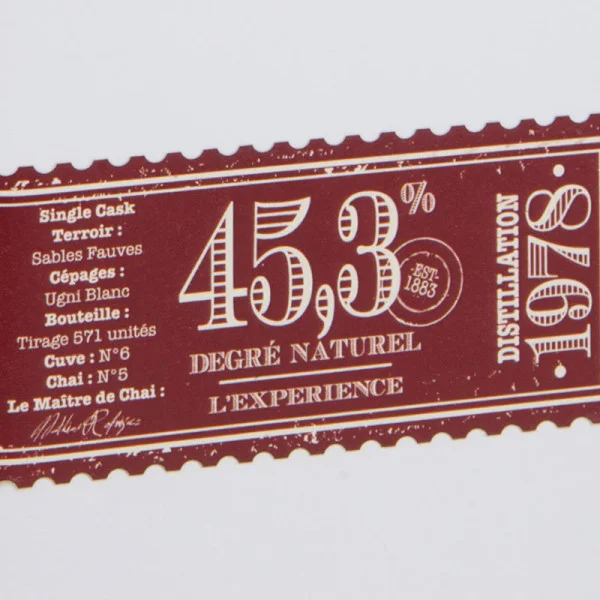
- Jean Cavé, a distiller and ageing house in Lannepax since 1883: two 1978 brut de fût bottlings, including the limited Experience series, from ugni blanc, with a mahogany colour, rancio and dried fruit.
These brut de fût bottlings, bottled without reduction, also have their place among our brut de fût armagnacs.
The aromas of a 1978 armagnac
Forty-eight years after the harvest, the 1978s in our selection share real depth. On the nose come rancio, prune, fig, dried fruit, leather, blond tobacco, sandalwood and sweet spices. On the palate, depending on the house, the texture ranges from supple and round (Laubade, Castarède) to drier and more lively (Dartigalongue). The brut de fût bottlings from Danis and Jean Cavé, more concentrated, benefit from a few minutes to open up in the glass.
How to taste a 1978 armagnac
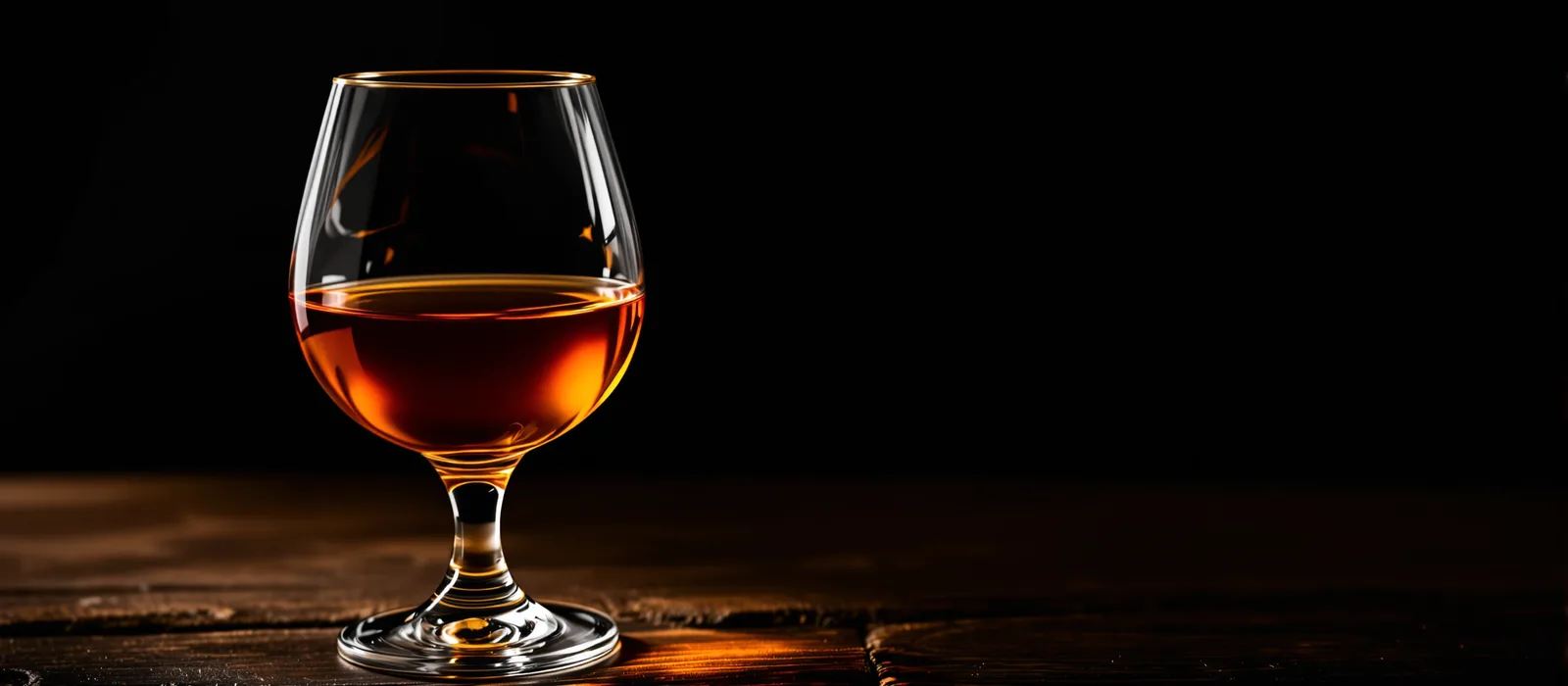
Pour a small measure into a tulip glass, at room temperature and without ice. Look at the colour, breathe it in without insisting, then come back to the glass after a few minutes: an old armagnac reveals itself in stages. Hold the glass in your hand to warm it gently, and drink in small sips. As a digestif, a square of dark chocolate, a few walnuts or a cigar make good companions.
48 in 2026, 50 in 2028: 1978 armagnac as a gift
People born in 1978 celebrate their 48th birthday in 2026; 2028 will bring their 50th, and the golden wedding anniversary for couples married in 1978. Giving a brandy distilled in the year of their birth means giving a piece of their story, aged in Gascony all this time. For a large gathering, the Delord or Millet magnum and the Millet Gascon pot are made for sharing; for a personal gift, the 70 cl bottle remains the most popular choice, and a brut de fût will delight the informed connoisseur.
Keeping a 1978 bottle properly
Store it upright, away from light and sources of heat, so that the alcohol stays away from the cork. Unopened, it goes through the years unchanged. Once opened, it keeps for several months; when only a little is left at the bottom, it is best to finish it to enjoy all its aromas.
Frequently asked questions about 1978 armagnac
What is the best 1978 armagnac?
It all depends on the taste of the person who will drink it. For a round, easy-drinking bottle, consider Laubade, Castarède or Sigognac at 40% ABV; for more character, Dartigalongue or Millet at 42% ABV; for power, a brut de fût from Danis or Jean Cavé.
What are the characteristics of the 1978 armagnac?
A brandy from a single harvest, unblended, made from ugni blanc, baco, folle blanche or colombard depending on the estate, aged for almost half a century in oak casks. The strength ranges from 40% ABV for the reduced vintages to 46% ABV for the Danis brut de fût.
Who are the producers of 1978 armagnac?
In our selection: Delord, Château de Laubade, Château de Millet, Dartigalongue, Castarède, Baron de Sigognac, Clés des Ducs, Domaine de Danis and Jean Cavé, all based in the Gers.
How much does a 1978 armagnac cost?
It varies with the house, the size (70 cl, magnum, Gascon pot) and the strength, reduced or brut de fût. The price of each bottle is shown on its product page.
Where can I buy 1978 armagnac?
At Plaisirs de Gascogne, an online shop dedicated to vintage armagnac: the bottles come directly from the Gascon estates, payment is secure and delivery is available in France and across Europe, in suitable packaging. Our customer service will answer your questions before you order.
Not sure about the year? See also the 1977 armagnac, the 1979 armagnac and all our vintage armagnacs.
Please enjoy responsibly. Excessive alcohol consumption is harmful to health.



 Jean Cavé
113 bottles
 Armagnac Delord
92 bottles
 Baron de Sigognac
90 bottles
 Château de Millet
83 bottles
 Sempé
82 bottles
 Dartigalongue
77 bottles
 Marcel Trépout
72 bottles
 Clés des Ducs
67 bottles
 Château de Monluc
64 bottles
 Armagnac Castarède
63 bottles
 Château de Laubade
42 bottles
 Château de Bordeneuve
32 bottles