
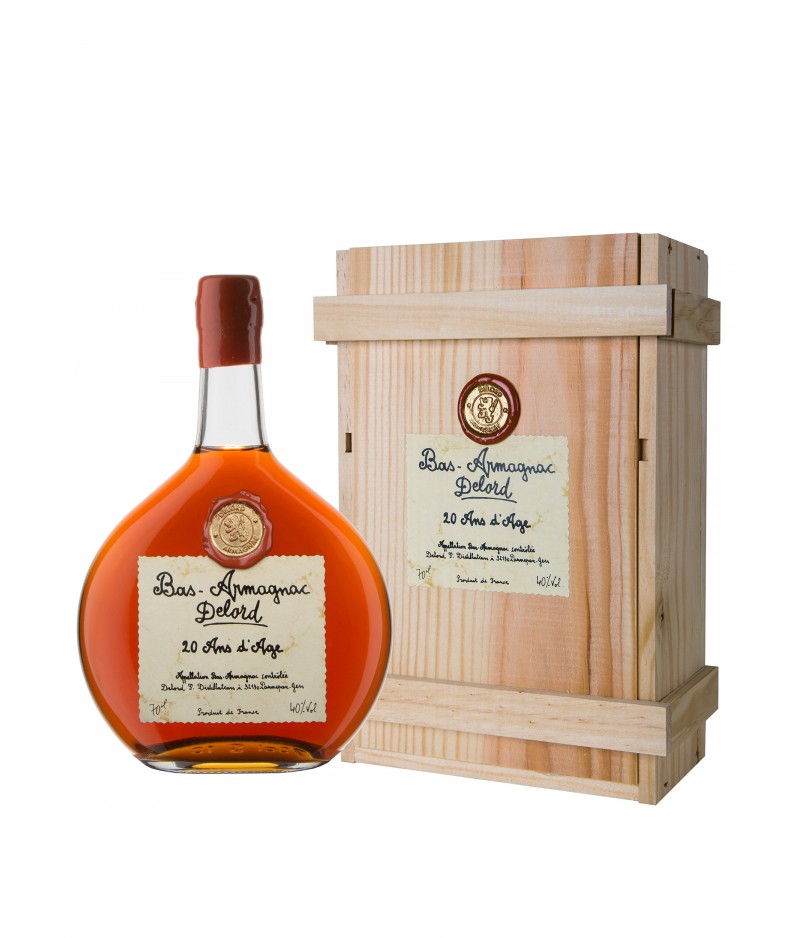
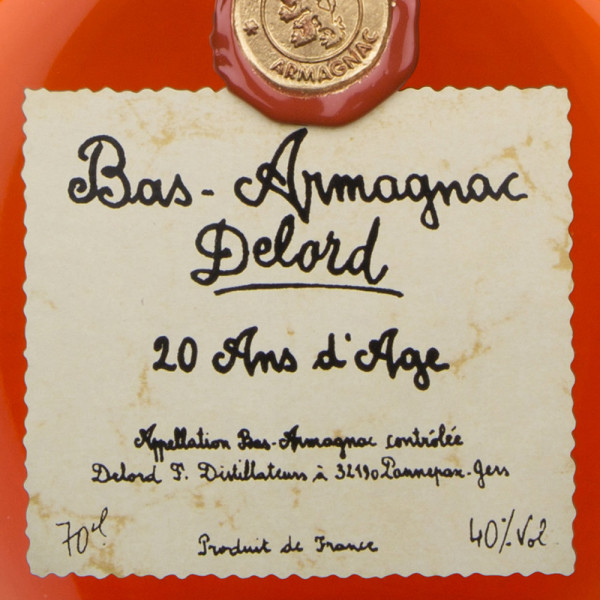
DELORD ARMAGNAC 20 YEARS D'ÂGE
An Armagnac revealing a rich, powerful nose of indulgent aromas, in contrast with a refined and generous…
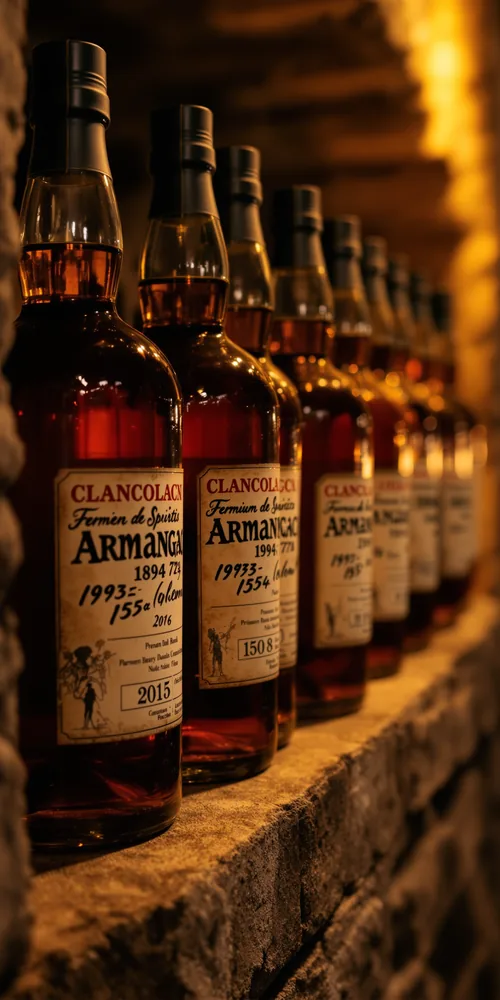
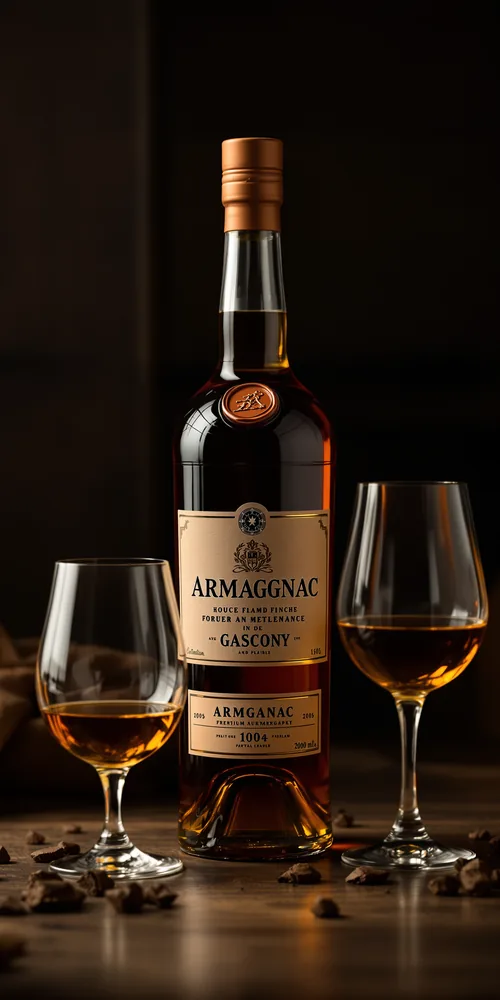
Armagnacs from 1888 to 2015 selected from the great houses of Gascony, to mark a birth, a wedding, a year that matters.
Armagnac is the oldest brandy in France, and Gascony keeps a precise memory of it: each harvest is distilled, put into cask, then left to wait. We choose our bottles directly from the houses that practise this patience: Delord, Jean Cavé, Château de Millet, Baron de Sigognac, Dartigalongue, Castarède and many others.
A vintage tells the story of a year. That is why most of our Armagnacs bear theirs on the label: that of a birth, a wedding, a retirement. Every bottle leaves wedged and protected, to arrive just as it left the cellar.
An Armagnac revealing a rich, powerful nose of indulgent aromas, in contrast with a refined and generous…
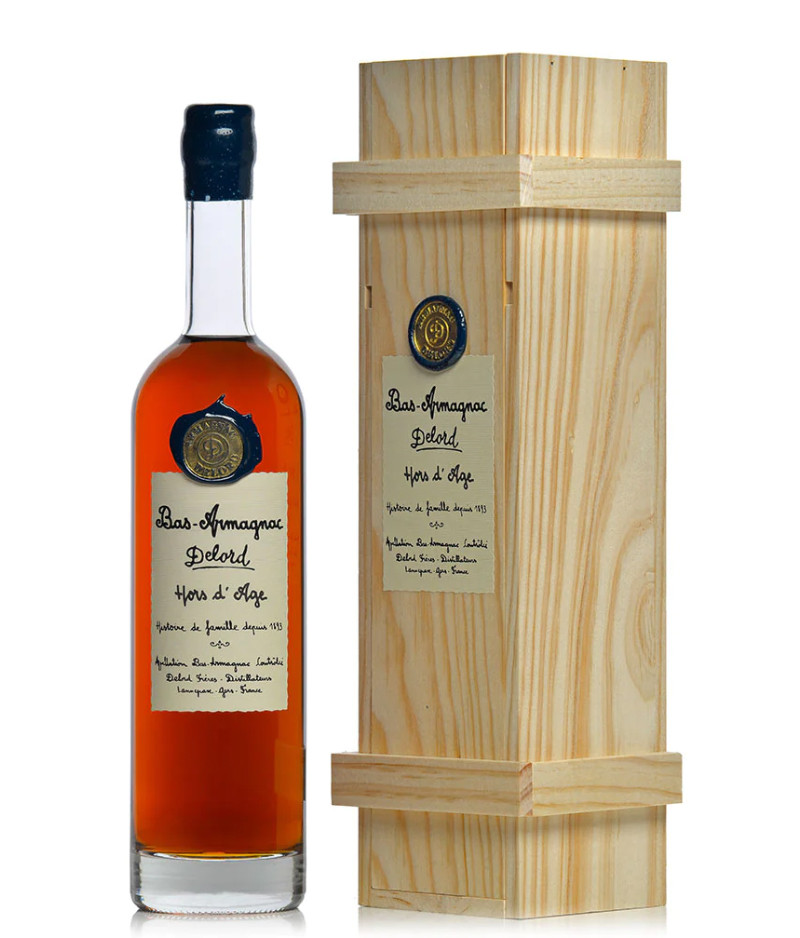
Rich and complex on the nose, this Hors d'Âge Armagnac reveals a bouquet of vanilla and plum,…
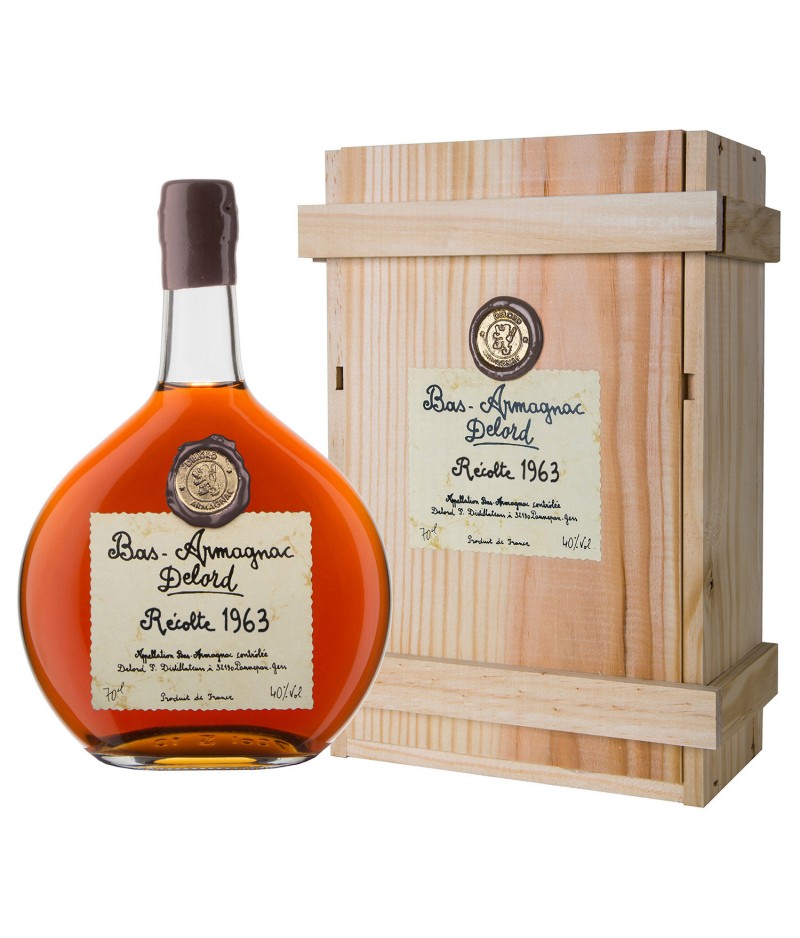
Appearance: deep amber Bas-Armagnac with old gold highlights. Bright and clear. Nose: Aromas of…
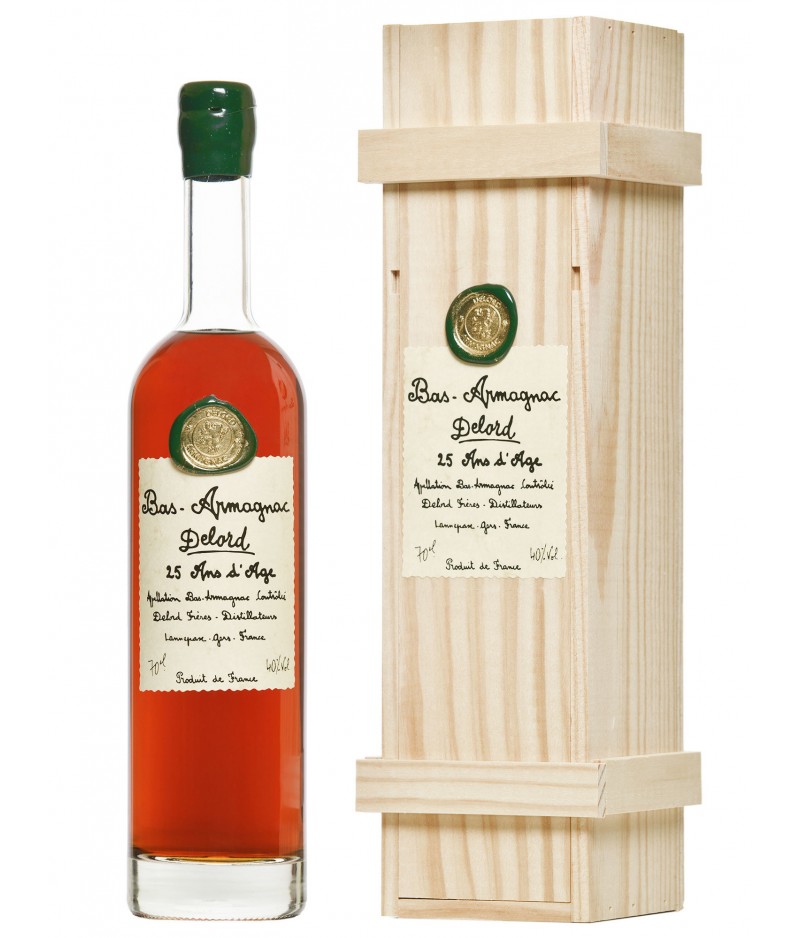
A Gold Medal Armagnac from 2017, 70cl, well-balanced with aromas of coffee, cocoa and bitter orange.…
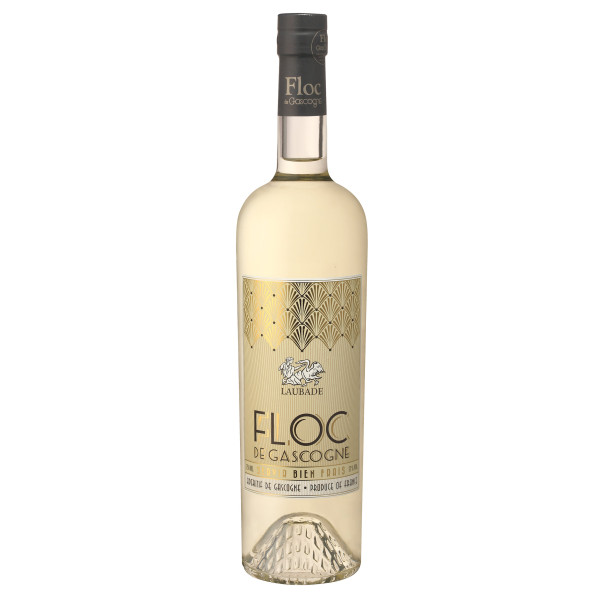
Pale straw colour with golden highlights; on the nose, quince honey and white fruits such as peach. The…
Each house has its own cellar, its own still and its own way of waiting. We represent them with no middleman.
 Jean Cavé
95 bottles
Jean Cavé
95 bottles
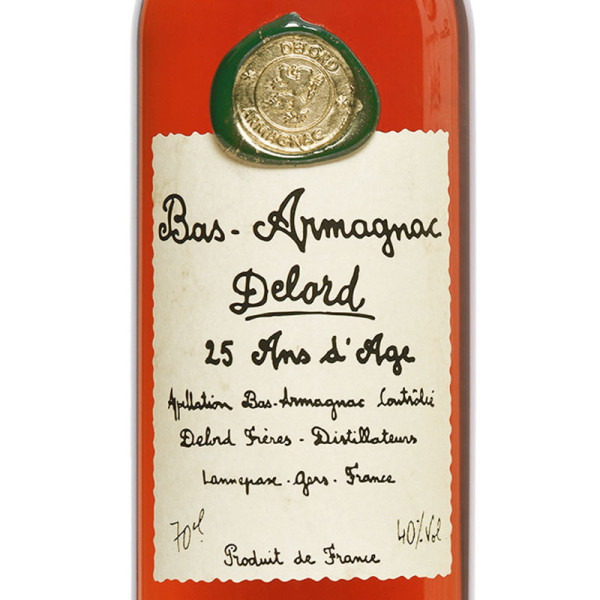
 Armagnac Delord
92 bottles
Armagnac Delord
92 bottles
 Château de Millet
79 bottles
Château de Millet
79 bottles
 Dartigalongue
75 bottles
Dartigalongue
75 bottles
 Baron de Sigognac
69 bottles
Baron de Sigognac
69 bottles
 Armagnac Castarède
59 bottles
Armagnac Castarède
59 bottles
 Clés des Ducs
48 bottles
Clés des Ducs
48 bottles
 Château de Laubade
31 bottles
Château de Laubade
31 bottles
 Château de Bordeneuve
17 bottles
Château de Bordeneuve
17 bottles
 Domaine de Pellehaut
17 bottles
Domaine de Pellehaut
17 bottles
 Charles de Granville
13 bottles
Charles de Granville
13 bottles
 Roger Groult
7 bottles
Roger Groult
7 bottles
Armagnac specialist
A cellar devoted to the brandies of Gascony.
The year on the label
Authentic vintages, from 1888 to the present day.
Careful shipping
Bottles wedged and protected, tracked delivery in France and Europe.
Need advice?
A year, a budget, an occasion: write to us.
Armagnac is a brandy made from white wine, distilled and then aged in oak casks in South West France. Its production area covers three French départements: the Gers, the Landes and the Lot-et-Garonne. It is also the oldest brandy in France. The history of armagnac goes back to 1310, when Vital du Four, prior of Eauze, praised its "forty virtues" in a medical treatise. By 1461 it was already being sold at the market in Saint-Sever. Seven centuries later, this corner of Gascony, which also gave the world d'Artagnan, remains true to its spirit.
At Plaisirs de Gascogne, we are specialist armagnac merchants, with a particular focus on vintage armagnac. Our cellar brings together some fifteen houses and estates, vintages ranging from 1888 to 2015, blends, cask strength bottlings and white armagnacs. This guide gathers what we explain to our customers every day: where armagnac comes from, how it is made, what the words on the label mean, and how to choose the bottle that suits you, or the one you are about to give.
Armagnac has been a protected designation of origin (AOC) since a decree of 1936. Its specification, overseen by the INAO, sets out the grape varieties and the rules for production, distillation and ageing. The Bureau national interprofessionnel de l'armagnac (BNIA), based in Eauze, looks after the whole industry. Within the appellation area there are three terroirs, which may appear on the label.
In the west, between the Gers and the Landes, around Eauze, Bas-Armagnac accounts for roughly two thirds of the vineyard's registered area. Its sandy silt soils, the famous "sables fauves" (tawny sands), and its boulbènes produce fine, delicate and fruity brandies, renowned for their quality. Most of the bottles in our cellar come from here: the houses of Lannepax, Nogaro and Sorbets have their cellars in this area.
In the centre, around Condom, between the north-west of the Gers and the Lot-et-Garonne, Ténarèze covers about a third of the area. Its clay-limestone slopes and boulbènes give armagnacs that are often powerful and full-bodied, and that benefit from long ageing. Domaine de Pellehaut, in Montréal-du-Gers, is a fine example.
In the east of the Gers, Haut-Armagnac is today the least planted of the three. Its limestone soils earned it the nickname "Armagnac blanc" (white Armagnac). Vines were mainly planted here in the 19th century, and armagnac production remains very limited.
The specification allows ten varieties, but four make up most of the production:
The others (plant de graisse, jurançon, clairette, mauzac, meslier saint-françois...) remain rare. Some estates distil each plot or each variety separately, which is why you will find 100% folle blanche armagnacs in our range, such as the cask strength bottlings from the house of Castarède, with their lively, floral character.
After the harvest in September and October, the grapes are made into a wine that is low in alcohol and fairly acidic, not meant for drinking. Distillation begins as soon as this wine is ready, often in November, and must be finished by 31 March of the following year at the latest. On many estates it is still a time of celebration, when the still is lit and the whole village drops by the cellar.
Around 95% of armagnac is distilled in the alambic armagnacais, a copper column still patented in 1818, which runs continuously in a single pass. This single distillation keeps a great deal of aroma in the spirit, which comes off the still at between 52 and 72% ABV, most often between 52 and 60%. A few houses also practise double distillation, in the Charente style. This is one of the major differences from cognac, which is distilled twice.
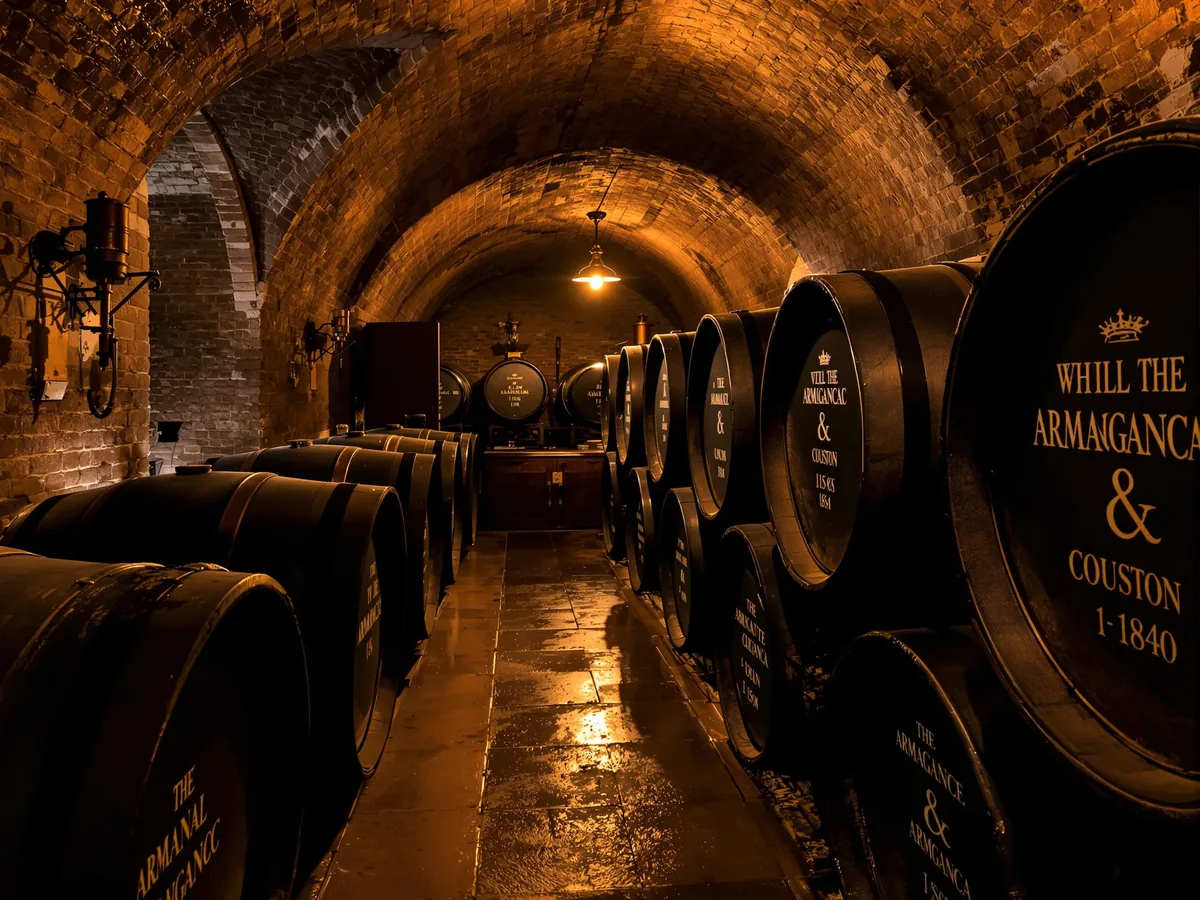
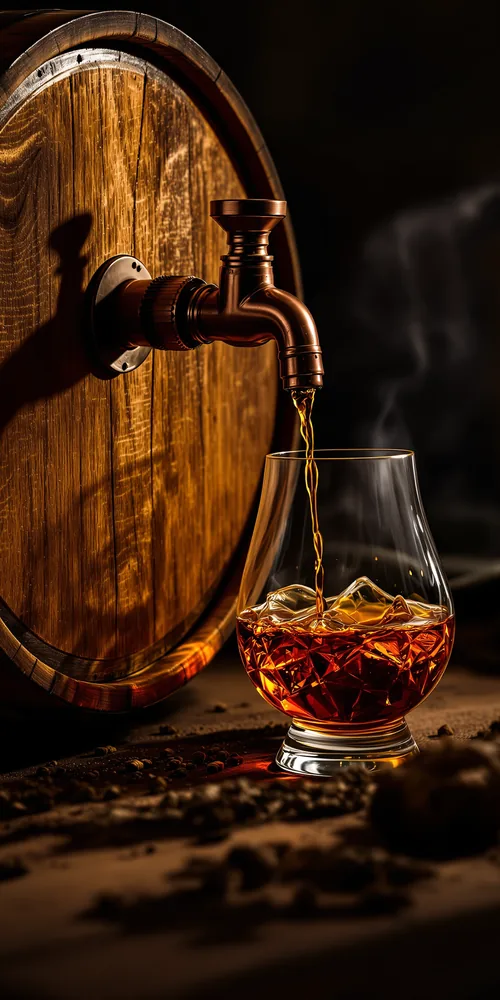
Colourless when it leaves the still, the new spirit is then filled into casks. The 400-litre oak barrels come mainly from the forests of Gascony or the Limousin. Over time, the wood gives armagnac its amber colour and its notes of vanilla, spice and prune, while part of the alcohol evaporates: this is the "angels' share", which costs around half a degree of strength a year. The cellar master tastes, changes the casks, moves them from a damp cellar to a drier one, and then decides when to bottle.
To bring the strength down to bottling level (40% ABV minimum), most houses reduce the spirit by very gradually adding "petites eaux", a mix of water and armagnac. An armagnac bottled without reduction, at its natural strength, is called brut de fût: cask strength, not reduced.
On a blended armagnac, the age statement always refers to the youngest brandy in the blend. The official categories, as set out by the BNIA:
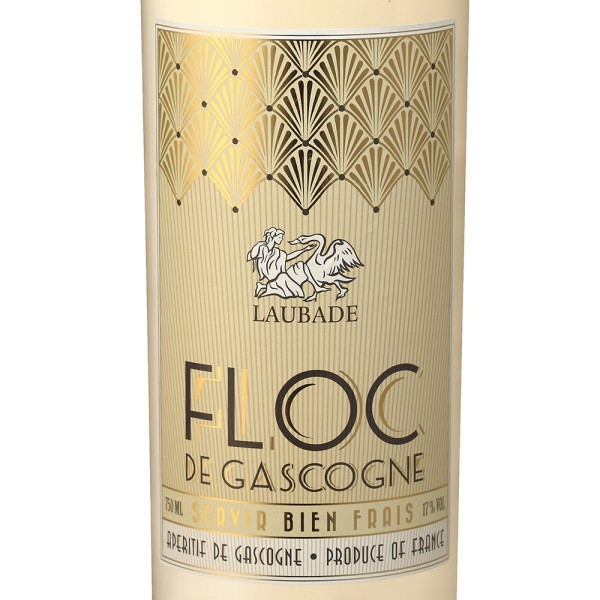
Alongside these oak-aged armagnacs, Blanche Armagnac AOC has been an appellation in its own right since 2005: a brandy that never goes into cask, kept for at least three months in a neutral container, giving a clear, fruity and fresh spirit. Finally, the Armagnac region also makes an aperitif, Floc de Gascogne, a blend of fresh grape must and young armagnac.
Armagnac is one of the few spirits where vintages are a genuine tradition. Many producers keep brandies from a single harvest in cask and bottle them over time, sometimes after several decades. Each bottle then carries the signature of its summer and autumn, followed by the style of the house that aged it: a unique character that can never be reproduced.
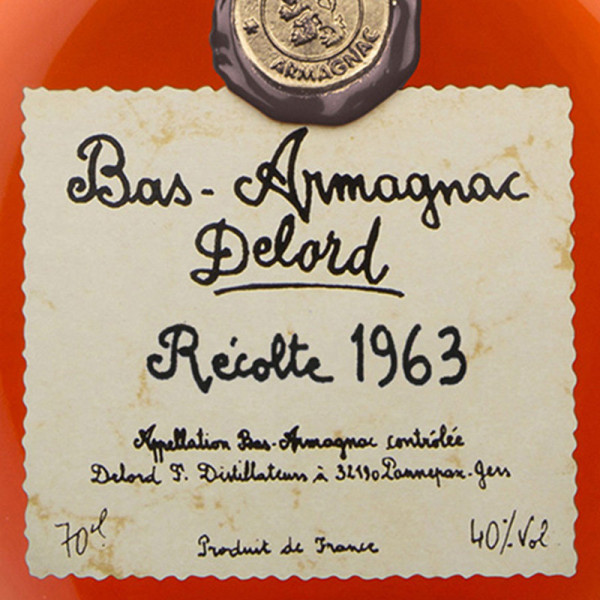
This is what makes armagnac the ideal gift for a birth, a wedding or a birthday. Among our vintage armagnacs you will find harvests from 1888 to 2015, with several houses to choose from for most decades of the 20th century: tasting the same vintage from two producers is already a memorable experience. The oldest bottles come from houses that have kept casks for a very long time, such as Jean Cavé, founded in 1883 in Lannepax, or Armagnac Delord, whose cellars hold brandies from the 1960s to the present day.
There is no such thing as the best armagnac in absolute terms: there is the one that suits the moment and the person. Our merchant's guidelines:
Terroir matters too: a Bas-Armagnac tends to be fine and fruity, a Ténarèze more structured. And every estate armagnac has its own taste, which we describe on each producer's page. To browse the full selection by age, by house or by bottle size, head to all our armagnacs.
Serve armagnac at room temperature, in a tulip glass, in a small measure. First look at its colour, from the pale gold of a young armagnac to the mahogany of a very old one. Leave it in the glass for a few minutes: the first nose, a little spirity, gives way to aromas of dried fruit, prune, vanilla, candied citrus or flowers. On the palate, take a small sip, hold it for a moment, then let the finish unfold. The next day, the empty glass still smells of armagnac: this is often how you recognise a remarkable brandy.
Armagnac pairs well with dark chocolate, a cigar, foie gras or a prune dessert. Younger armagnacs lend themselves to cooking, sauces and cocktails; old ones are best enjoyed neat, without ice.
Unlike wine, armagnac is stored upright, so that the alcohol does not damage the cork, away from light and at a stable temperature. Armagnac no longer ages once bottled: a 1970 bottled ten years ago will not improve in your cellar, but it will not deteriorate either. An opened bottle keeps for several months; when only a little is left, decant it into a smaller container to preserve its aromas.
It is a brandy made from white wine, produced in Gascony (Gers, Landes, Lot-et-Garonne), usually distilled just once in the armagnac column still and then aged in oak casks. It has held AOC status since 1936.
In South West France, between the Atlantic coast and Toulouse. The appellation area mainly covers the Gers, with part of the Landes and the Lot-et-Garonne. Eauze is its capital.
Both are wine brandies aged in oak casks, but they come from different regions. Cognac comes from the Charentes and goes through the Charentais pot still twice; armagnac is overwhelmingly distilled just once, continuously. The result is often more aromatic, with more character. Armagnac also has a genuine culture of vintages.
Blends (VS, VSOP, XO, hors d'âge, age statements), single-harvest vintages, cask strength armagnacs at their natural strength, and Blanche Armagnac, which is not aged.
The price of an armagnac depends mainly on its age, its rarity and its bottle size: a VSOP remains affordable, a very old vintage much less so. Every product page in our shop shows its price, making it easy to compare houses.
Because it is a producers' brandy, often made by families settled for generations who distil their own wine. And because it lets you give something rare: an armagnac from the exact year of a birth or a wedding, carrying a piece of Gascon heritage.
Please enjoy responsibly. Excessive alcohol consumption is harmful to health.
New houses, rare years found again, gift ideas: a few letters a year, no more.