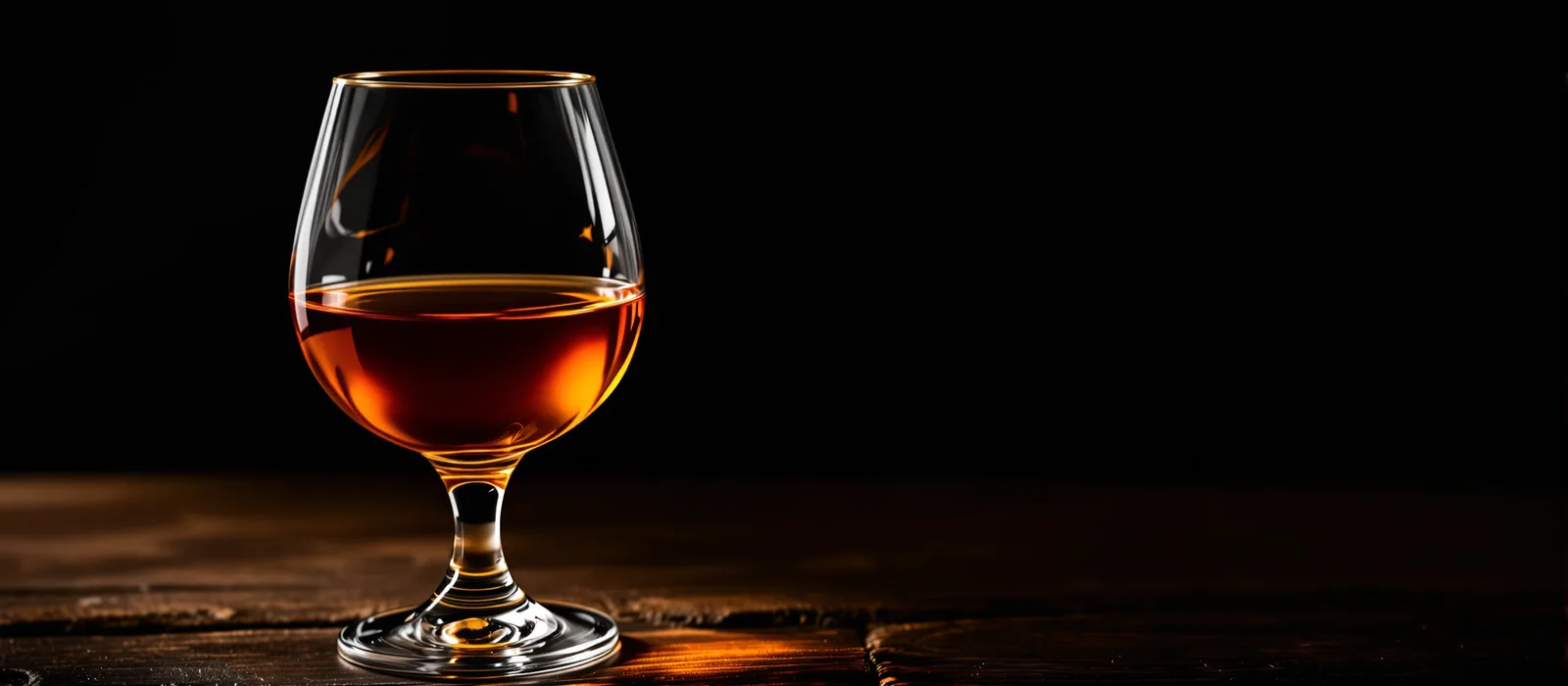
1973 armagnac, the brandy of a single harvest
A vintage armagnac bears only one date: that of the harvest. A 1973 armagnac therefore comes solely from grapes harvested in the autumn of 1973. That is the whole difference with a blend such as a VSOP, an XO or a hors d'âge, which combine brandies of different ages. A vintage tells the story of a single year, and of the way each estate distilled and then aged it.
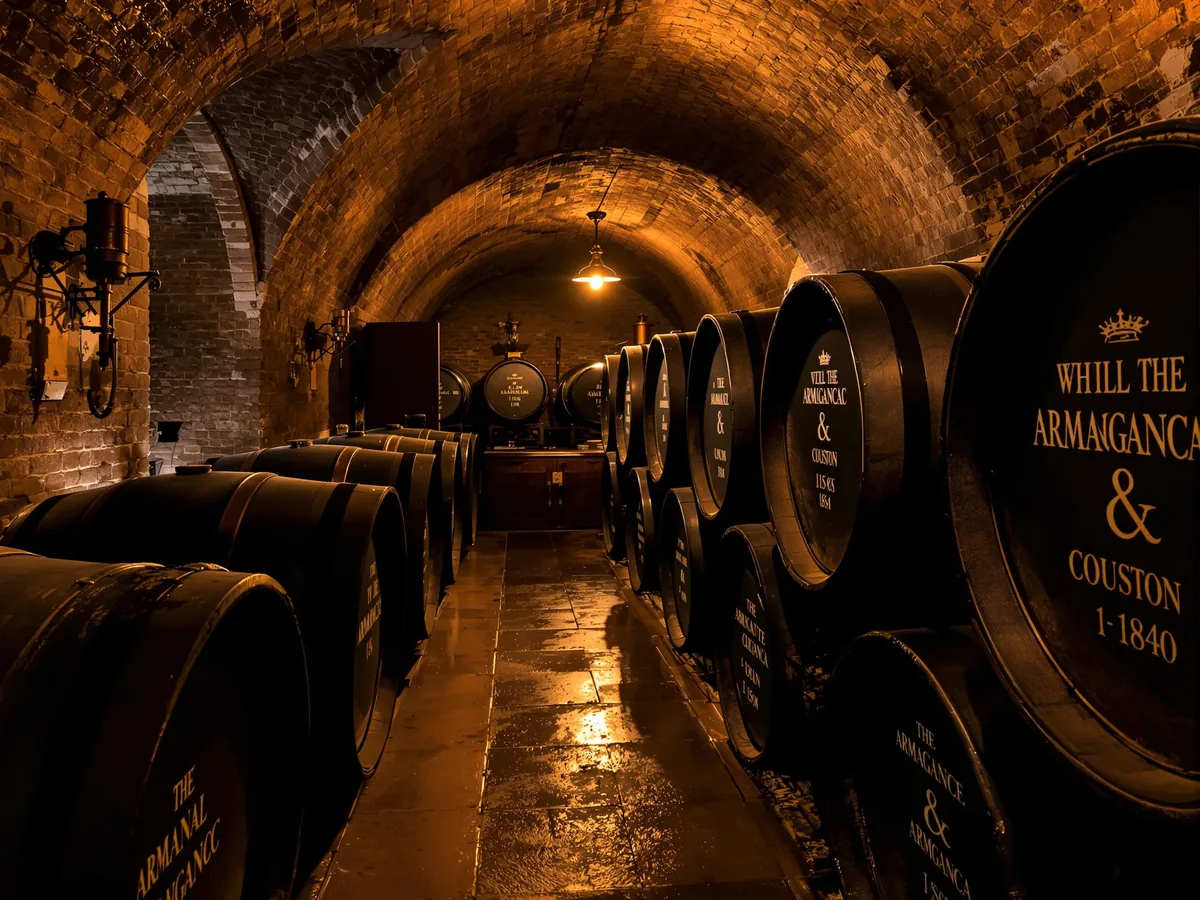
It all starts with a dry, lively white wine made from the grape varieties of the appellation: ugni blanc, baco, folle blanche and colombard. In winter, this wine goes through the armagnac still, which distils continuously following the Gascon tradition. This distillation produces a still colourless brandy, which then goes down into oak casks, in the cellar. There, over the years, it breathes through the wood, loses a little of its alcohol and gains its colour, its roundness and its aromas. Each estate in the region keeps its own savoir-faire, which makes every vintage unique.
Good to know: armagnac only ages in the cask. Once in the bottle, it no longer evolves. When the bottling date appears on the label, it tells you how long your 1973 really spent in wood.
1973, a year in history
1973 remains the year of the first oil crisis, and of the Paris Peace Accords, which ended American involvement in Vietnam. While the world was changing its face, the vines of Gascony followed their cycle: the autumn harvest was made into wine, distilled the following winter, then entrusted to the casks. It is these patiently aged brandies that you will find today in the bottles on this page.
Our 1973 bottles, house by house
The same year, but not the same estate, nor the same terroir, nor the same ageing: two 1973 armagnacs are never quite alike. Here are the houses in our selection.
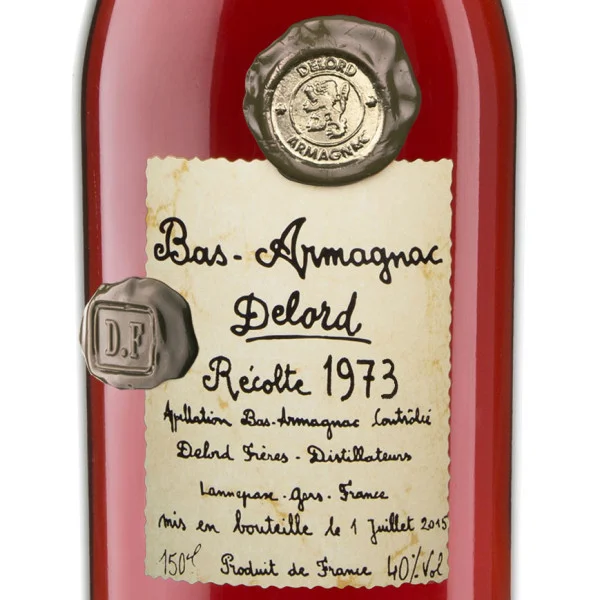
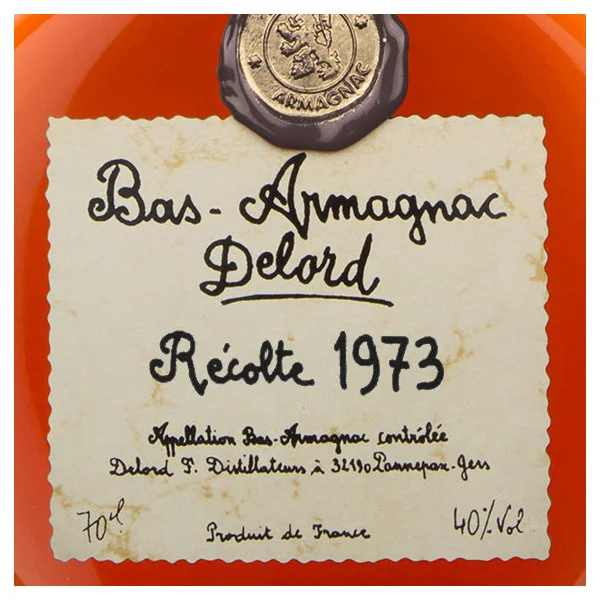
- Armagnac Delord, a family house founded in 1893 in Lannepax, in Bas-Armagnac. Its 1973, at 40% ABV, comes in a 70 cl bottle and a 150 cl magnum. The house describes a rich nose of rancio, cocoa and vanilla, and a mellow palate with complex spices (pepper, ginger, clove).
- Armagnac Castarède, a house founded in 1832. Its 1973 spent 47 years in oak casks before being bottled in 2020; it is 40% ABV and comes in a gift case.
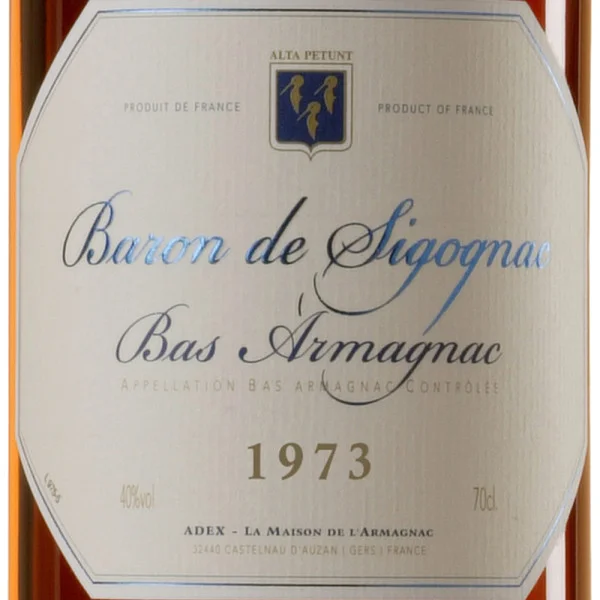
- Baron de Sigognac, made at Château de Bordeneuve by the Guasch family, who age each vintage separately. According to Château de Bordeneuve, this 1973 vintage Bas-Armagnac, at 40% ABV, offers an amber colour, a nose of candied orange, rancio and candied fruit, and a very smooth, broad palate with a mellow finish.
- Dartigalongue, a family house in Nogaro since 1838. Its 1973 is bottled at 42% ABV: a delicate nose of vanilla, clove and red fruit, a light and supple palate, and a complex finish of spices and rancio.
- Domaine de Pellehaut, in Montréal-du-Gers, in Ténarèze. Its 1973 is a brut de fût (cask strength, not reduced) at 43.7% ABV, 100% ugni blanc, aged in 400 litre casks. The colour remains golden yellow; on the nose, undergrowth, cinnamon and fresh walnut; on the palate, great softness marked by very ripe plum and quince.
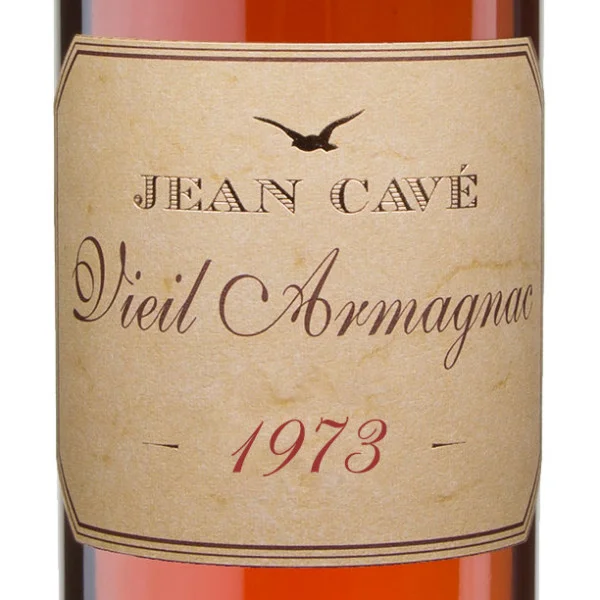
- Jean Cavé, a distiller and ageing house based in Lannepax since 1883, keeper of a fine collection of old vintages. Its 1973 is a brut de fût, bottled without reduction, at 45.5% ABV.
Natural or reduced strength: choosing your 1973 armagnac
Most vintages are gradually brought down to around 40 or 42% ABV before bottling: they are softer and more approachable. Others are bottled at their natural strength, with no added water: more concentrated and more powerful, they lend themselves to slow tasting, sometimes with a drop of water to open them up. If in doubt, a bottle at 40% ABV will please the greatest number; a higher strength will delight lovers of spirits with character. To compare more widely, browse our selection of cask strength armagnacs.
Terroir also matters, from the wine to the brandy. Bas-Armagnac, with its tawny sands, often produces fine, fruity brandies; Ténarèze, with its clay and limestone soils, more structured armagnacs. Haut-Armagnac completes the appellation, in the South West.
Tasting notes for a 1973 armagnac
After more than fifty years in cask, an armagnac of this age gains in finesse and complexity. The texture often becomes silky, with complex notes: prune, dried fruit, candied fruit, candied orange, vanilla, cocoa, sweet spices and the much sought-after rancio of old brandies. The finish is long and warming.
Serve it at room temperature, in a tulip glass, without ice. Let it breathe for a few minutes, gently warm the glass in your hand, then taste in small sips. As a digestif, on its own or with a square of dark chocolate, it needs nothing else. Once opened, the bottle keeps upright, away from light and heat, for several months.
Giving a 1973 armagnac: birthday, birth, wedding
In 2026, people born in 1973 celebrate their 53rd birthday, and couples married in 1973 their 53rd wedding anniversary. An armagnac from their year was harvested, distilled and put into cask just as their story was beginning: a rare birthday gift and an exceptional experience, to open on the day of the celebration or to keep for another great moment. The magnum is for sharing around a large table; the 70 cl bottle, sometimes in a gift case depending on the house, remains the most popular choice.
Frequently asked questions about 1973 armagnac
How much does a 1973 armagnac cost?
It depends on the estate, the size (70 cl or magnum), the strength and the age at bottling. Each product page on this page shows the producer, the bottle size and the price.
Where can I buy a 1973 vintage armagnac?
At Plaisirs de Gascogne, an online shop specialising in vintage armagnac: the bottles come directly from the Gascon houses, secure payment protects your order and delivery is handled with care, in France and across Europe. Our customer service will answer your questions to help you choose between several gifts.
Which producers offer a 1973 armagnac?
Our selection brings together Armagnac Delord, Castarède, Baron de Sigognac, Dartigalongue, Domaine de Pellehaut and Jean Cavé: four vintages at 40 or 42% ABV and two brut de fût bottlings. Each house has its own collection of old vintages, to be discovered product page by product page.
Does a 1973 armagnac keep ageing in the bottle?
No. Ageing stops when it leaves the cask. Properly stored, upright and somewhere cool, an unopened bottle keeps its qualities for a very long time.
Also discover all our vintage armagnacs, year by year.
Please enjoy responsibly. Excessive alcohol consumption is harmful to health.



 Jean Cavé
95 bottles
Jean Cavé
95 bottles
 Armagnac Delord
92 bottles
Armagnac Delord
92 bottles
 Château de Millet
79 bottles
Château de Millet
79 bottles
 Dartigalongue
75 bottles
Dartigalongue
75 bottles
 Baron de Sigognac
69 bottles
Baron de Sigognac
69 bottles
 Armagnac Castarède
59 bottles
Armagnac Castarède
59 bottles
 Clés des Ducs
48 bottles
Clés des Ducs
48 bottles
 Château de Laubade
31 bottles
Château de Laubade
31 bottles
 Domaine de Pellehaut
17 bottles
Domaine de Pellehaut
17 bottles
 Château de Bordeneuve
17 bottles
Château de Bordeneuve
17 bottles
 Charles de Granville
13 bottles
Charles de Granville
13 bottles
 Domaine de Danis
7 bottles
Domaine de Danis
7 bottles