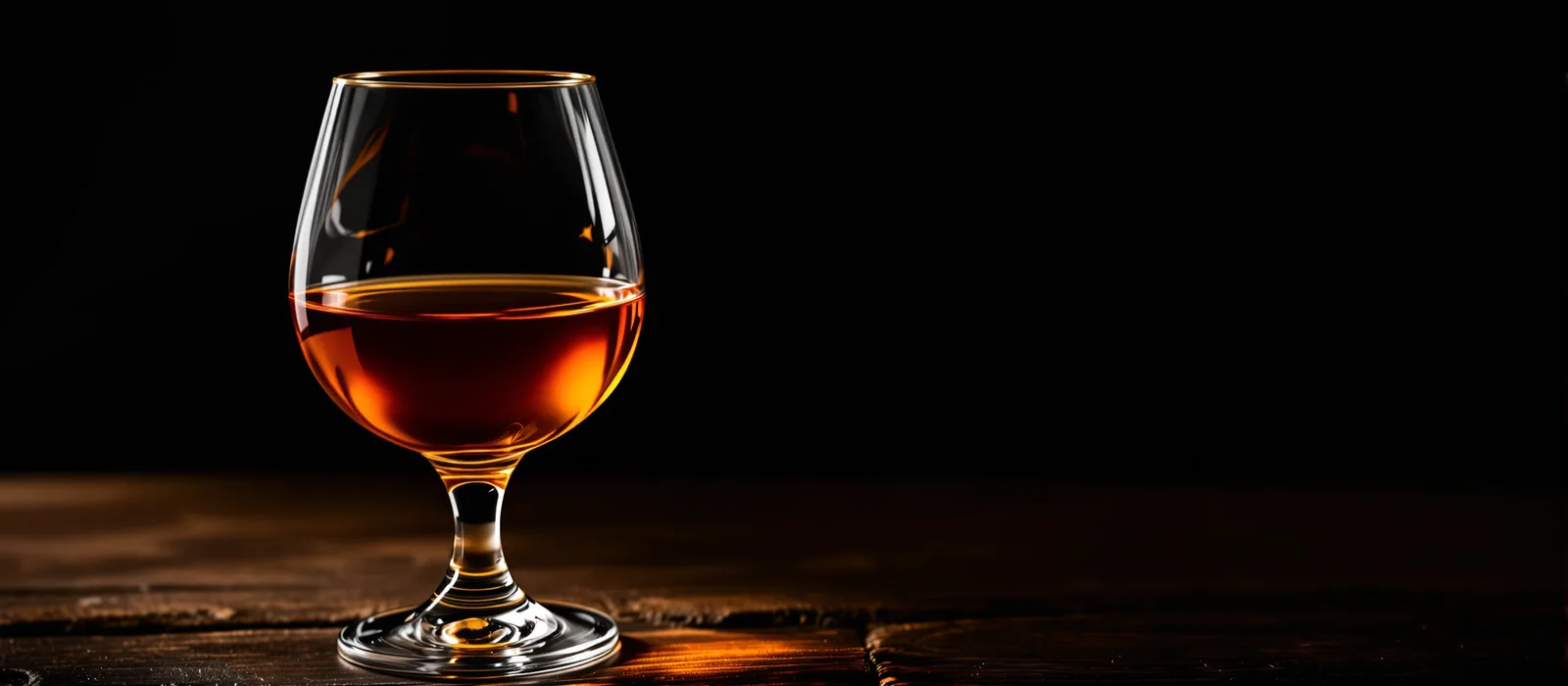
What is Floc de Gascogne?
Floc de Gascogne is not a brandy but a mistelle, a liqueur wine from the same family as Pineau des Charentes or Pommeau de Normandie. It comes from a peasant tradition handed down since the 16th century and long reserved for family consumption: the traditional recipe combines two thirds of grape must with one third of Armagnac. Its name, which appeared in the 1950s, comes from flòc, meaning "bouquet of flowers" in Gascon. Floc is between 16 and 18% ABV; those in our selection are 17% ABV, in 75 cl bottles.
The decree of 27 November 1990 recognised it as AOC Floc de Gascogne, with two denominations: Floc de Gascogne blanc and Floc de Gascogne rosé. Its production area is that of Armagnac (Bas-Armagnac, Ténarèze and Haut-Armagnac), across the Gers, the Landes and Lot-et-Garonne, between the Adour and the Garonne. This terroir has about 780 hectares of vines, 80% of them in the Gers, at the heart of the region.
How is Floc de Gascogne made?
It is made over two harvests, and the producer controls every stage on the estate:
- The Armagnac: white grape varieties are harvested, vinified, then distilled shortly after the harvest. The spirit is kept in stainless steel vats so that it does not age;
- The must: during a second round of harvesting, the white grapes are pressed; the black grapes are bled and macerated to give the rosé its colour;
- The mutage: the must fills two thirds of the vat, then the Armagnac is added before any fermentation. The alcohol stops fermentation, and the natural sugar of the grape stays in the wine: this is what gives floc its sweet taste;
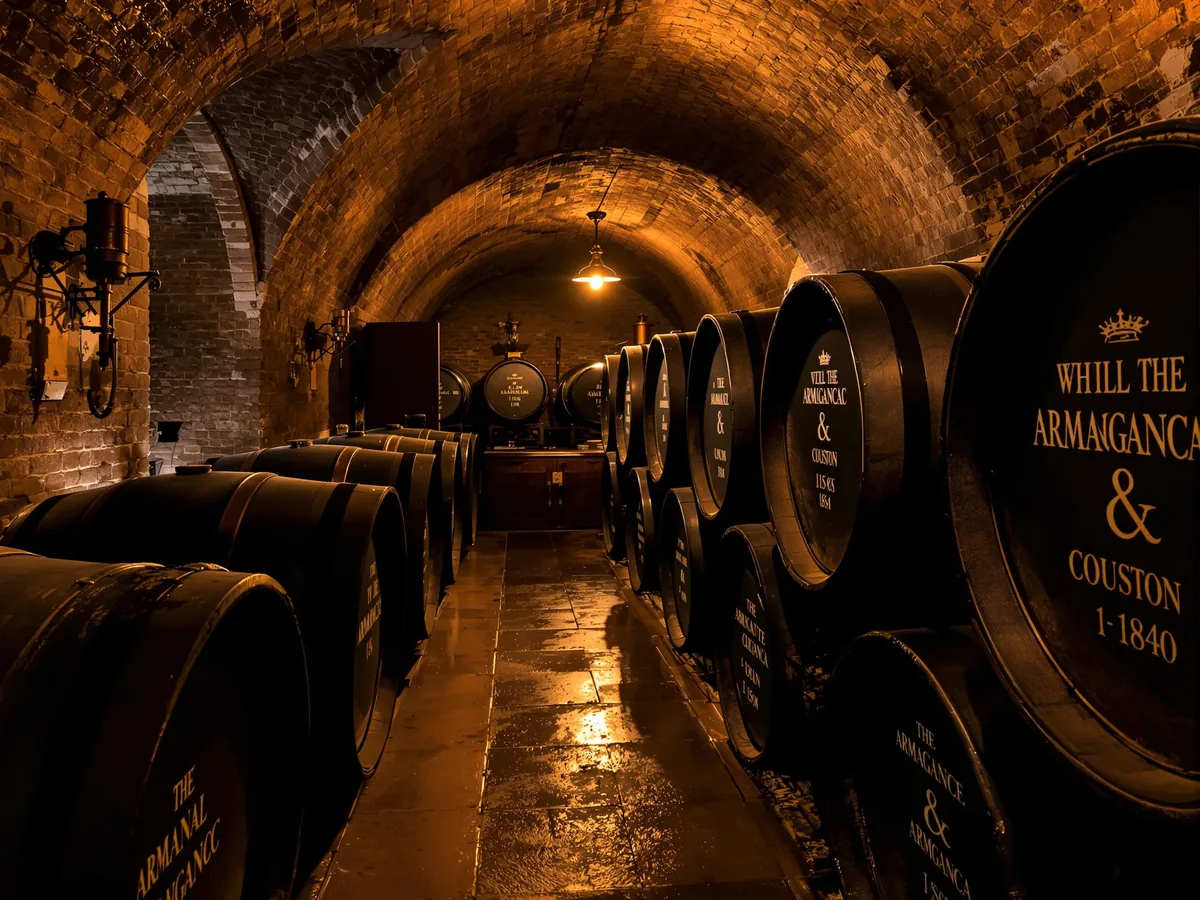
- The rest: the floc rests until the end of winter, then spends at least ten months in the cellar before bottling and approval.
White or red Floc de Gascogne: grape varieties and aromas
The recipe is the same, but the choice of grape changes everything. According to the Floc de Gascogne interprofessional committee, white floc comes mainly from Ugni Blanc, Colombard and Gros Manseng. Round with a hint of acidity, it offers citrus notes, floral aromas such as violet, and notes of honey and white fruit. Red Floc de Gascogne, officially rosé, is made from Cabernet Franc, Cabernet Sauvignon, Merlot and Tannat. Its colour ranges from light red to deep red depending on the length of maceration. It shows aromas of red fruit, cherry and raspberry, then blackberry and blackcurrant.
Our Floc de Gascogne houses
Delord, in Lannepax
A family house in Bas-Armagnac founded in 1893, Armagnac Delord makes a white Floc de Gascogne, with notes of dried fruit and a round palate, and a rosé Floc de Gascogne. Both are served well chilled, as an aperitif or in a cocktail.
Château de Laubade, in Sorbets
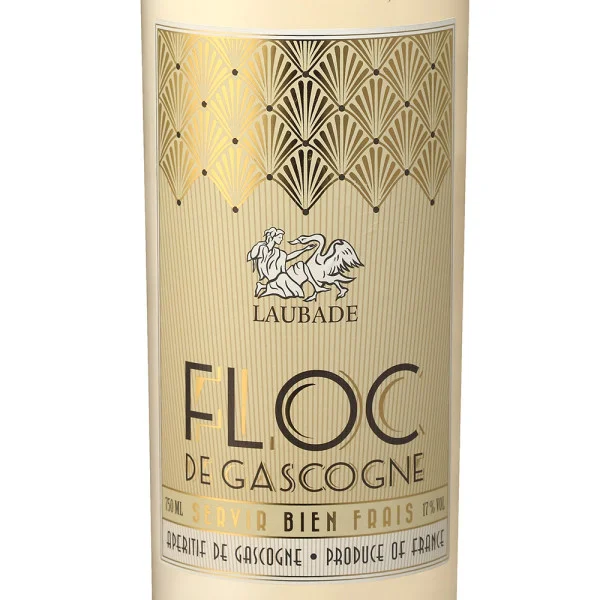
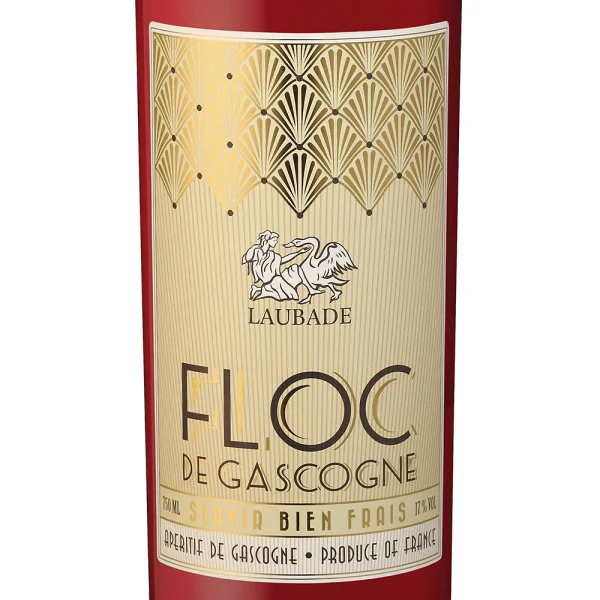
At Château de Laubade, the floc blends grape juice with the estate's own Armagnac. The white, straw yellow with golden highlights, combines quince and peach on the nose, with a lively palate. The rosé goes well with melon, fruit salad or a chocolate pastry.
Tasting: our advice
- At the right temperature: Floc de Gascogne is enjoyed between 6 and 8 °C. Keep it in the fridge; an ice cube is fine, as long as you do not let it melt;
- While young: it is best drunk in the first years after bottling, when its fruity, aromatic profile is at its most intense;
- In a short glass with a wide opening, which lets the wine breathe: the visual examination, then the nose, already reveal its richness.
Food pairings and recipe ideas
It is the Gascon aperitif par excellence, but it also has its place in the region's cuisine: served in half a melon as a starter, with foie gras on toast, with a blue cheese for the white, alongside a chocolate dessert for the rosé. In the kitchen, it deglazes pan-fried peaches or flavours a strawberry salad. In cocktails, red floc is topped up with tonic and a few ice cubes, while white floc pairs with a citrus soda or a dash of champagne, for extra freshness.
Frequently asked questions about Floc de Gascogne
What is the difference between Floc de Gascogne and Armagnac?
Armagnac is a brandy, distilled then aged in oak casks, often for many years. Floc is a liqueur wine, sweet and much lower in alcohol, to be drunk chilled. To discover the brandy itself, browse our selection of Armagnacs.
How long does an opened bottle keep?
Stoppered and in the fridge, up to about three months, but floc is at its best in the weeks after opening.
Where to buy Floc de Gascogne?
Right here, online: each product page shows the estate, the colour, the strength and the bottle size. For a gourmet hamper from Gascony, pair it with our prunes in Armagnac, and for an unaged spirit to serve ice cold, discover Blanche d'Armagnac.
Please enjoy responsibly. Excessive alcohol consumption is harmful to health.




 Jean Cavé
95 bottles
Jean Cavé
95 bottles
 Armagnac Delord
92 bottles
Armagnac Delord
92 bottles
 Château de Millet
79 bottles
Château de Millet
79 bottles
 Dartigalongue
75 bottles
Dartigalongue
75 bottles
 Baron de Sigognac
69 bottles
Baron de Sigognac
69 bottles
 Armagnac Castarède
59 bottles
Armagnac Castarède
59 bottles
 Clés des Ducs
48 bottles
Clés des Ducs
48 bottles
 Château de Laubade
31 bottles
Château de Laubade
31 bottles
 Domaine de Pellehaut
17 bottles
Domaine de Pellehaut
17 bottles
 Château de Bordeneuve
17 bottles
Château de Bordeneuve
17 bottles
 Charles de Granville
13 bottles
Charles de Granville
13 bottles
 Roger Groult
7 bottles
Roger Groult
7 bottles