Choosing an old armagnac: our merchant's advice
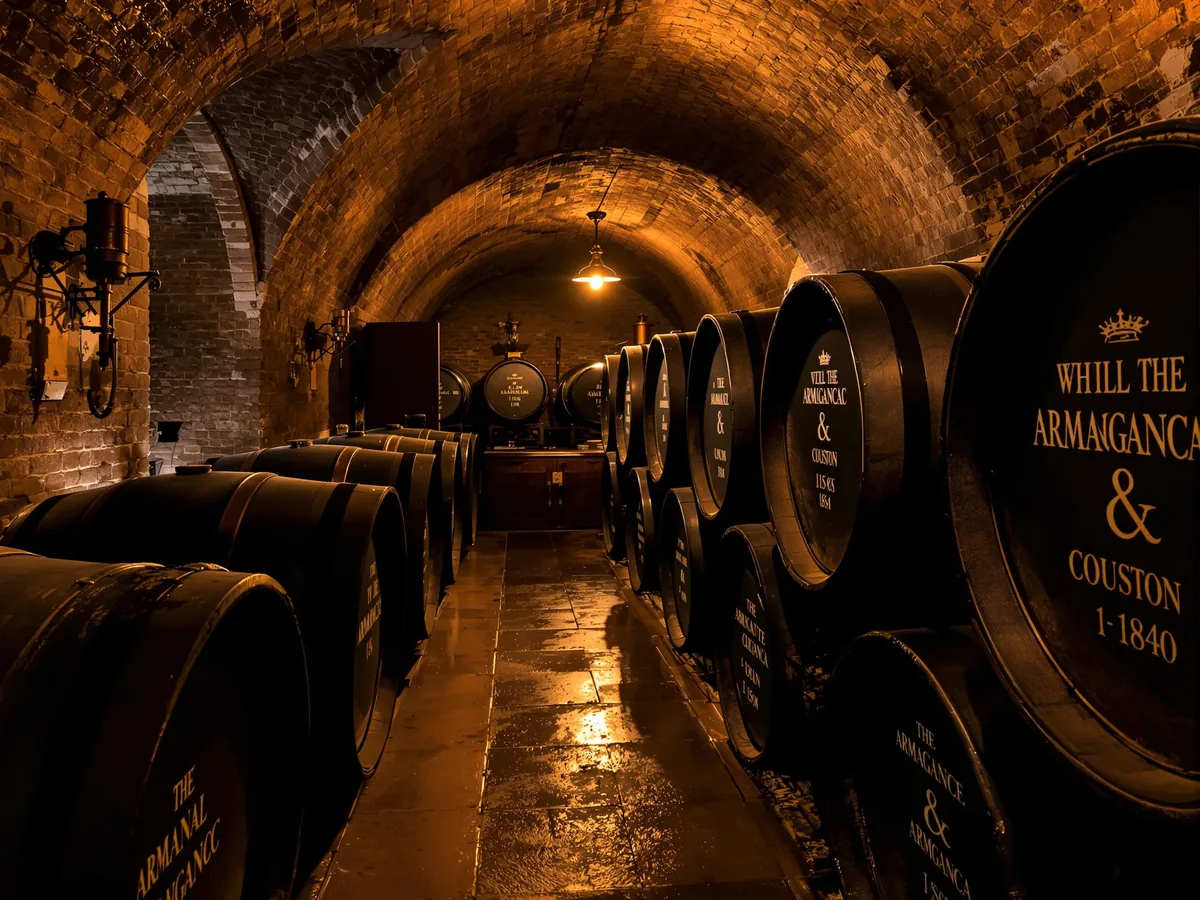
An old Bas-Armagnac is above all a matter of time: years, sometimes decades, of ageing in oak casks in a cellar in the Gers or the Landes. The wood gives these brandies their mahogany colour, a rich texture and complex aromas. Our shop offers nearly six hundred bottles, the vast majority of them Bas-Armagnacs, from some fifteen houses, châteaux and estates in South West France. To understand where this wine brandy comes from, our guide to armagnac covers the appellation, the terroirs and distillation. Here, the focus is on choosing.
By age: what the label tells you
On a blend, the stated age is that of the youngest brandy in the blend. A VSOP armagnac has spent at least 4 years in cask: a fine introduction, still lively. Armagnacs for laying down begin with XO and hors d'âge armagnac, at least 10 years old. Then come the more precise 12, 18, 20, 21, 25 or 30 year old armagnacs. The longer the ageing, the more the nose moves towards prune, candied citrus, cocoa, leather and the rancio character that connoisseurs look for.
By house: every cellar has its own style
- Dartigalongue, in Nogaro since 1838: the Héritage 20 year old and the Prestige 30 year old, in 70 cl, magnum and pot gascon;
- Armagnac Delord, in Lannepax: hors d'âge, 20 and 25 year olds, round and generous;
- Clés des Ducs: a clear range of 8, 12, 18 and 21 year olds to compare the effect of time;
- Château de Laubade, in Sorbets: the 12 year old Intemporel, round and harmonious;
- Baron de Sigognac: 25 and 50 year old decanters, beautiful bottles to give;
- Castarède: a hors d'âge, a Cuvée Cigare 25 year old and 100% folle blanche cuvées.
The grape variety also makes a difference: ugni blanc brings finesse, baco blanc roundness and ripe fruit, folle blanche floral notes, colombard a spicy touch. A Bas-Armagnac is often finer and more elegant; a Ténarèze armagnac more structured and oaky.
By budget and occasion
The price of an old bottle mainly reflects its age, quality and rarity. For a treat without aiming at the very top of the range, an XO or a 12 year old already offers real complexity. For a milestone birthday, a 20 or 30 year old, or a gift box, makes a gift that lasts. For a large gathering, the magnum and the 250 cl pot gascon make a fine centrepiece. And if a particular year is what matters, head to our vintage armagnacs: every bottle there comes from a single harvest.
For those who like intensity
A cask strength armagnac (brut de fût) is bottled without reduction, at its natural strength, which varies from one cask to another: younger ones often exceed 45% ABV, while very old ones fall naturally towards 40%. More intense on the palate, it shows armagnac just as it comes out of the cellar. The house of Jean Cavé offers some very old harvests, going back to the late 19th century.
Tasting an old Gascon brandy
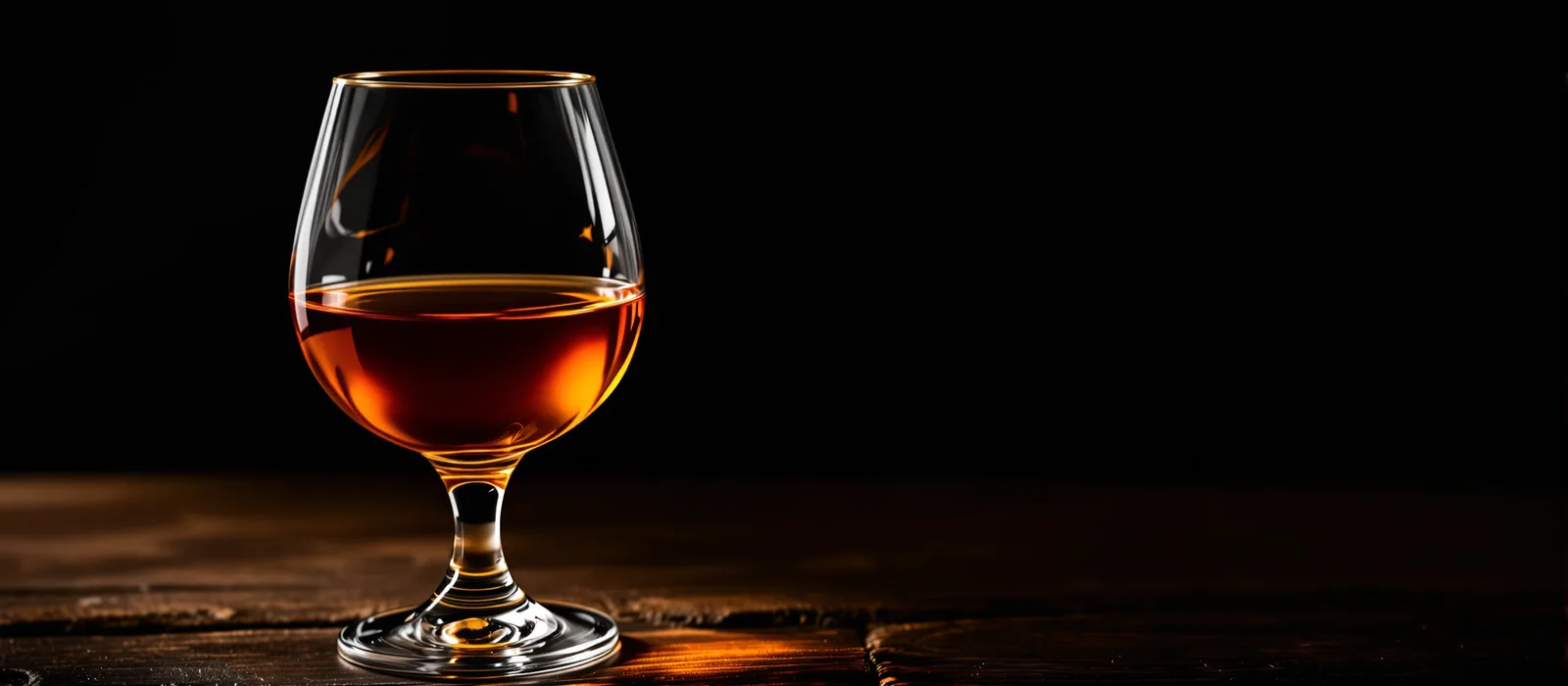
Serve it at room temperature, in a tulip glass, and let it breathe for a few minutes: a very old armagnac needs air to reveal its notes of walnut, tobacco and sweet spices. Take small sips, hold them in your mouth for a moment, then let the finish linger. An opened bottle keeps for several months, stored upright and away from light.
Frequently asked questions
When does an armagnac count as old?
There is no official definition. In our view, you enter old armagnac territory with XO and hors d'âge, meaning at least 10 years in cask for the youngest brandy in the blend.
How much does an old Bas-Armagnac cost?
The price depends on the age, the house and the bottle size. Every product on this page shows its price: you can sort the selection and compare bottles.
Where can I buy an armagnac for laying down?
Online, right here on this page: add your bottle to the basket, payment is secure and the packaging is designed for shipping bottles. Torn between two bottles? Our customer service team will be happy to advise you.
Please enjoy responsibly. Excessive alcohol consumption is harmful to health.








 Jean Cavé
95 bottles
Jean Cavé
95 bottles
 Armagnac Delord
92 bottles
Armagnac Delord
92 bottles
 Château de Millet
79 bottles
Château de Millet
79 bottles
 Dartigalongue
75 bottles
Dartigalongue
75 bottles
 Baron de Sigognac
69 bottles
Baron de Sigognac
69 bottles
 Armagnac Castarède
59 bottles
Armagnac Castarède
59 bottles
 Clés des ducs
48 bottles
Clés des ducs
48 bottles
 Château de Laubade
31 bottles
Château de Laubade
31 bottles
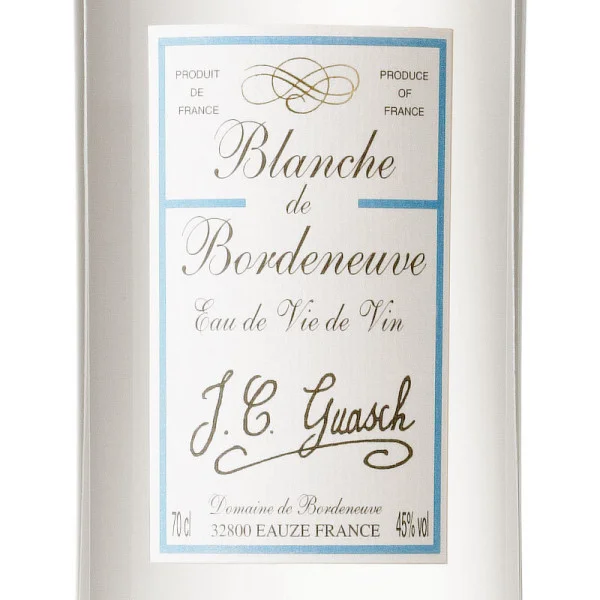
 Château de Bordeneuve
17 bottles
Château de Bordeneuve
17 bottles
 Domaine de Pellehaut
17 bottles
Domaine de Pellehaut
17 bottles
 Charles de Granville
13 bottles
Charles de Granville
13 bottles
 Roger Groult
7 bottles
Roger Groult
7 bottles