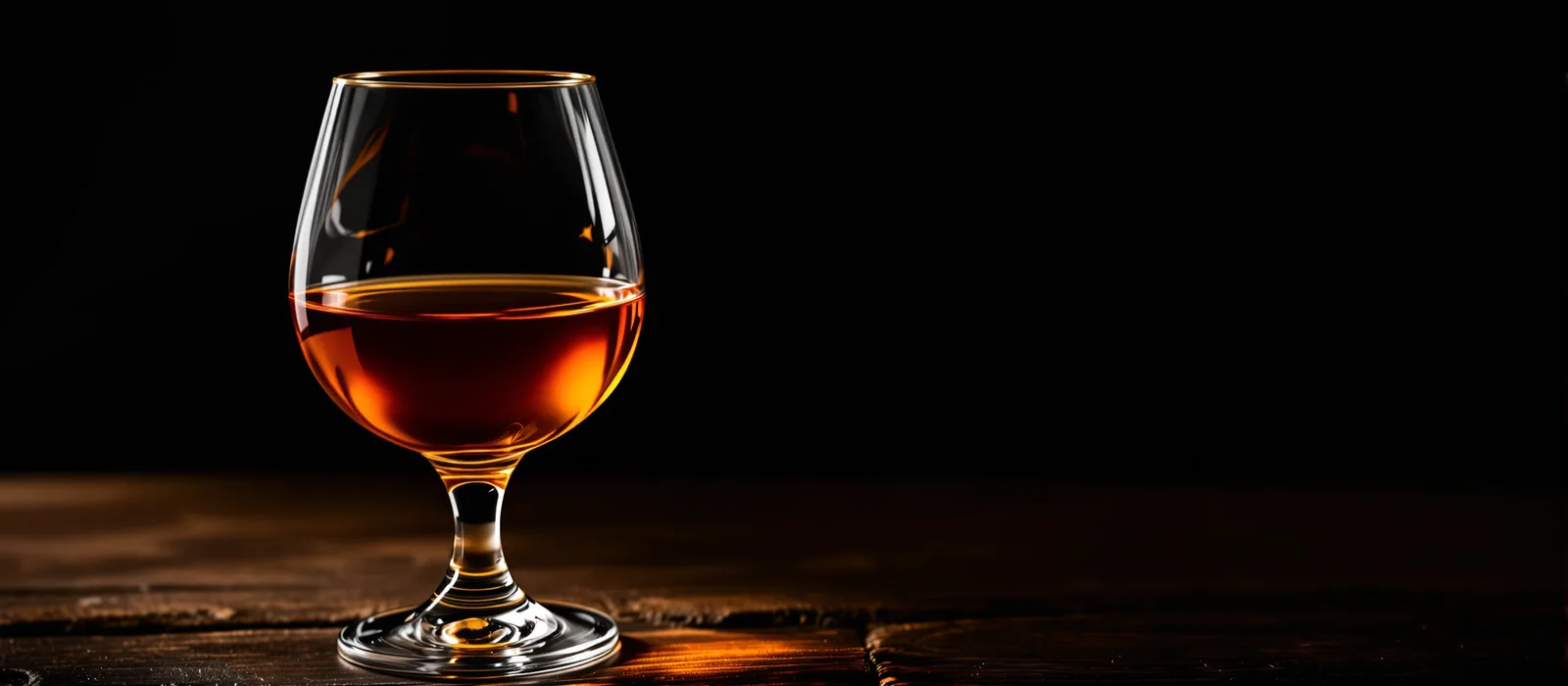
A 30th birthday or pearl anniversary: a rare birth year gift
In 2026, those born in 1996 celebrate their 30th birthday and couples married in 1996 their pearl wedding anniversary. Finding a gift that carries exactly that date is not so easy: most 1996 wine has long been drunk, and objects from that year are rare. A 1996 armagnac, on the other hand, was distilled from the 1996 harvest and can be given today in its original bottle. Open it on the night of the celebration or put it aside for later, since a well-stored bottle no longer changes.
The houses in our 1996 selection
Every house and every Gascon family on this page has its own terroir and its own know-how:
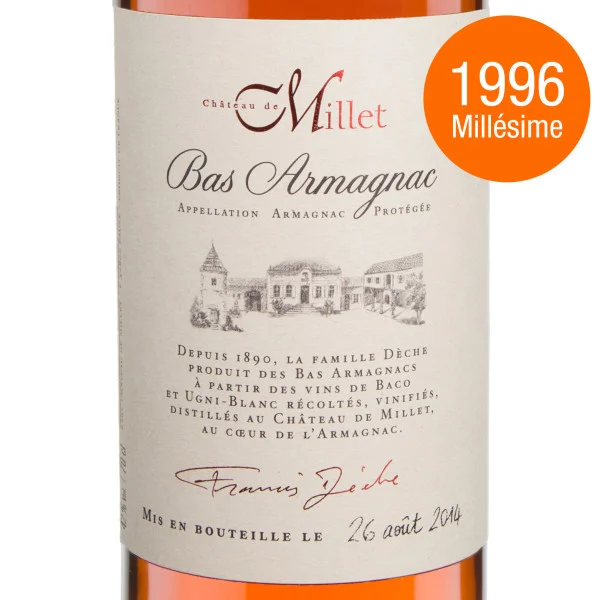
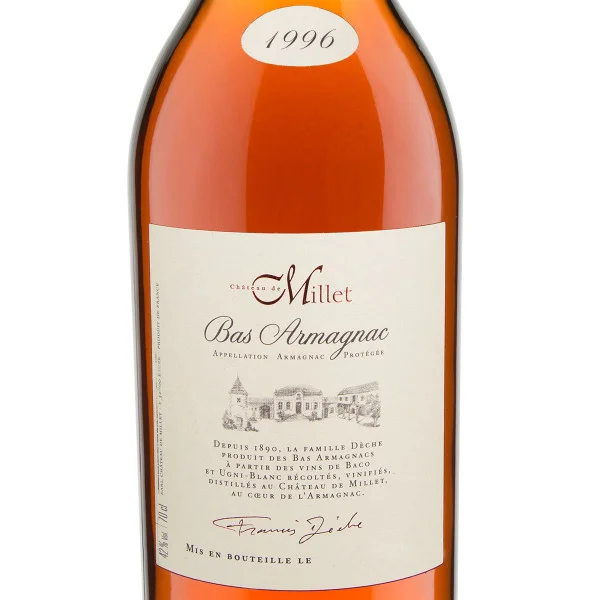
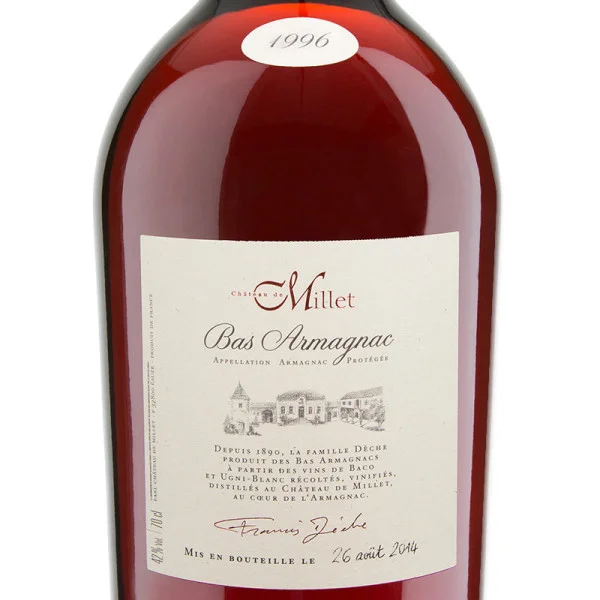
- Château de Millet, in Eauze: its 1996 comes in 70 cl, magnum and a 250 cl Gascon pot;
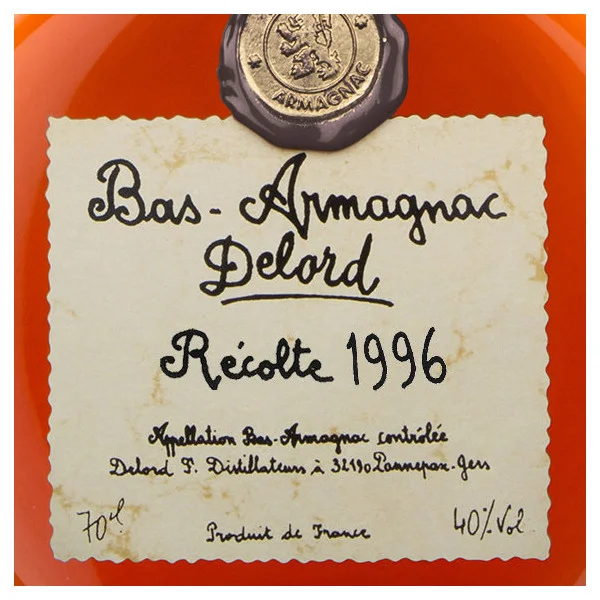
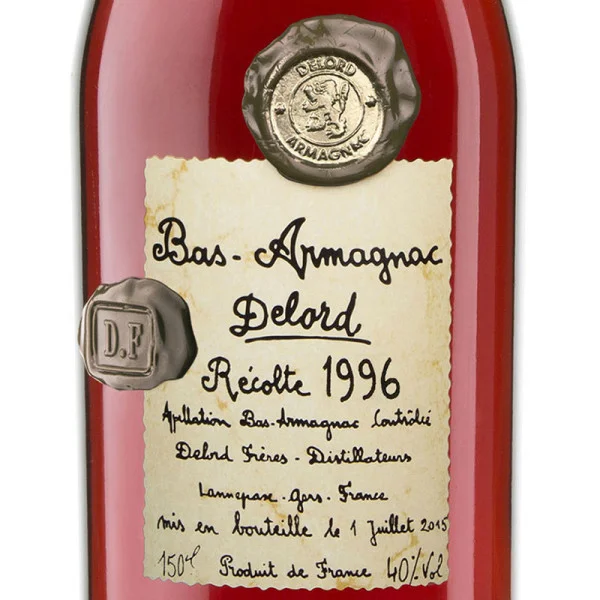
- Armagnac Delord, a Lannepax house founded in 1893, in 70 cl and magnum;
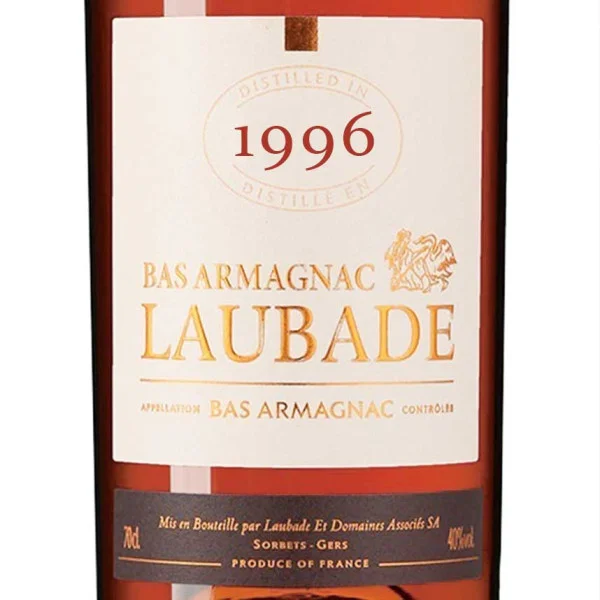
- Château de Laubade, an estate in the Bas-Armagnac;
- Domaine de Pellehaut, an estate in the Ténarèze;
- Dartigalongue, in Nogaro since 1838;
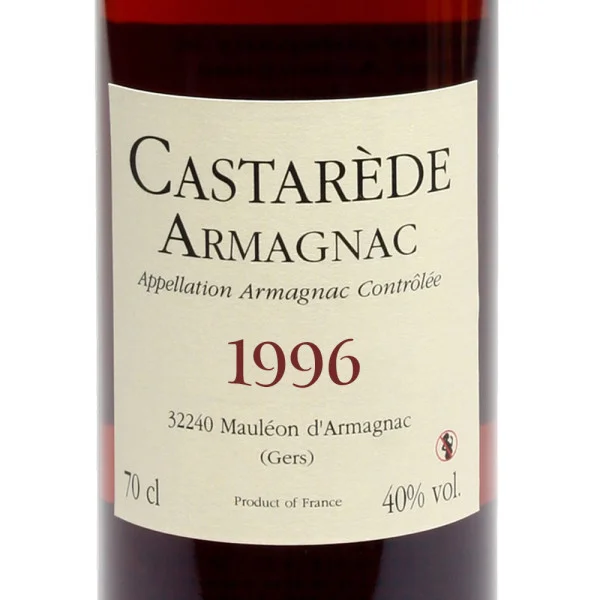
- Armagnac Castarède, a house founded in 1832;
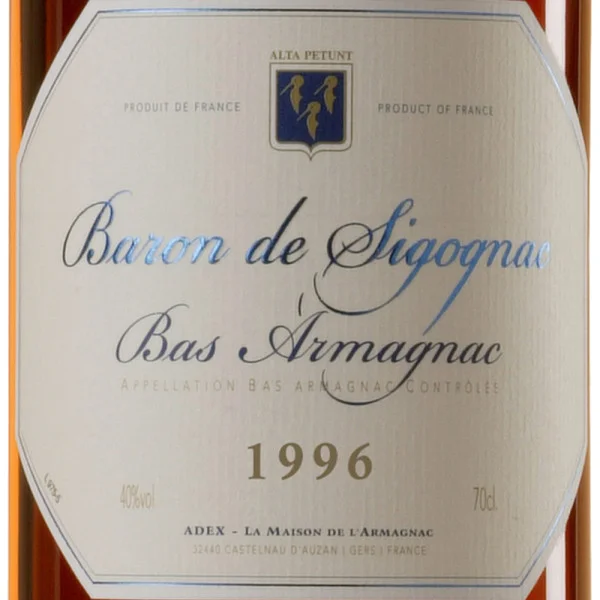
- Baron de Sigognac and Clés des Ducs, two well-known names in long-aged armagnac;
- Jean Cavé, whose 1996 is offered brut de fût, that is at cask strength, with no reduction of the alcohol level.
From vine to still: how a 1996 armagnac is made
It all starts with a white wine made from grapes harvested in the autumn of 1996: ugni blanc, baco blanc, folle blanche or colombard, depending on the estate's vineyard. The winemaking is kept simple, traditionally without sulphur, as this wine is intended only for distillation. During the winter it goes through the armagnac still. The resulting spirits are then filled into oak casks, where they age for sometimes nearly thirty years, depending on the bottling date chosen by the house.
This is the rule that makes a dated armagnac so interesting: everything comes solely from the 1996 harvest, with no blending with younger or older brandies. Terroir, grapes and cellar work then explain the differences in flavour from one house to another.
The terroir: Bas-Armagnac and Ténarèze
The armagnac appellation covers the Gers and parts of the Landes and Lot-et-Garonne, in three areas. The Bas-Armagnac, with its tawny sands, gives fine, fruity brandies: this is the terroir of most of the 1996 bottlings shown here. The Ténarèze, with its clay-limestone soils, produces more structured armagnacs, such as Pellehaut. The Haut-Armagnac remains the most discreet. This link between terroir and style, unique to this region of south-west France, explains why two armagnacs of the same age can show such different expressions.
Character: colour, nose and palate
At thirty years old, an armagnac often keeps a certain liveliness. Its colour is amber with golden glints, lighter than that of very old armagnacs. On the nose and palate, tasting notes frequently mention prune, hazelnut, quince and candied fruit, followed by vanilla and sweet spices from the oak. A complex armagnac that is still fresh, and one that will also please those discovering aged brandies for the first time.
Each flavour remains specific to the house and to the length of ageing: every product page gives its ABV and presentation. To taste it, serve it at room temperature in a small tulip glass, let it breathe, then take your time.
Buy 1996 armagnac online
Plaisirs de Gascogne is an online shop specialising in vintage armagnac. Every bottling comes directly from the house that aged it. You can order in a few clicks: your order is shipped in protective packaging, with delivery in France and across Europe. If you are torn between two houses, write to us: we will help you choose. For a gift, consider the gift boxes and cases offered by some producers, or a magnum for a large gathering.
How to store a 1996 armagnac
Keep the bottle upright, away from light and at a steady temperature, ideally in a cool room. Avoid swings in temperature, which tire the cork. In these conditions, an unopened 1996 armagnac will keep for years without losing its aromas; once opened, it will still keep for several months.
Frequently asked questions about 1996 armagnac
How much does a 1996 armagnac cost?
The price depends on the house, the size and the ABV. Every product page shows the selling price and the bottle size: compare them to find the one that suits you.
Which grapes make 1996 armagnac?
Depending on the house, ugni blanc, baco blanc, folle blanche and colombard, on their own or blended together, always from the same harvest.
Who are the producers of 1996 armagnac?
On our site: Millet, Delord, Laubade, Pellehaut, Dartigalongue, Castarède, Baron de Sigognac, Clés des Ducs and Jean Cavé.
Does a 1996 armagnac keep ageing in the bottle?
No. Its ageing stops when it leaves the cask. It no longer improves, but it does not deteriorate either if it is stored properly.
See all our vintage armagnacs, year by year.
Please enjoy responsibly. Excessive alcohol consumption is harmful to health.



 Jean Cavé
95 bottles
Jean Cavé
95 bottles
 Armagnac Delord
92 bottles
Armagnac Delord
92 bottles
 Château de Millet
79 bottles
Château de Millet
79 bottles
 Dartigalongue
75 bottles
Dartigalongue
75 bottles
 Baron de Sigognac
69 bottles
Baron de Sigognac
69 bottles
 Armagnac Castarède
59 bottles
Armagnac Castarède
59 bottles
 Clés des Ducs
48 bottles
Clés des Ducs
48 bottles
 Château de Laubade
31 bottles
Château de Laubade
31 bottles
 Domaine de Pellehaut
17 bottles
Domaine de Pellehaut
17 bottles
 Château de Bordeneuve
17 bottles
Château de Bordeneuve
17 bottles
 Charles de Granville
13 bottles
Charles de Granville
13 bottles
 Roger Groult
7 bottles
Roger Groult
7 bottles