
How to Drink Armagnac: Tasting, Serving and Storing It Well
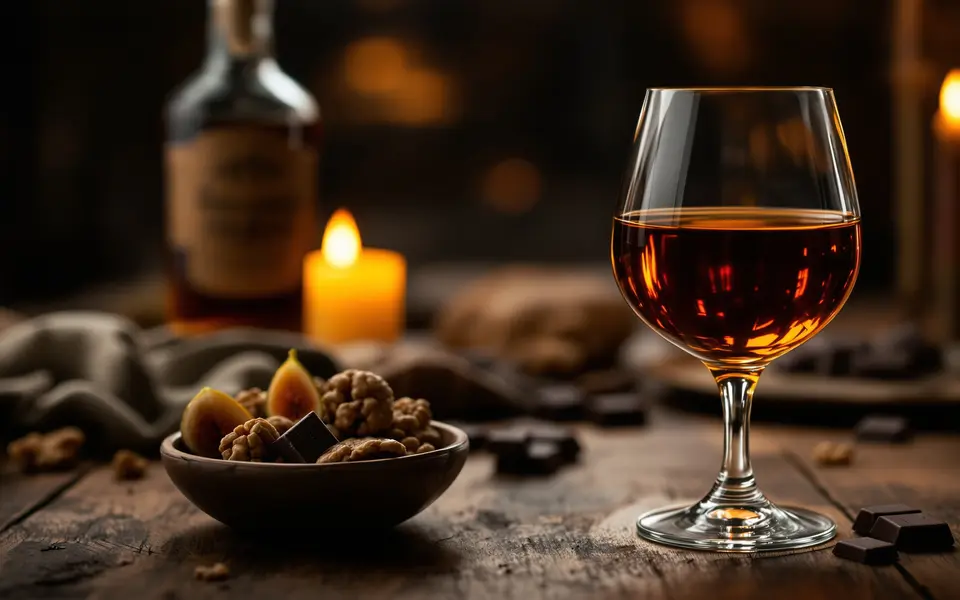
How to drink armagnac? Simply and without ceremony, but with a few small habits that make all the difference: the right armagnac glass, the right temperature and a little patience. This practical guide explains how to serve and taste armagnac to enjoy it fully, what to pair it with, and how to store armagnac, whether the bottle is open or not. This advice applies to all armagnacs, from Bas-Armagnac to Haut-Armagnac, and to most great brown spirits.
The right armagnac glass for tasting
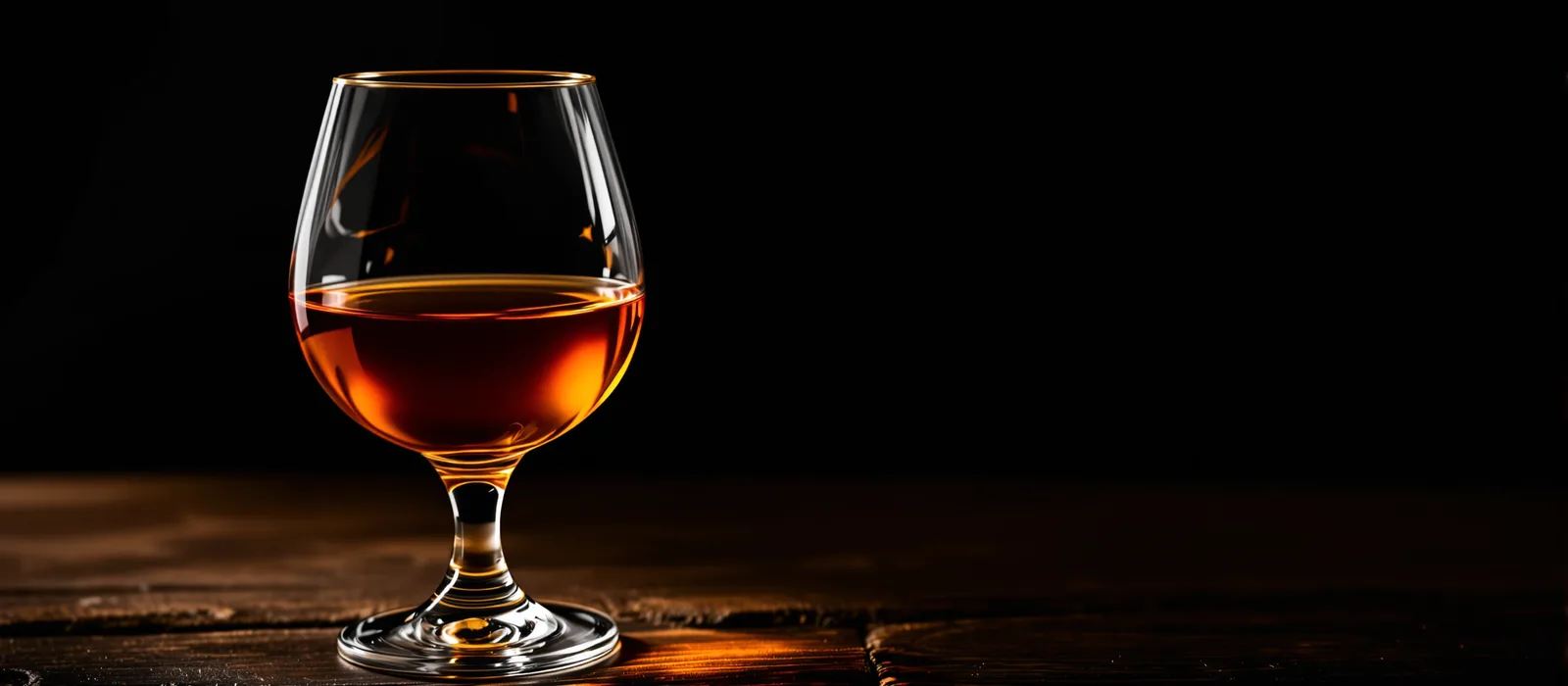
The ideal glass is a tulip glass: a stem, a bowl wide enough to let the spirit breathe, and a narrower rim that channels the aromas towards the nose. A small white wine glass works perfectly well. The choice of glass matters more than you might think: its shape determines what you will smell.
The large balloon glass, warmed in the palm of the hand, is less advisable: it disperses the bouquet and mainly brings the alcohol to the fore. For a VS served on ice or in a cocktail, a classic tumbler is fine. As a gift, the Delord 20-year-old gift box with two glasses brings together the bottle and the tasting glasses.
At what temperature should armagnac be served?
An aged armagnac is served at room temperature, around 18 to 20°C, neither warmed nor chilled. Too cold, it closes up and gives nothing away; too warm, the alcohol dominates. There is no need to warm the glass: the heat of your hand is enough to awaken the spirit as the tasting goes on.
There are two exceptions: Blanche Armagnac, which has not been aged in cask, is served well chilled, and a young armagnac can be enjoyed on ice as an aperitif.
As for quantity, 2 to 3 cl is enough: armagnac is savoured in small sips.
How to taste armagnac: eye, nose and palate
Tasting an armagnac follows three stages, just as with wine. Take your time: it is an experience for the senses more than a technique.
- The eye: tilt the glass against a white background. The colour ranges from the pale gold of a young armagnac to the mahogany of a very old one. Swirl gently: the “tears” running down the inside of the glass tell you about the richness of the spirit.
- The nose: bring the glass to your nose without swirling it. The first nose is often dominated by alcohol; let the armagnac breathe for a few minutes. The second nose reveals the aromas: dried fruit, prune, vanilla, candied citrus, flowers, spices, and the rancio of old spirits, that scent of walnut and forest floor.
- The palate: take a very small sip, hold it for a few seconds so that it coats the mouth, then swallow. Note the attack, the roundness, then the length: with a great armagnac, the finish can last several minutes.
A Gascon method, passed down in the cellars: pour a drop of armagnac on the back of your hand, rub it in, let the alcohol evaporate, then smell. Only the fragrance of the spirit remains. And the next day, the empty glass still smells of armagnac: the sign of a fine spirit.
Should you add water or ice?
For an armagnac reduced to 40 or 42% vol., it is not necessary. For a cask strength (brut de fût) armagnac, bottled at its natural strength, a few drops of room-temperature water can open up the bouquet and soften the alcohol. Ice, on the other hand, suits young armagnacs, VS and Blanche; it chills and dilutes an old armagnac, causing it to lose its complexity.
When to drink armagnac
Armagnac is traditionally a digestif, served at the end of a meal, with or after coffee. But it has other moments too:
- as an aperitif, a VS or a Blanche on ice, or as an armagnac and tonic;
- in cocktails, see our armagnac cocktails;
- at the table, with certain dishes and desserts;
- for a special occasion or a festive meal, a vintage from the year of a birth or a wedding, to share.
What to serve with armagnac
Armagnac is a more versatile companion at the table than people think:
- Coffee: served just after, it extends the roasted notes of old armagnacs;
- Dried fruit and nuts: walnuts, almonds, dried figs or apricots echo the aromas of the spirit;
- Dark chocolate: a great classic, especially with an XO or Hors d'Âge armagnac showing notes of cocoa and dried fruit;
- Foie gras: a young, fruity armagnac, or a well-chilled Blanche;
- Cheese: a blue cheese or a matured tomme, with an armagnac of character;
- Desserts: apple croustade, a fruit tart, prune desserts, vanilla ice cream with a dash of armagnac;
- Cigars: an old armagnac, powerful and woody, stands up to the aromas of tobacco.
And of course prunes in armagnac, the classic end-of-meal treat of South-West France.
How to store armagnac: keeping a bottle
Unlike wine, a bottle of armagnac is stored upright: lying down, the alcohol would eventually damage the cork. For storage, keep it away from light, at a stable temperature, away from any source of heat, and check the cork from time to time. A cellar, a cupboard or a closed drinks cabinet will do perfectly well.
A little-known fact: armagnac no longer ages in the bottle. Its age is the time it has spent in oak casks, after distillation in the armagnac still. An armagnac bottled ten years ago will not get better in your cellar, but it will not deteriorate either. For details of the age statements, see our guide VS, VSOP, XO: what the label tells you.
Does an opened bottle keep?
Yes, for several months, and even several years if it is properly resealed. In contact with air, oxidation is very slow: the armagnac may lose some of its most delicate aromas, especially when only a small amount is left in the bottle. In that case, transfer it to a smaller, tightly stoppered bottle to limit the air. A decanter looks lovely on the table, but it seals less well than a bottle: keep it for serving.
Does armagnac go off?
No. With its high alcohol content, armagnac does not go off and has no expiry date. A closed bottle, stored upright and away from light, keeps its qualities for decades. This is what makes it possible today to taste vintage armagnacs distilled more than fifty years ago.
Frequently asked questions
How should armagnac be drunk?
Neat, at room temperature, in a tulip glass, in small sips, after letting it breathe for a few minutes. VS and Blanche can also be enjoyed on ice or in cocktails.
Which glass for armagnac?
A tulip glass, or failing that a small white wine glass: its shape concentrates the aromas. Avoid the large balloon glass, which brings the alcohol to the fore.
Is armagnac drunk warm or cold?
Neither: at room temperature for an aged armagnac. Only Blanche Armagnac and VS served on ice are drunk chilled.
How long does an opened bottle of armagnac keep?
From several months to several years, if the bottle is properly resealed and stored upright, away from light. When only a small amount is left, transfer it to a smaller bottle.
Does armagnac age in the bottle?
No. It ages only in oak casks. Once bottled, it remains stable: it does not improve, but it does not deteriorate either.
To choose your next bottle, see our guide the best armagnac: how to choose it.
Alcohol abuse is dangerous for your health. Please drink responsibly.