
There is no single best armagnac for everyone, but there is almost always a best armagnac for you: the one that suits your taste, the moment you will serve it and the person you are giving it to. This guide explains how to choose armagnac, then presents our annotated selection of bottles and armagnac brands, mostly from four family houses in Gascony that we follow closely: Delord, Laubade, Millet and Bordeneuve.
How to choose armagnac: who, when and which style
Before you look at the labels, three questions are enough to narrow down the choice:
- Who is it for? A whisky or cognac lover will not expect the same bottle as someone discovering armagnac for the first time. For beginners, a young, fruity armagnac is more approachable; for a connoisseur, an old blend or a cask-strength armagnac (brut de fût) will offer more depth.
- For what occasion? As a digestif after a meal, as an aperitif over ice, in a cocktail or to mark a special date: each use calls for a different style.
- Which style? Fruity and lively, round and vanilla-rich, or powerful, spicy and oaky: the age, the grape variety and the house determine the character of the brandy.
A good bottle of armagnac is also chosen much like a wine: you look at the appellation, the house and the age, and you rely on the tasting notes. The price mainly follows age and rarity. An older armagnac is not necessarily better: it is more concentrated, more oaky, and will not appeal to everyone. Finally, it is best to buy from a wine merchant or a specialist shop that can advise you according to your taste.
Choosing by age: VS, VSOP, XO or Hors d'Âge
The age statement is the first thing to look for on the label. It indicates the minimum time the youngest brandy in the blend has spent in oak casks:
- VS or 3 Stars: a young, lively and fruity armagnac, ideal over ice or in a cocktail;
- VSOP: rounder, with the first notes of vanilla and oak;
- XO and Hors d'Âge: at least ten years in cask, with aromas of dried fruit, prune and rancio, for slow sipping;
- 20, 25 years and older: highly developed, spicy and complex blends.
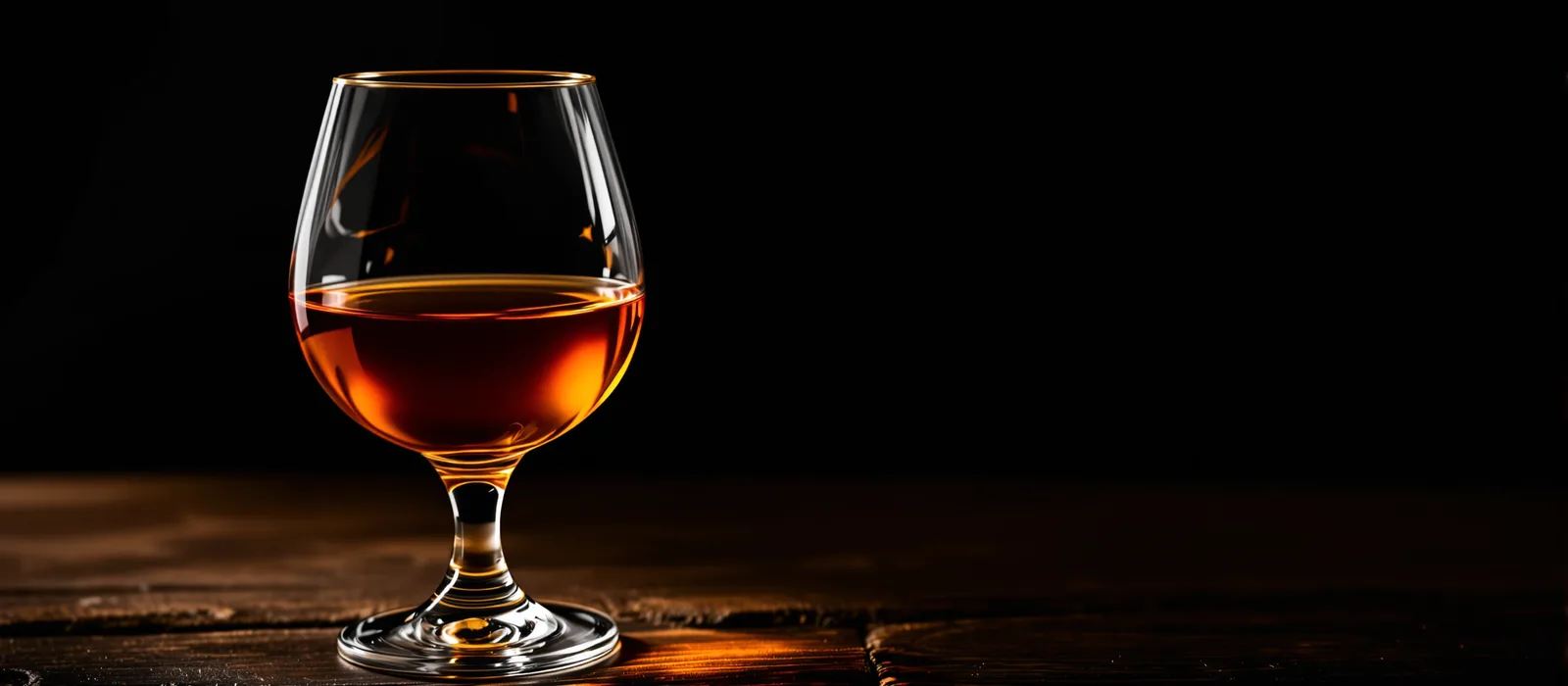
The longer it spends in cask, the more the brandy gains in colour, from pale gold to mahogany, and in aromatic richness: fresh fruit gives way to dried fruit, honey, spices and wood.
For details on each age statement, see our guide VS, VSOP, XO and Hors d'Âge.
Choosing by house and terroir
At the same age, two armagnacs can be very different. The appellation covers part of south-west France, mainly the Gers, and is divided into three regions. Terroir matters: the tawny sands of Bas-Armagnac produce fine, fruity brandies, Ténarèze more full-bodied ones, and the rarer Haut-Armagnac bottles you seldom come across (see our guide to armagnac terroirs). So does the grape variety: baco brings roundness with age, while ugni blanc and folle blanche bring finesse. But it is often the house, with its distillation in the still, the time it gives its brandies and its blending style, that makes the greatest difference. On each estate, this know-how is passed down from generation to generation.
Here are the four houses at the heart of our selection:
- Armagnac Delord, in Lannepax: a family of distillers since 1893, now in its fourth generation, making indulgent, consistent armagnacs from VSOP to 25 years old, a wide range of vintages and, since taking over the Domaine de Galaubas, organic production;
- Château de Laubade, in Sorbets: three generations of the Lesgourgues family, who distil each grape variety separately in their own armagnac still, and whose collection of vintages is one of the most renowned in Bas-Armagnac;
- Château de Millet, near Eauze: an estate handed down over five generations, on the tawny sands of Bas-Armagnac, producing expressive brandies with lovely roundness;
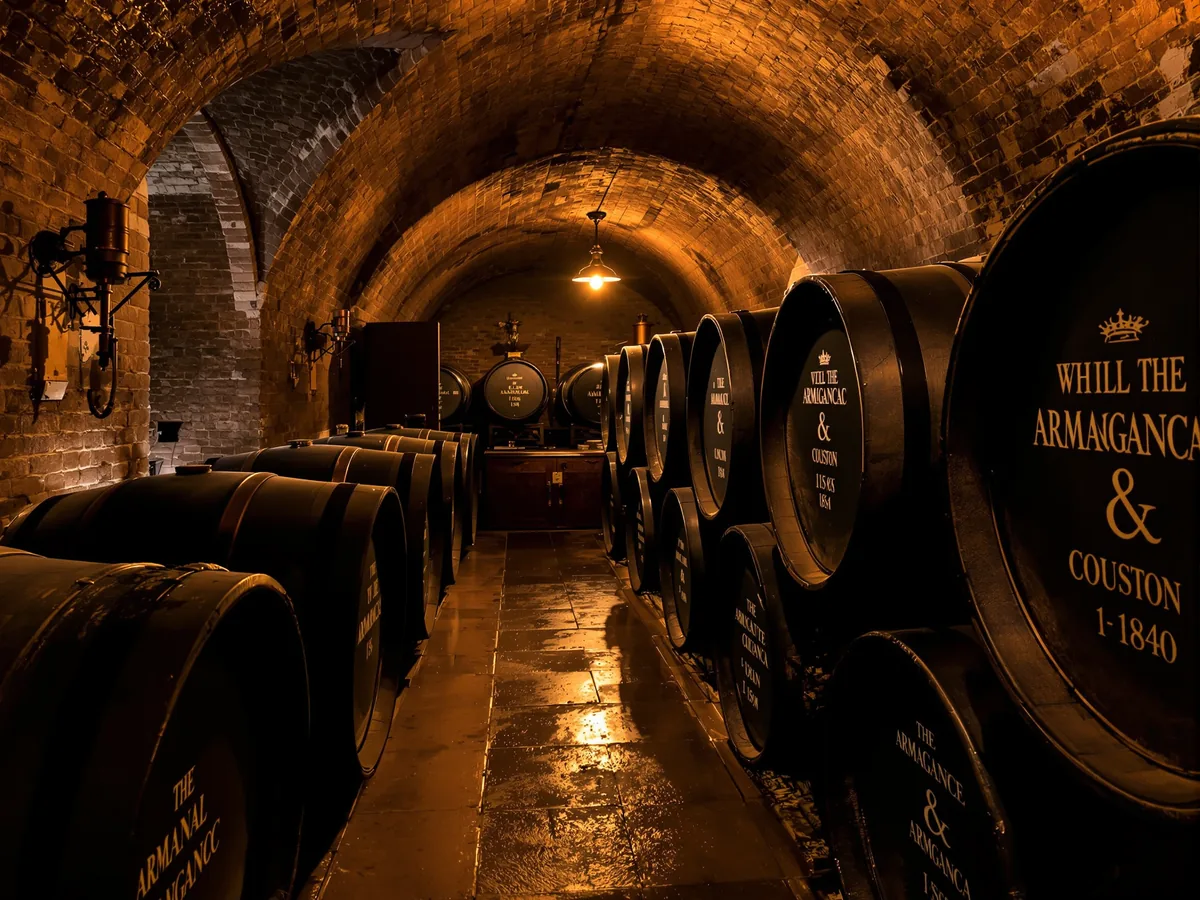
- Château de Bordeneuve: an old cellar dating from 1840 with a beaten-earth floor, French oak casks, and a collection of cask-strength vintages.
The best armagnac brands in our cellar
Armagnac remains a world of family estates rather than big brands. Beyond our four core houses, other names are well worth discovering, each with its own style:
- Dartigalongue, in Nogaro, known for its long series of vintages, its single casks and its unaged blanche;
- Castarède, in Mauléon-d'Armagnac, and its cask-strength bottlings of pure folle blanche;
- Domaine de Laballe, on the Landes side of Bas-Armagnac, a short range designed for sipping as well as for cocktails;
- Sempé and Clés des Ducs, for classic blends and vintages.
So there is no single best armagnac brand, but rather houses whose style will appeal to you more or less: indulgent at Delord, elegant and structured at Laubade, expressive at Millet, fruity at Bordeneuve.
Our selection for discovering armagnac
For a first bottle, or to serve guests who do not know armagnac, choose a VS or a VSOP: they are fruity, lightly oaked, and work just as well neat as over ice.
- Château de Bordeneuve VS: a fresh ugni blanc with notes of quince and fresh plum, supple, with lovely freshness. The easiest way to start.
- Delord VSOP: vanilla and pleasant oak, to enjoy neat or over ice.
- Millet VSOP: vanilla and toasted bread on the nose, a frank, rich palate and a finish of baked pear.
- Château de Bordeneuve VSOP: flowers and plum, a smooth, vanilla-rich palate and a fruity finish.
The full range can be found in our VSOP armagnacs.
Our selection of XO and Hors d'Âge armagnacs
This is the category that best answers the question of the best armagnac for an enthusiast: enough ageing for complexity, without the price of the very old expressions.
- Delord Hors d'Âge: a blend of at least ten years, with vanilla, walnut, toasty notes and rancio, a mellow attack and a round finish. Our best balance between age and accessibility.
- Millet Hors d'Âge: the estate's finest brandies, aged at length in cask, with dried fruit, cooked prune and toasted hazelnut.
- Laubade Intemporel 12 Years Old: Laubade's great classic, a blend dominated by baco. A powerful nose of oak, prune, orange blossom and spices; an ample, structured palate of great elegance.
- Château de Bordeneuve Hors d'Âge: half ugni blanc, half baco, with exotic fruit and candied orange, and a long finish of raisins and hazelnut.
To compare with another house, Castarède XO offers candied fruit and citrus peel. The full selection is in our XO and Hors d'Âge armagnacs.
The great ages: 20 and 25 years old
Beyond twenty years in cask, armagnac gains spice, cocoa and rancio, the walnut and forest-floor character that connoisseurs look for. These are bottles for slow sipping, to be served at the end of a meal, at room temperature, in a tulip glass that concentrates the aromas.
- Delord 20 Years Old: one of the most popular bottles in our cellar. An elegant nose of vanilla, brioche and almond, and a pastry-like palate of cinnamon and dried apricot.
- Delord 25 Years Old: more peppery and spicy on the nose, followed by vanilla, cocoa and rancio on well-integrated tannins.
Discover all our 20-year-old armagnacs and our 25-year-old armagnacs.
Cask strength and blanche: for the curious
Two distinctive styles, often left out of rankings, deserve a place in any good cellar.
Cask-strength armagnac is bottled at its natural strength, without being reduced with water: more powerful and more intense, it is enjoyed in small sips, perhaps with a drop of water. At Delord, the 2012 harvest at cask strength is a pure baco drawn from a single cask. Château de Bordeneuve offers a whole collection of cask-strength vintages. See our cask-strength armagnacs.
Blanche Armagnac is not aged in cask: it keeps the fruit of the grape. The Château de Bordeneuve blanche is crystal-clear and gentle, while the one from Delord, pure colombard, offers fresh grape, citrus and pear. Perfect well chilled or in a cocktail.
A vintage for a year that matters
A vintage armagnac comes from a single harvest, stated on the label. It is the ideal gift for a birth, a birthday, a wedding or a retirement: you give the year of the event. It is not necessarily older than an Hors d'Âge, but it is a unique bottle that tells the story of one specific harvest.
Our four core houses offer long series of vintages:
- Laubade, whose collection of vintages has made the estate's reputation;
- Delord, with a very wide choice of years, in bottle and in magnum;
- Millet, which also offers certain vintages in magnum and in pot gascon;
- Bordeneuve, whose vintages are bottled at cask strength.
To find your year, browse our vintage armagnacs.
The best armagnacs to give as gifts
For a gift, presentation matters as much as what is inside. A few ideas:
- the Delord 20 Years Old gift box with two glasses, ready to share for two;
- the Delord 20 Years Old in magnum, for large gatherings;
- the Delord Hors d'Âge in a 250 cl pot gascon, in a wooden case, for a spectacular gift;
- a vintage from the year of birth, from Laubade, Delord, Millet or Bordeneuve.
All our ideas are gathered in our armagnac gift boxes and decanters.
Frequently asked questions
What is the best armagnac?
There is no official ranking. The best armagnac is the one that suits your taste and the occasion. For an enthusiast, a good Hors d'Âge such as Delord Hors d'Âge, Millet Hors d'Âge or Laubade Intemporel 12 Years Old is an excellent starting point; for a connoisseur, a 20-year-old, a cask-strength armagnac or a vintage.
Which armagnac should I choose as a beginner?
A VS or a VSOP, fruity and lightly oaked, such as Château de Bordeneuve VS or Millet VSOP. Serve it neat, slightly cool, or over ice.
Which armagnac offers the best value for money?
Hors d'Âge and XO armagnacs often offer the best balance: at least ten years in cask, real complexity, without the price of the very old expressions. Delord Hors d'Âge and Château de Bordeneuve Hors d'Âge are good examples.
Which armagnac should I give as a gift?
A vintage from the year of birth or of a memorable event, or an old blend in a gift box, such as the 20 Years Old gift box with two glasses from the Lannepax house.
What are the best armagnac brands?
Among the recognised houses, the names most often mentioned include Delord, Château de Laubade, Château de Millet, Château de Bordeneuve, Dartigalongue, Castarède and Domaine de Laballe. Most of them are family estates in Gascony, each with its own style.
Where can I buy a good armagnac?
To buy an armagnac, the safest option is a specialist wine merchant or an online shop that selects its bottles directly from the producers. Our cellar brings together the armagnacs from the houses mentioned in this guide, with tasting notes, age and availability for each bottle, shipped from France in protective packaging.
Is a vintage armagnac better than an Hors d'Âge?
Not necessarily. A vintage comes from a single harvest and keeps its character; an Hors d'Âge blends several brandies for a more consistent style. They are two different approaches, not a hierarchy.
To go further, find out how armagnac is made or browse our full armagnac cellar.
Alcohol abuse is dangerous for your health. Please drink responsibly.