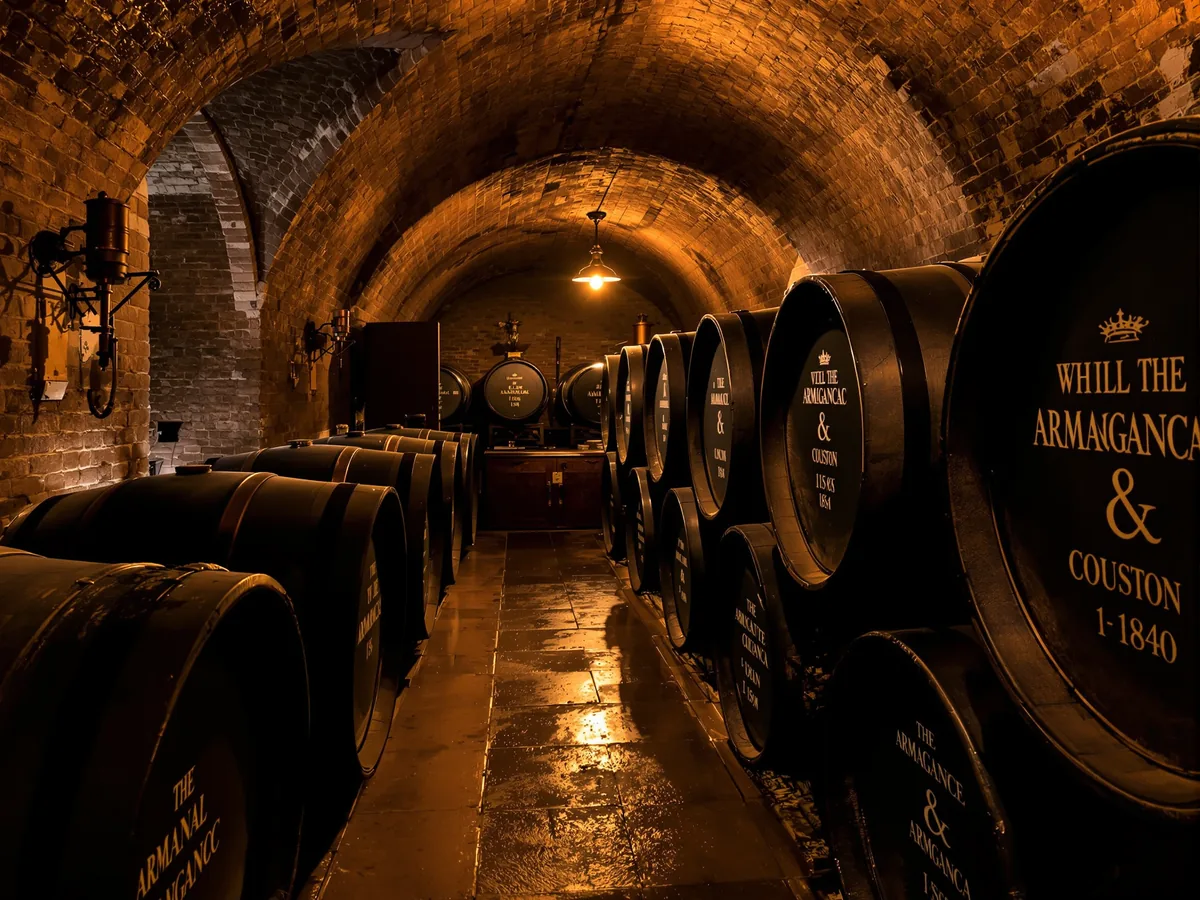

Grandmother's Prunes in Armagnac Recipe
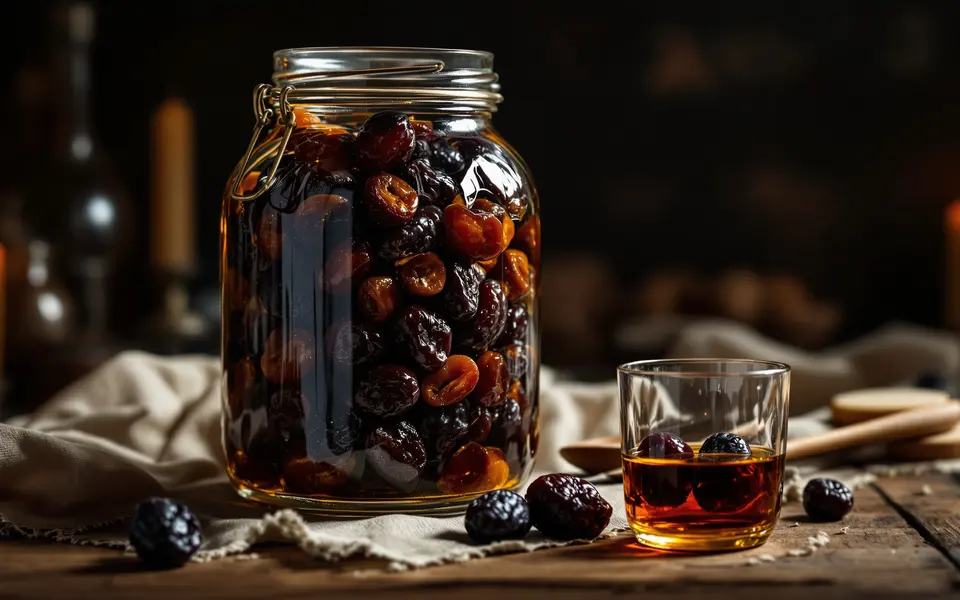
Prunes in armagnac are the classic end-of-meal treat of South-West France and all of Gascony. In every family, the recipe is handed down from grandmother to grandchildren, with few ingredients and a great deal of patience: Agen prunes, a light syrup, a young armagnac, then a few weeks of waiting in a jar. Here is our best prunes in armagnac recipe, and the most traditional: a simple preparation, explained step by step, along with our advice on choosing the armagnac.
Ingredients for the recipe
For a jar of about one litre:
- 500 g Agen prunes, stoned or unstoned;
- 1 black tea bag, or one teaspoon of loose-leaf tea, and 500 ml water for brewing;
- 150 g caster sugar;
- 200 ml water for the syrup;
- 500 ml young armagnac, VS or Blanche Armagnac;
- optional: the zest of an unwaxed orange, half a split vanilla pod or a cinnamon stick.
The Agen prune (pruneau d'Agen), a dried ente plum, has been protected by a geographical indication since 2002. With the stone in, it keeps its shape better during steeping; stoned, it is easier to eat.
Which armagnac to choose for prunes in armagnac
There is no need for an old armagnac: its aromas of wood and rancio would be lost in the syrup. Choose a young, fruity armagnac, which will add fragrance without overpowering the fruit.
- A VS, aged two to four years in cask, for rounded, lightly vanilla-scented prunes: the Château de Millet VS or the Château de Bordeneuve VS, with notes of quince and plum.
- A Blanche Armagnac, unaged, for a fresher, fruitier steep: the Delord Blanche, with notes of fresh grape and pear.
See all our VS armagnacs.
The prunes in armagnac recipe, step by step
- Brew the tea in 500 ml of simmering water for five minutes, then remove it.
- Rehydrate the prunes: drop them into the hot tea and leave them to plump up for a few hours, or overnight if they are very hard. The tea gives them a slightly tannic note, as in the recipes of many Gascon houses.
- Make the syrup: in a saucepan over a low heat, dissolve the sugar in 200 ml of water with the zest, vanilla or cinnamon if you wish, then bring to the boil. Remove from the heat and leave to cool completely.
- Drain the prunes and place them in a clean glass jar that has been scalded with boiling water, without packing them down.
- Mix the cold syrup with the armagnac, then pour over the prunes: they must be completely covered.
- Seal the jar and store it in a cool, dry place, away from light.
The syrup must be cold when you mix it in: if hot, it would cause some of the armagnac's alcohol and aromas to evaporate.
How long to leave them to steep
This is where patience counts. The prunes are good after one month of steeping, but they become truly soft and fragrant after two to three months. Gently turn the jar over from time to time during the first few weeks to mix the syrup well. If the level drops, add a little armagnac so that the fruit stays covered.
For Christmas, then, prepare your prunes at the start of autumn.
Our ideas for variations
- With honey: replace part of the sugar with a mild honey, such as acacia or wildflower, for a rounder version.
- With walnuts: tuck a few walnut halves between the fruit; they too will take on the flavour of the brandy.
- With spices: a star anise or two cloves for a festive version.
- With smoked tea: a smoked black tea adds a woody note reminiscent of the cask.
Everyone can make their own choice: what matters is that each prune stays well covered with liqueur.
Storing prunes in armagnac
Well covered with their liqueur in a sealed jar, prunes in armagnac will keep for several months, and often much longer: the alcohol preserves them. Once opened, keep them somewhere cool and make sure the fruit always stays submerged. Use a clean spoon to serve them: it is the best way to keep the rest in good condition.
How to serve prunes in armagnac
- At the end of a meal: each prune is enjoyed with a little of its liqueur: one or two in a small glass, as an indulgent digestif, or with coffee.
- As a dessert: over vanilla ice cream drizzled with their juice, with a square of dark chocolate, with an apple tart or a Gascon croustade.
- In cooking: with foie gras, in pork tenderloin with prunes, with duck breast (magret), or to deglaze the sauce of a slow-cooked dish.
And the liqueur left at the bottom of the jar can be enjoyed in a small glass, well chilled.
No time to wait?
To buy ready-made prunes in armagnac, put your trust in the houses that prepare them themselves, following their family recipe, for the pleasure of giving them as a gift or serving them straight away:
- Dartigalongue prunes in armagnac, made with black tea brewed in-house and a sugar syrup, a recipe unchanged for generations;
- Delord Agen prunes in armagnac, steeped according to a family recipe;
- the large jar from Château de Bordeneuve, to set in the centre of the table.
The whole selection is gathered in our prunes and chestnuts in armagnac range.
Frequently asked questions
Which armagnac should I use to make prunes in armagnac?
A young, fruity armagnac: a VS or a Blanche Armagnac. An old armagnac would be wasted, as its wood aromas would be lost in the syrup.
How long should prunes be left to steep in armagnac?
At least one month, ideally two to three months, in a cool, dark place, for soft, well-flavoured prunes.
Should prunes be rehydrated before putting them in armagnac?
It is recommended, especially if they are hard: a few hours in hot black tea plumps them up and stops them from absorbing all the armagnac.
How long do prunes in armagnac keep?
Several months, and often longer, as long as they stay covered with their liqueur in a sealed jar. Once opened, keep the jar somewhere cool.
Do prunes in armagnac contain alcohol?
Yes, they are steeped in it: they should not be given to children or pregnant women.
Alcohol abuse is dangerous for your health; please drink in moderation.